
Toyota plans to keep their diesel powertrains in the market in these days of electrification. Here’s more.
Also read about the Citroën Aircross X Max Turbo 5S & C3 Live (O).
Toyota diesel powertrains:
Toyota Kirloskar Motor’s India story is quietly entering a fascinating new phase—one where diesel refuses to bow out gracefully, hybrids gather momentum, and long-standing favourites make way for a reshaped future that balances regulations, customer loyalty, and evolving technology.
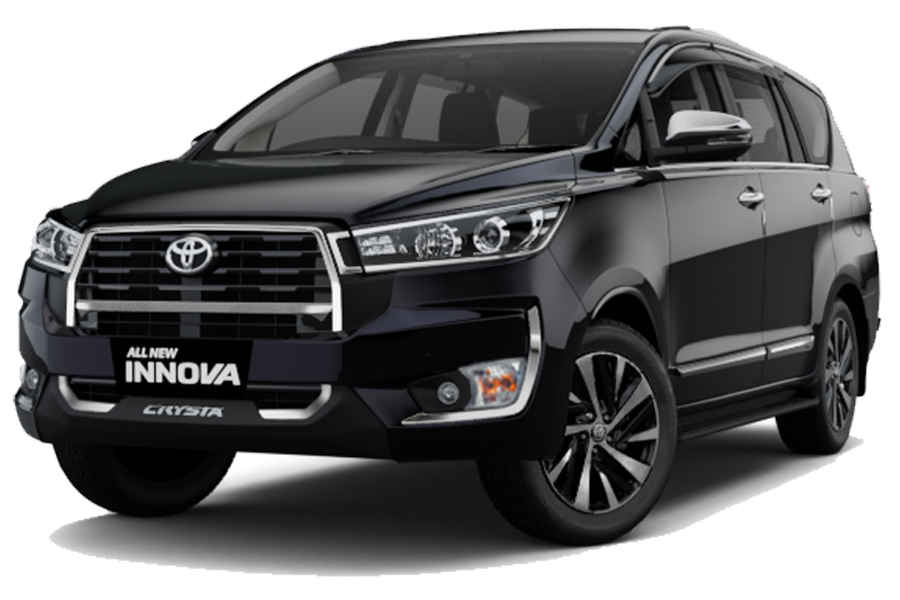
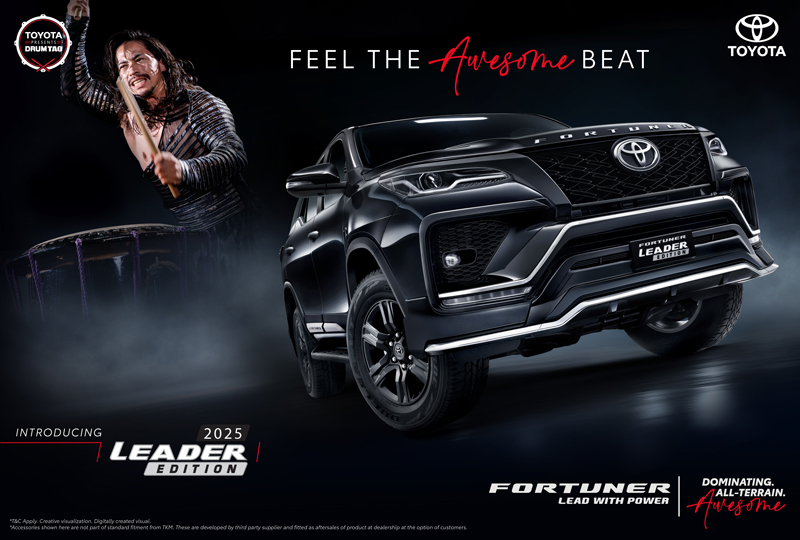
For years now, Toyota’s partnership with Maruti Suzuki has helped the brand reduce its dependence on diesel engines, especially in mass-market segments. Yet, despite tighter emission norms and shifting fuel trends, diesel continues to command almost cult-like loyalty in specific categories. Toyota knows this well. Models like the Innova Crysta and Fortuner owe much of their enduring success to their strong, reliable diesel motors. As Sabari Manohar, Group Head – Customer Service Group at Toyota Kirloskar Motor, puts it plainly: diesel still has hardcore fans, and some segments are simply “pure diesel” at heart.
That said, the landscape is changing. Regional regulations, usage restrictions, and upcoming fuel efficiency norms mean diesel demand is no longer uniform across the country. Still, it is strong enough for Toyota to keep diesel alive—at least for now. The bigger challenge looms in the form of CAFE 3 norms, which will kick in from April 2027 and put significant pressure on manufacturers to improve fleet-level efficiency. For Toyota, this means slimming down its diesel portfolio rather than abandoning it altogether.
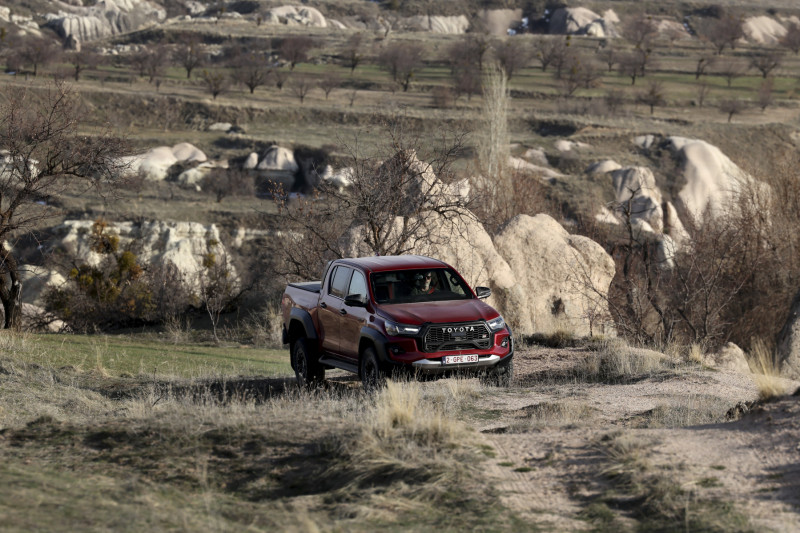
One of the biggest surprises in this transition is the future of the Innova Crysta. Despite generating healthy volumes nearly a decade after its launch, Toyota is expected to discontinue the Crysta by early next year as part of a broader portfolio realignment. This marks the end of an era for one of India’s most trusted MPVs. However, diesel loyalists need not worry entirely—Toyota has no plans to drop diesel from its global icons like the Fortuner and the Hilux.
Both these models rely on Toyota’s proven 1GD-FTV 2.8-litre turbo-diesel engine, known for its torque-rich performance and long-term durability. Toyota is likely to upgrade this engine to meet upcoming BS7 emission norms expected later this decade. The company has already shown its confidence in this motor by carrying it over from the eighth-generation Hilux to the ninth-generation model launched late last year. A similar approach is expected for the next-generation Fortuner, which could arrive in India around 2027.
However, there is a clear shift in strategy when it comes to locally manufactured models. Toyota is unlikely to offer diesel engines in future mass-market, locally built vehicles. Instead, the brand is leaning heavily toward petrol and electrified powertrains, especially hybrids. This becomes even more evident when we look at Toyota’s upcoming launches.
In 2028, Toyota plans to introduce the Land Cruiser FJ in India—a new C-segment, body-on-frame SUV that sits below the iconic Land Cruiser range. While the Fortuner is assembled in India from CKD kits, the Land Cruiser FJ will be manufactured locally, signalling Toyota’s confidence in the product. Expected to be priced around ₹30 lakh (ex-showroom), it will still sit at a premium compared to rivals like the Mahindra Scorpio-N.
Interestingly, despite being a perfect candidate for a diesel engine like the 1GD-FTV, the Land Cruiser FJ will be offered only with petrol and petrol-based electrified options. Toyota is planning not just a full-hybrid version but also a plug-in hybrid variant, underlining its long-term focus on electrification rather than diesel expansion.
In short, Toyota isn’t killing diesel—it’s carefully choosing where it still makes sense. Iconic, high-demand models will retain diesel power, while future-ready products will push hybrids and cleaner technologies. It’s a calculated balance between respecting loyal customers and preparing for a stricter, greener automotive future.
Visit the official Toyota India website.
Basic Comparison: Toyota vs Key Rivals in Diesel-Heavy Segments
| Model | Powertrain Options | Body Type | Expected Price Range (₹ ex-showroom) | Key Strength |
|---|---|---|---|---|
| Toyota Fortuner | Diesel, Petrol | Body-on-frame SUV | 33–51 lakh | Reliability, resale value |
| Toyota Hilux | Diesel only | Pickup Truck | 30–37 lakh | Toughness, off-road ability |
| Toyota Land Cruiser FJ (upcoming) | Petrol, Hybrid, PHEV | Body-on-frame SUV | ~30 lakh | Brand value, hybrid tech |
| Mahindra Scorpio-N | Diesel, Petrol | Body-on-frame SUV | 13–25 lakh | Value for money |
| MG Gloster | Diesel | Body-on-frame SUV | 38–43 lakh | Features, size |
| Isuzu MU-X | Diesel | Body-on-frame SUV | 37–40 lakh | Engine durability |
Toyota’s path ahead is clear: diesel stays where it’s loved, hybrids lead where the future demands it, and the brand continues to play the long game—quietly, confidently, and with its eyes firmly on the next decade.
Stay tuned and follow up for more.
