
After the India-EU FTA, European cars are about to get price cuts. Here’s what we know so far.
Also read about the upcoming BMW X3 30 XDrive M Sport Pro.
European cars at lower prices, India–EU Trade Deal Could Dramatically Lower Luxury Car Prices
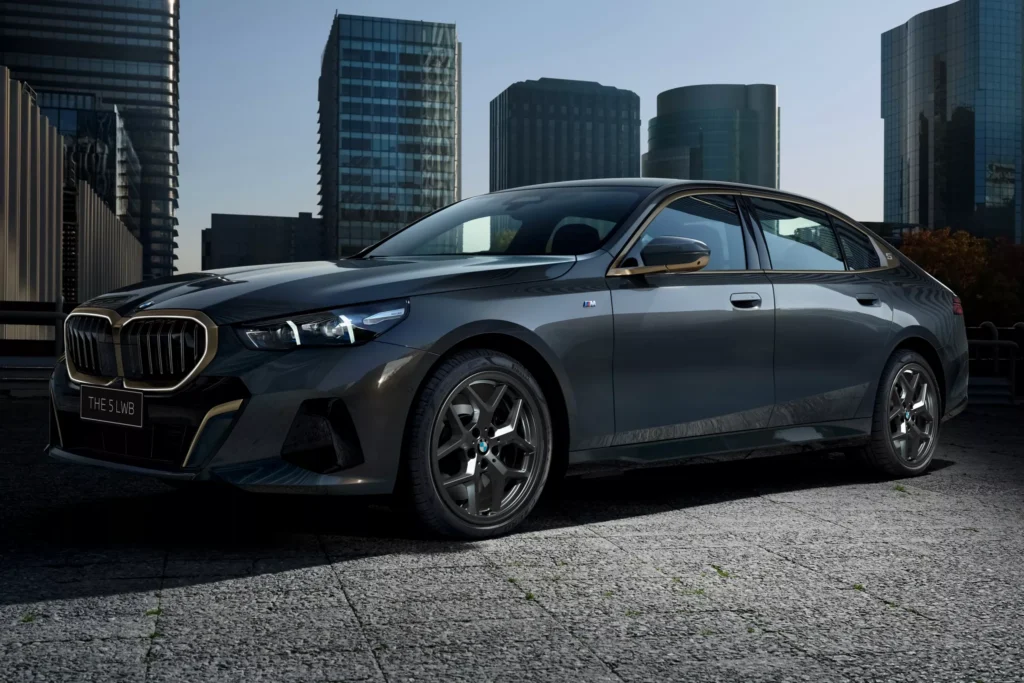
India’s newly finalised Free Trade Agreement with the European Union is set to bring a major shift to the luxury car market, and buyers have every reason to be excited. One of the most significant outcomes of the deal is the steep reduction in import duties on fully built European cars—a change that could transform how premium vehicles are priced in India.
Until now, importing a luxury car into India meant facing an enormous tax burden. Fully built European vehicles were subject to customs duties as high as 110 per cent. Once GST and cess were added, the final on-road price often exceeded twice the car’s original value. This pricing structure has long been the biggest barrier keeping high-end brands out of reach for many buyers.
Because of these heavy taxes, globally renowned names such as Porsche, Land Rover, Mercedes-Maybach and Rolls-Royce have consistently been priced far higher in India than in international markets. The cars themselves were never the problem—the taxation was.
That equation is now set to change in a big way.
Visit the official BMW India website.
Under the new India–EU trade framework, import duties on fully built European cars are expected to fall sharply to around 10 per cent, within a defined import quota. While GST and cess will continue to apply, the biggest cost component in the pricing stack has been drastically reduced.
Earlier, luxury car prices were calculated as:
Base Price + 110% import duty + around 40% GST and cess.
With the new structure, the formula becomes:
Base Price + 10% import duty + around 40% GST and cess.
This single adjustment removes a massive chunk of taxation from the final price.
When the numbers are worked out, the impact is striking. Luxury cars that were previously inflated by extreme duties could now see their prices drop by nearly half. This brings Indian pricing much closer to global levels and makes luxury car ownership far more realistic than before.
The benefits go beyond just lower prices. Reduced duties give manufacturers the confidence to introduce more models, better variants and limited-run performance cars without the fear of poor demand due to pricing. Brands can test the market with controlled imports while planning long-term strategies more effectively.
This shift could significantly reshape India’s premium and luxury car space. Despite being one of the world’s largest passenger vehicle markets, India’s luxury segment has remained relatively small due to high costs. With more accessible pricing, demand is expected to rise, encouraging brands to expand their presence.
It’s also important to note that local manufacturing will continue to enjoy tax advantages. Vehicles assembled in India will remain competitively priced, ensuring that brands still have strong incentives to invest in local production. The trade deal simply levels the playing field for imported cars rather than replacing domestic manufacturing.
For buyers, this change promises more choice, better value and increased competition among premium brands. From performance sports cars to ultra-luxury sedans and SUVs, European manufacturers now have a clearer path into the Indian market.
If implemented as expected, the agreement could permanently change how luxury cars are perceived in India—not as overpriced indulgences driven by taxation, but as globally competitive products that reflect their true value.
Stay tuned and follow up for more.
