
Here’s all the essential info on the cars competing against the upcoming Renault Duster.
Also read about the VW Tayron.
New Renault Duster Rivals: Power Takes the Front Seat
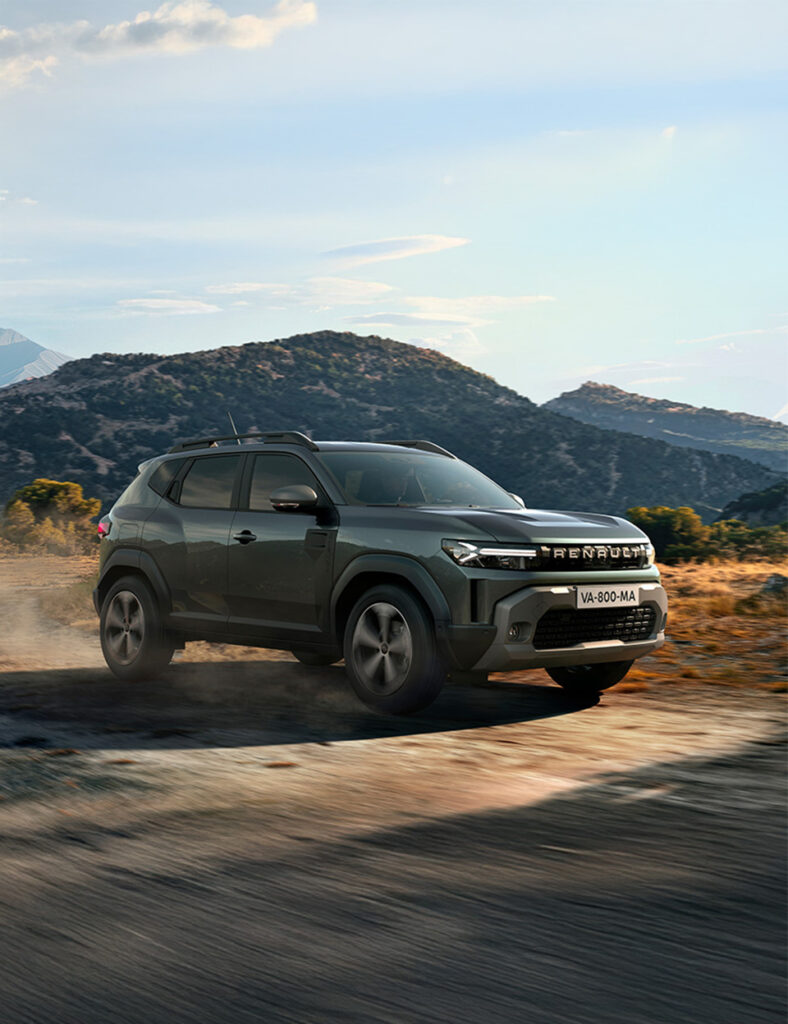
The mid-size SUV space in India has just received a serious shake-up. After years of anticipation, Renault has finally unveiled the all-new Duster, and this time, it’s not playing safe. Instead of chasing screens and gimmicks, the new Duster makes a bold statement by putting performance and practicality right at the centre of the conversation.
At the heart of this comeback is a 1.3-litre turbo petrol engine, which instantly sets the Duster apart from its rivals. Producing a massive 163 hp and 280 Nm of torque, the new Duster becomes the most powerful petrol SUV in the mid-size segment. This isn’t just a small advantage—it’s a clear lead.
What makes it even more interesting is Renault’s decision to offer this powerful engine with a 6-speed manual gearbox, something none of its direct rivals currently do. While competitors like the Hyundai Creta, Kia Seltos, Skoda Kushaq and Volkswagen Taigun restrict their top petrol engines to automatic transmissions, the Duster caters directly to driving enthusiasts who still enjoy full control behind the wheel.
Torque is another area where the Duster clearly flexes its muscles. With 280 Nm, it comfortably outperforms all its rivals, which hover around the 250–253 Nm mark. This extra pulling power should translate into stronger acceleration, better highway performance and effortless overtaking—exactly what many SUV buyers want. Beyond performance, the Duster also makes its presence felt through its rugged proportions. It stands as the tallest SUV in this comparison, giving it a commanding road presence. While it may be slightly shorter in length compared to the Kia Seltos, it compensates with a more upright stance that reinforces its SUV identity.
In terms of practicality, the Duster clearly leans toward adventure and usability. It boasts the largest boot space at 518 litres, making it ideal for long trips and family travel. Add to that a best-in-class ground clearance of 212 mm, and the Duster positions itself as the most capable option when roads get rough or unpredictable.
While the Kia Seltos remains the longest and widest SUV in the segment, and the Kushaq and Taigun focus on compact dimensions with strong wheelbase efficiency, the Duster strikes a balance by offering size, space and robustness without feeling oversized. Pricing will be the final piece of the puzzle. While Renault is yet to officially announce prices, expectations place the Duster’s turbo petrol variant around ₹15 lakh (ex-showroom). If this estimate holds true, it would undercut some rivals while offering significantly more power. In comparison, the Hyundai Creta’s turbo petrol engine is only available in fully loaded variants, making it one of the most expensive options in the segment.
The Kia Seltos currently holds the title of being the most accessible entry point into the turbo petrol space, with a wide price range that appeals to different budgets. The Skoda Kushaq facelift’s pricing is still awaited, while the Volkswagen Taigun sits firmly in the premium bracket.
On paper, the new Renault Duster feels like a breath of fresh air. It focuses on strong engines, solid dimensions and real-world usability, rather than overwhelming buyers with tech-first marketing. If Renault manages to price it competitively when prices are announced in March 2026, the Duster could easily become the go-to choice for buyers who value performance and toughness over flashy features.
Also visit the official Renault India website.
New Renault Duster against the competition:
| Specification | Renault Duster (2026) | Hyundai Creta | Kia Seltos | Maruti Suzuki Victoris | Tata Sierra |
|---|---|---|---|---|---|
| Segment | Mid-size SUV | Mid-size SUV | Mid-size SUV | Mid-size SUV | Mid-size SUV |
| Expected Price (₹ lakh, ex-showroom) | ~10–19 L (top hybrid ~20-22 L) est. | 10.8–20.2 L | 10.99–20.19 L | ~11–18 L est. | 11.49–21.29 L |
| Engine Options | 1.0 L Turbo-petrol1.3 L Turbo-petrol1.8 L Strong Hybrid | 1.5 L NA petrol1.5 L Turbo-petrol1.5 L Diesel | 1.5 L NA petrol1.5 L Turbo-petrol1.5 L Diesel | 1.5 L NA petrol1.5 L Strong HybridCNG option | 1.5 L NA petrol1.5 L Turbo petrol1.5 L Diesel |
| Power Output (approx) | 100–160 PS petrol~160 PS hybrid | 115 PS / 160 PS / 116 PS | 115 PS / 160 PS / 116 PS | ~103 PS petrol / ~92 PS hybrid | ~106 PS / ~118 PS / ~106 PS |
| Torque (approx) | 160–280 Nm / hybrid ~172 Nm | 144–253 Nm / 250 Nm diesel | 144–253 Nm / 250 Nm diesel | ~139 Nm / ~122 Nm hybrid / CNG | ~145–280 Nm |
| Transmission Options | 6-MT / DCT / Hybrid auto | 6-MT / CVT / 7-DCT / AT | MT / IVT / DCT / AT | MT / AT / e-CVT (hybrid) | MT / DCT / AT |
| Fuel / Efficiency (ARAI / est) | Turbo petrol ~16–18 km/lHybrid ~20-24 km/l est. | ~16–18 km/l | ~16–18 km/l | Petrol ~17-19 km/lHybrid better | ~16–18 km/l |
| Drive Type | FWD; AWD may be offered rumoured | FWD | FWD | FWD; AWD not common | FWD; AWD optional |
| Ground Clearance | ~212 mm | ~190 mm | ~200 mm | ~210 mm | ~205 mm |
| Boot Space (L) | ~518 L | ~433 L | ~447 L | ~439 L | ~622 L* (measured to roof) |
| Key Features | Panoramic sunroofDual screensAmbient lightingADAS (expected) | Panoramic sunroofConnected techADAS | Big displayConnected featuresSunroof | ADAS Level-2Powered tailgateDolby sound | Large cabinFeature richPremium interior |
| Safety Highlights | Likely 6 airbags + ADAS | 6 airbags + ADAS | 6 airbags + ADAS | 5★ crash aim + ADAS | 5★ safety (top) |
Stay tuned and follow up for more.
