
Here is a detailed info on the top EV 2W brands of FY2026 and their comparison.
Also read about the recently launched VW Taigun facelift.
India Electric Two-Wheeler Sales FY2026:
India’s electric two-wheeler segment witnessed a remarkable transformation in FY2026, marking a strong shift in consumer mindset as buyers steadily transitioned from conventional petrol-powered scooters and motorcycles to cleaner, smarter electric alternatives. With total retail sales climbing to 14,01,818 units from 11,50,790 units in FY2025, the segment recorded an impressive 21.8 per cent growth, reflecting rising awareness, improved infrastructure, and expanding product portfolios across price segments. Even more telling was the gradual increase in EV penetration from 6.1 per cent to 6.5 per cent, indicating that electric mobility is no longer a niche category but steadily entering the mainstream. This growth has been fueled by better battery technology, competitive pricing, and aggressive expansion strategies by leading manufacturers, all of which have made EV ownership more practical and appealing for urban and semi-urban users alike.
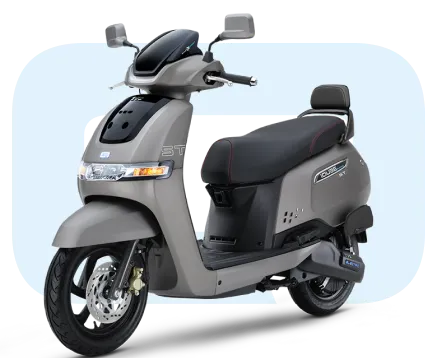
At the forefront of this growth story stood TVS Motor Company, which emerged as the undisputed leader in the electric two-wheeler market. Its strong performance was driven by the success of the iQube lineup and strategic network expansion, enabling it to reach a broader customer base. The company registered sales of 3,41,513 units, reflecting a robust 43.5 per cent year-on-year growth. Close behind was Bajaj Auto, which secured the second position with 2,89,349 units, growing steadily at 25.1 per cent. Bajaj’s consistent performance can largely be attributed to the popularity and continuous evolution of its Chetak electric scooter. Meanwhile, Ather Energy emerged as one of the fastest-growing established players, posting an impressive 82.3 per cent growth to reach 2,39,178 units, showcasing strong customer trust in its performance-oriented offerings. In contrast, Ola Electric experienced a dramatic decline, with sales dropping by 52.2 per cent to 1,64,295 units, highlighting challenges in sustaining momentum amid increasing competition and evolving customer expectations.
Visit the official TVS India website.
Interestingly, Hero MotoCorp delivered one of the most striking turnarounds in the segment, with sales surging by a massive 196.1 per cent to 1,44,330 units, thanks to the growing acceptance of its Vida sub-brand and competitively positioned VX2 series. Other players such as Greaves Electric Mobility, BGauss Auto, and River Mobility also recorded healthy growth, reflecting the increasing diversity and competitiveness of the market. River Mobility, in particular, stood out with an astonishing 426.3 per cent growth, albeit from a smaller base, indicating strong demand for its Indie scooter. Smaller yet promising contributors like Kinetic Green, Revolt Intellicorp, and Simple Energy further enriched the ecosystem, ensuring that buyers now have a wide range of options catering to different needs and budgets. Overall, FY2026 has firmly established that India’s electric two-wheeler segment is evolving rapidly, with both legacy manufacturers and new-age startups pushing boundaries and reshaping the future of mobility.
Key Features Driving the EV Two-Wheeler Segment:
- Rapid expansion of charging infrastructure across urban and semi-urban areas
- Improved battery efficiency and longer real-world range
- Competitive pricing strategies making EVs accessible to wider audiences
- Lower running and maintenance costs compared to petrol counterparts
- Government incentives and subsidies encouraging EV adoption
- Growing product diversity across premium, mid-range, and budget segments
Comparison with Competition in the Segment:
- TVS Motor Company vs Rivals
- Strong dealership network gives it a clear edge in reach and service
- Balanced approach between pricing, performance, and reliability
- More stable growth compared to volatile players like Ola Electric
- Bajaj Auto vs Ather Energy
- Bajaj focuses on steady, consistent growth with proven models
- Ather offers more tech-heavy and performance-oriented scooters
- Ather leads in innovation, while Bajaj leads in brand trust and scalability
- Ola Electric vs Market Leaders
- Once dominant in volumes but now struggling with consistency
- Faces increasing competition from better-established service networks
- Needs to rebuild customer confidence to regain its position
- Hero MotoCorp vs Emerging Brands
- Massive growth driven by aggressive expansion and pricing
- Competes strongly in the affordable EV segment
- Benefits from brand legacy and widespread rural reach
- Emerging Players (Greaves, BGauss, River Mobility)
- Focus on niche segments and differentiated designs
- Faster percentage growth but from smaller sales bases
- Increasingly becoming strong alternatives for budget-conscious buyers
- Startups vs Legacy Manufacturers
- Startups bring innovation, design, and cutting-edge tech
- Legacy players offer reliability, service network, and brand trust
- Market is gradually balancing between innovation and dependability
Summary:
This evolving landscape clearly highlights that the Indian electric two-wheeler segment is no longer in its early adoption phase but is steadily maturing into a highly competitive and dynamic market where innovation, trust, and accessibility will define the winners.
Stay tuned and follow up for more.
