
Maruti price hike June 2026
The Maruti price hike in June 2026 is real. Up to ₹30,000 across select models, effective this month, citing rising input costs. And yes, the headlines made it sound alarming. But before you rush to a showroom or cancel your booking, here is an honest look at what this actually means for you.
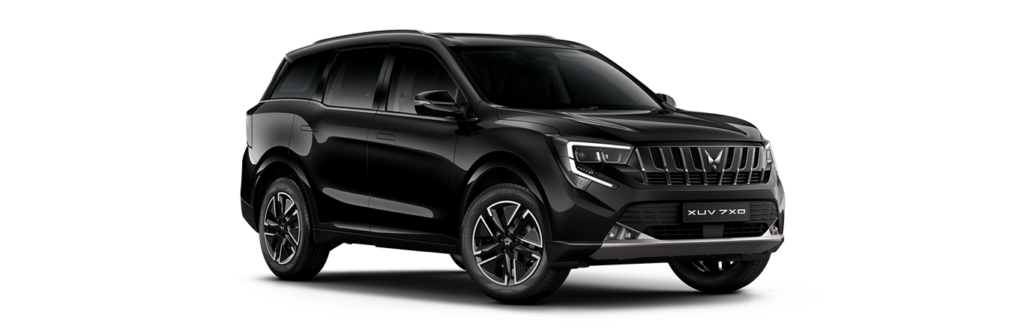
More from us: Tata vs Mahindra: The 1,000-Car Sales Gap in May 2026 and What It Really Means
What Is Actually Happening
Maruti Suzuki has announced a price increase of up to ₹30,000 across select models starting June 2026. The company cited rising input costs and operational expenses as the reason. This is not the first time Maruti has done this, and it will not be the last. Indian carmakers adjust prices every few months, and Maruti typically keeps its hikes smaller than the competition.
For context: Hyundai has also announced a price hike across its lineup for June 2026, citing the same input cost pressures. So this is not a Maruti-specific story. It is an industry-wide adjustment, and Maruti is simply the biggest name in the room.
Which Models Are Likely Affected
Maruti has not released a model-by-model breakdown yet, but based on how the company has structured past hikes, the increase will vary by segment. Entry-level models like the Alto K10 and S-Presso will likely see smaller hikes, while the Baleno, Fronx, Ertiga, and Grand Vitara are more likely to absorb the larger end of the ₹30,000 range.
The Dzire deserves a special mention here. It was India’s best-selling car in FY2026 with over 2.3 lakh units sold in the financial year, and it continued that form with 23,580 units sold in April 2026 alone. A price hike on the Dzire will be noticed simply because so many people are buying it. But given its base price starts at ₹6.26 lakh, even a ₹20,000 increase keeps it firmly in its segment.
Does ₹30,000 Actually Change Anything?
Let us be straight about this. On a car priced between ₹5 lakh and ₹10 lakh, ₹30,000 represents roughly 3 to 6 percent of the purchase price. At a standard 9% interest rate over 60 months, ₹30,000 in extra principal adds roughly ₹550 to ₹650 to your monthly EMI. That is the cost of a few cups of coffee per day.
Is it ideal? No. Does it materially change whether a Maruti is the right buy for the average Indian buyer? Absolutely not.
The reason Maruti sells 1,90,337 cars in a single month, which is what happened in May 2026, is not because it is the cheapest option available. It is because of what comes after the purchase: service centres in every city and small town, some of the best resale values in the market, reliable CNG variants that cut running costs significantly, and a brand familiarity that three generations of Indian families have built trust with.
A ₹30,000 hike does not change any of that.
Why Maruti Remains the First Choice
Here is the truth about why Maruti commands over 38% of the Indian passenger vehicle market. It is not just price. Rivals like Tata and Hyundai have been competitive on features and safety for years now, and buyers still come back to Maruti.
The ownership experience is where Maruti quietly wins. You can get your Wagon R serviced in a Tier 3 town without waiting two weeks for a technician. You can sell a five-year-old Dzire and still recover a better percentage of your original cost than most rivals. The CNG variants of the Ertiga and Dzire make the running cost argument even stronger for daily commuters clocking 50 km or more every day.
A buyer in Ahmedabad or Nagpur who runs their Ertiga as a family car and fills CNG will still find Maruti the most economical choice in 2026, even after the hike.
What This Means for You as a Buyer
If you have already shortlisted a Maruti and your booking is ready, there is a reasonable case for closing the deal before the revised prices come into effect. You save up to ₹30,000, which is real money. But do not let this pressure you into buying the wrong variant or skipping a feature you actually need.
If you are still comparing options, do not let a price hike scare you off the brand. The fundamentals of why Maruti works for Indian buyers have not changed. The hike affects the sticker price, not the ownership experience.
Final Verdict
Maruti’s price hike in June 2026 is notable but not alarming. For buyers already decided on a Maruti, acting before the hike makes practical sense. For everyone else, the increase does not change the core reasons Maruti has been India’s top-selling carmaker for decades. The service network, the resale value, the CNG efficiency, the reliability. None of that costs you ₹30,000 less at a rival brand.
If the right Maruti was your plan, it is still your plan.
Frequently Asked Questions
Q1. How much is the Maruti price hike in June 2026?
Maruti Suzuki has announced a price increase of up to ₹30,000 across select models in June 2026, citing rising input and operational costs. The exact amount varies by model, with entry-level hatchbacks likely seeing smaller increases and premium models bearing the larger end of the hike.
Q2. Which Maruti models are affected by the June 2026 price hike?
Maruti has not released a complete model-wise breakdown at this stage. Based on previous hike patterns, the Baleno, Fronx, Ertiga, and Grand Vitara are likely to see larger increases, while entry-level models like the Alto K10 may see smaller adjustments.
Q3. Is it worth buying a Maruti before the price hike in June 2026?
If you have already decided on a Maruti and your finances are in order, buying before the hike saves you a real amount of money. However, do not rush into a purchase or compromise on variant choice just to avoid the increase. The savings are meaningful but not life-changing.
Q4. Will the Maruti price hike affect its sales in India?
There may be a minor short-term dip in enquiries, but it is unlikely to affect Maruti’s market position in any significant way. The brand sold 1,90,337 units in May 2026 alone, its highest-ever monthly figure, and its fundamentals including service network, resale value, and CNG efficiency remain unchanged.
Stay tuned and follow up for more.
