
VinFast India sales September 2026
Also visit the official website of VinFast
VinFast India sales September 2026 came in at about 2,961 registrations, which put the Vietnamese brand fourth among electric car makers in the country. A year earlier, Vahan counted just six VinFast cars for the month. That is one of the sharpest climbs any new entrant has managed in Indian EVs.
What makes it more interesting is the pricing backdrop. VinFast raised the prices of the VF 6 and VF 7 on 24 August, and buyers kept coming anyway. Let us look at what the numbers say and where the real test lies.
The September numbers, retail not wholesale
These are registration (retail) figures from Vahan, not factory dispatches. According to Autocar Pro, India registered a record 35,948 electric cars in September, an 8.3 percent share of passenger vehicles. Tata Motors led with 14,722 units, followed by Mahindra with 7,741 and JSW MG Motor with 5,226. VinFast took fourth place with 2,961, a share of 8.2 percent of electric registrations, and Kia was fifth with 1,256.
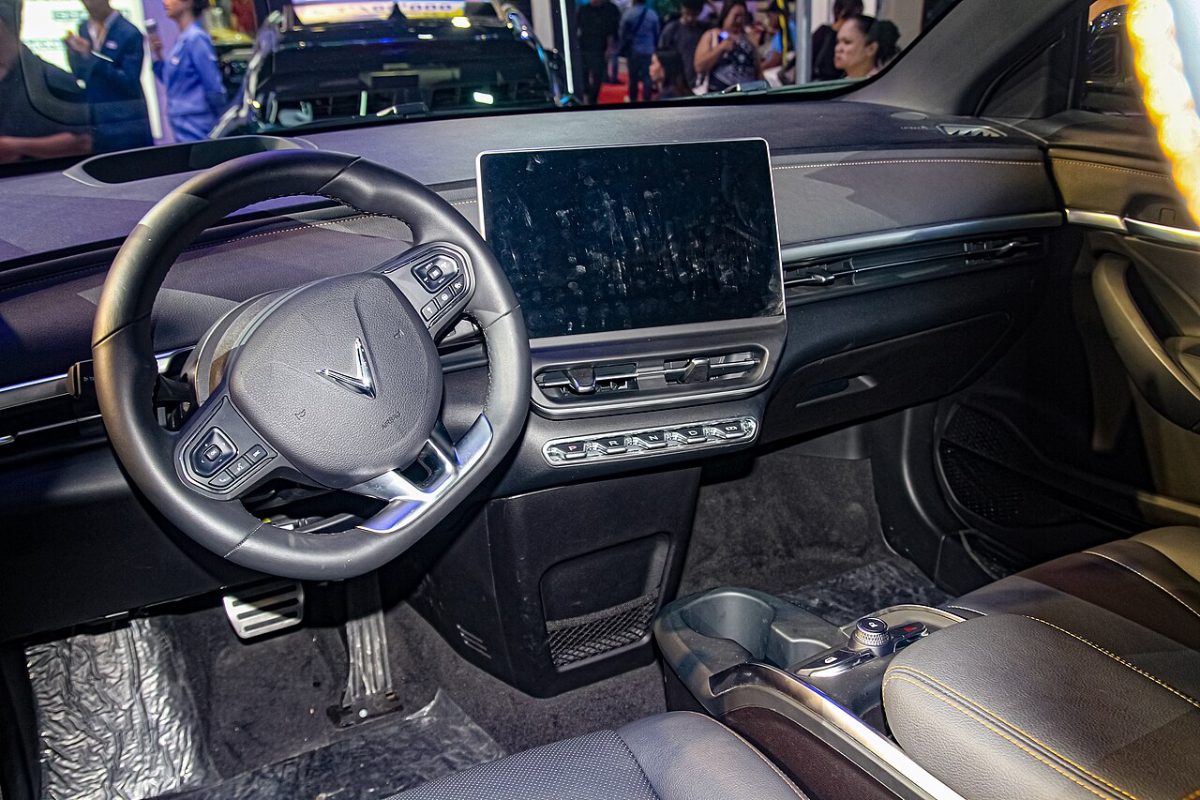
A second tracker, Autopunditz, shows 2,964 for VinFast and 836 for BYD, a small difference that comes from Vahan data being updated after the month closes. So the safe summary is about 2,960 cars. By our arithmetic that is roughly 99 registrations a day.
Add up the top five and you get 31,906 cars, about 89 percent of the month’s 35,948. Tata and Mahindra together hold about 62.5 percent. That leaves roughly 4,042 cars for every other electric brand combined, which is why a newcomer reaching fourth place is a bigger story than the raw number suggests.
How fast VinFast has grown
VinFast launched its first India models in September 2025. By January 2026 it had sold around 1,000 cars in four months, as we reported in our VinFast 1,000 units milestone piece. In early 2026 it was also reported to be outselling BYD, according to Team-BHP, with over 850 units against more than 550 for BYD through 3 March.
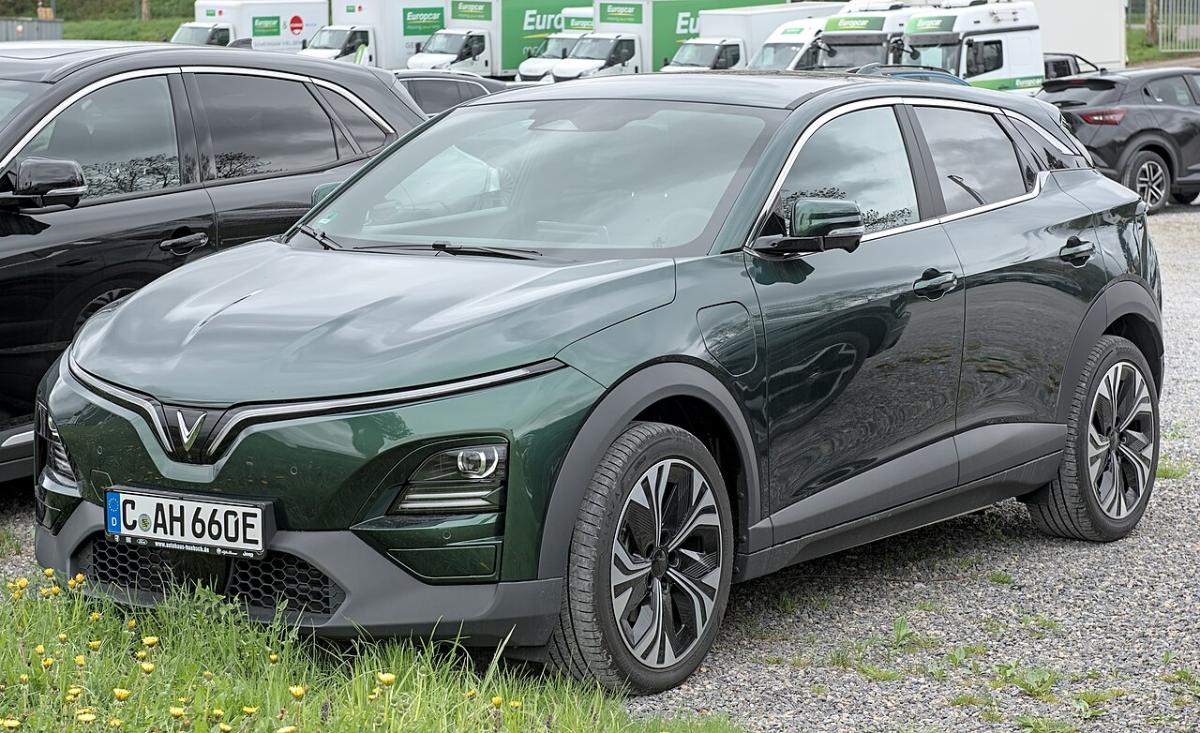
Now compare September. VinFast’s single month of about 2,960 is nearly triple its entire first four months combined. It is also roughly 2.4 times Kia’s 1,256 and about 3.5 times BYD’s 836. That is not a niche result any more. It is a mainstream EV brand in the making.
Two price hikes and the buyer who did not blink
Prices have moved upward. As TimesDrive reported, the VF 6 went up by ₹90,000 across variants to a range of ₹18.19 Lakh to ₹20.09 Lakh ex-showroom. The VF 7 rose by ₹1.10 Lakh to ₹1.13 Lakh, now ₹22.99 Lakh to ₹28.09 Lakh. That is the second increase for the VF 6 in less than a year.
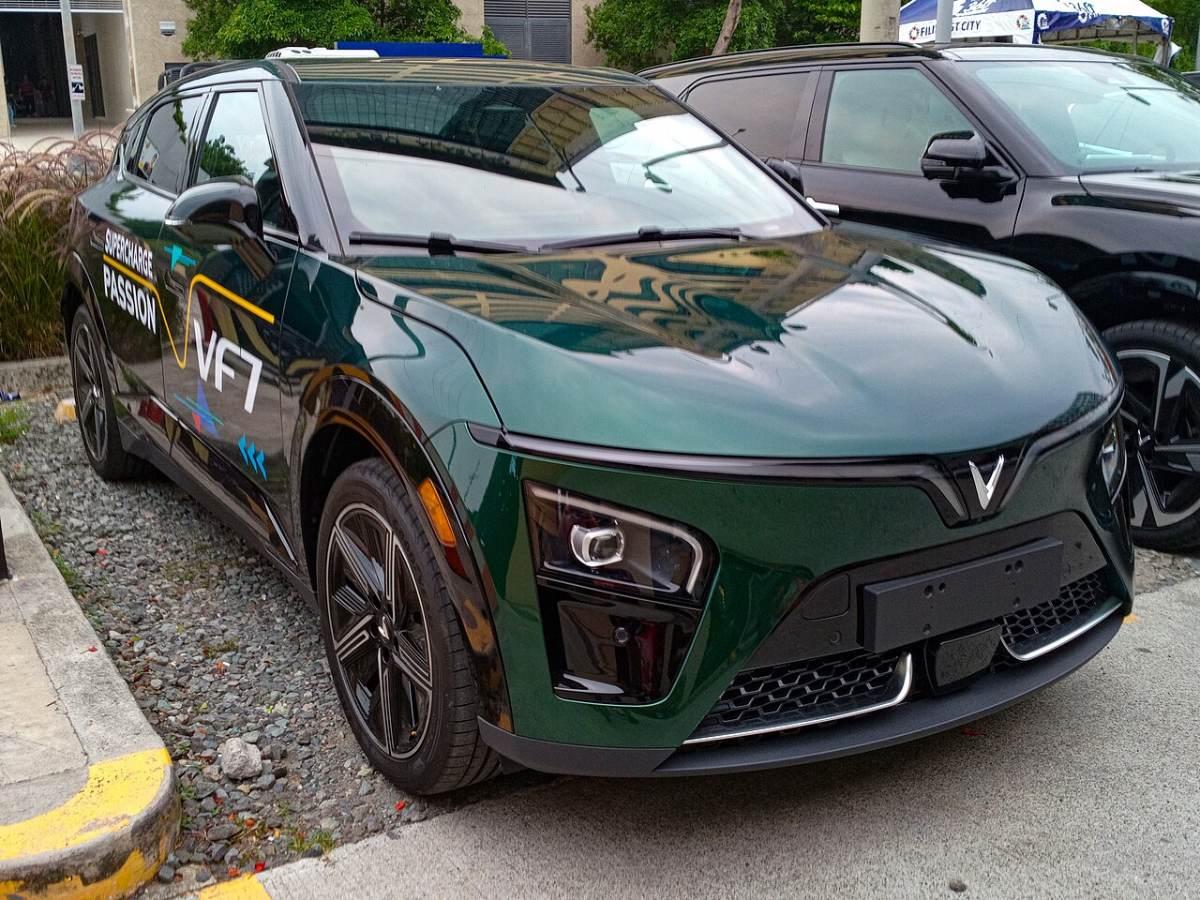
The percentage is smaller than it looks. A ₹90,000 rise on an entry VF 6 at about ₹17.29 Lakh is roughly 5.2 percent, and ₹1.10 Lakh on a base VF 7 at ₹21.89 Lakh is about 5 percent. Those earlier prices are as reported by Mera EV, so treat the percentages as approximate. Even so, a 5 percent increase and a record sales month in the same quarter suggests demand is not hypersensitive to price at this level.
Why buyers are choosing it
We would point to three reasons, with the caveat that VinFast has not published a buyer survey. First, the product range sits between the budget EV hatchbacks and the premium imports, which is a crowded but profitable gap. Second, local assembly in Tamil Nadu has allowed the brand to price below imported rivals. Third, newness helps: a fresh brand with a clean slate attracts buyers tired of waiting lists elsewhere, though that is our reading and not survey data.
For context, our VinFast VF MPV 7 versus Mahindra XEV 9S comparison looked at how the brand’s next move, a seven-seater, could extend the range. Mahindra just made the same segment more tempting with its own battery financing, which we covered in our XEV 9S BaaS price story.
The test VinFast has not passed yet
Registrations show who bought the car, not who is happy a year later. The harder tests come now: service network depth, spare parts availability and resale values. A brand growing from 6 to about 2,960 a month in twelve months needs workshops and parts supply to grow at the same speed.
There is also the question of the product mix. VinFast sells the VF 6 and VF 7 today, and a compact model and a seven-seater are expected later. Each addition widens the audience, but each also stretches a young dealer network. Our advice to prospective buyers is to test the service experience before the car. Ask any owner who has waited for a service appointment on a new brand what matters after delivery day.
Another risk is the pricing ladder. Each hike narrows the gap with established EV makers. If VinFast keeps raising prices while rivals launch new models, the value argument weakens. Watch the next two months of Vahan data: if VinFast holds above 2,500, September was a base, not a peak.
Final Verdict
VinFast India sales September 2026 prove that an unknown brand can win Indian EV buyers within a year if it prices sharply and delivers a feature-rich product. About 2,961 registrations and a fourth-place finish ahead of Kia and BYD is a remarkable result for a company that began with six cars a year ago.
Our view is that the next three months matter more than this one. If service and resale hold up, VinFast becomes a permanent fixture in the top five. If they do not, September will look like a launch spike.
Stay tuned and follow up for more.
How many cars did VinFast sell in India in September 2026?
About 2,961 registrations according to Autocar Pro’s Vahan-based report, with another tracker showing 2,964. These are retail registrations, not dispatches.
Where does VinFast rank among EV makers in India?
Fourth in September 2026, behind Tata Motors, Mahindra and JSW MG Motor, and ahead of Kia.
What are the current VinFast VF 6 and VF 7 prices?
After the 24 August hike, the VF 6 costs ₹18.19 Lakh to ₹20.09 Lakh and the VF 7 costs ₹22.99 Lakh to ₹28.09 Lakh, ex-showroom.
Is VinFast outselling BYD in India?
In September 2026 registrations, yes: about 2,960 against 836 for BYD according to Autopunditz’s Vahan data.
Stay tuned and follow up for more.
