
Here is all essential info on the top EV makers in India as of Jan 2026.
Also read about the top selling car brands in India as of Jan 2026.
Biggest EV makers of Jan 2026 in India:
| Carmaker | Jan 2026 Sales | Jan 2025 Sales | Progress |
|---|---|---|---|
| Tata Motors | 7,852 | 5,292 | +48% |
| JSW MG Motor | 4,606 | 4,527 | +2% |
| Mahindra | 3,589 | 739 | +386% |
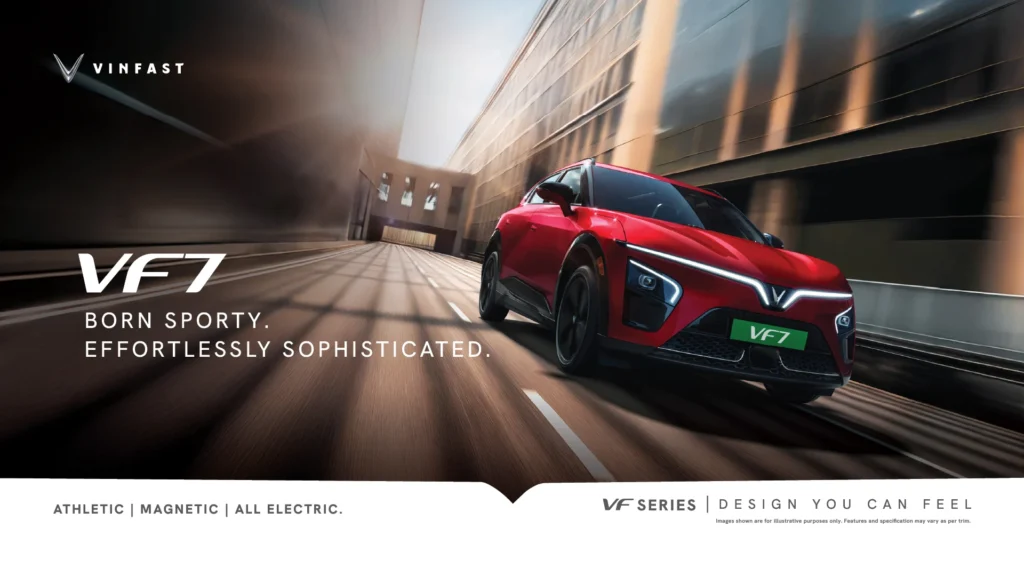
| VinFast | 432 | – | – |
| Hyundai | 326 | 331 | -2% |
| BMW | 312 | 194 | +61% |
| Kia | 306 | 51 | +500% |
| BYD | 224 | 338 | -34% |
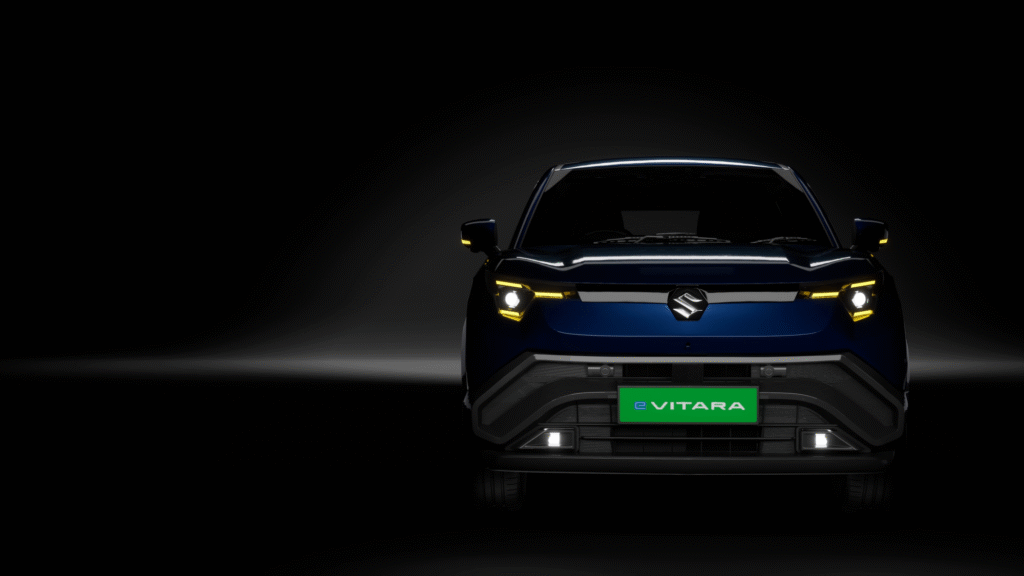
| Maruti Suzuki | 210 | – | – |
| Mercedes-Benz | 69 | 104 | -34% |
| Stellantis | 41 | 274 | -85% |
| Tesla | 37 | – | – |
| Volvo | 35 | 29 | +21% |
| Rolls-Royce | 2 | 4 | -50% |
| Porsche | 1 | 6 | -83% |
| Audi | – | 19 | – |
| JLR | – | 1 | – |
| Total | 18,042 | 11,909 | +51% |
The electric vehicle market in India stepped into 2026 with strong energy and confidence, showing that buyers are slowly but surely shifting towards cleaner mobility. In January 2026, a total of 18,042 electric vehicles were sold across the country, which is a big jump compared to 11,909 units sold in January 2025. This means the EV segment grew by a solid 51 per cent year-on-year, a clear sign that electric cars are no longer just a niche choice but are becoming a serious option for many buyers. Leading the charge yet again was Tata Motors, which has built a strong reputation in the electric space and continues to stay far ahead of its rivals. The company sold 7,852 electric cars in January 2026 alone, marking a 48 per cent rise from the same month last year. Popular models like the Nexon EV, Punch EV and Tiago EV remained the backbone of Tata’s success, while the newly introduced Harrier EV also received a warm response from customers who were looking for a bigger and more premium electric SUV. Tata has also been expanding its presence in the fleet segment by introducing new electric models based on the Tigor platform, which shows that the brand is targeting both personal and commercial buyers. Overall, the start of the year clearly shows that the EV market is growing at a healthy pace, with established players strengthening their positions and new brands trying to make a mark.
Mahindra & Mahindra turned out to be the fastest-growing major carmaker in the electric segment and surprised everyone with its impressive performance. The company sold 3,589 electric vehicles in January 2026, compared to just 739 units in January 2025, which translates to a massive 386 per cent growth. This sharp rise came after Mahindra introduced several new electric models in recent months. Vehicles like the XEV 9S and the electric version of the XUV 3XO have started reaching customers, while the born-electric models such as the XEV 9E and BE 6 have also gained attention and bookings. These new launches helped Mahindra move up quickly and challenge the established players in the market. Meanwhile, JSW MG Motor held on to its position as the second-largest EV seller in January 2026 with 4,606 units sold. However, its growth remained almost flat at just 2 per cent compared to last year, indicating that while it continues to sell in strong numbers, it did not see a major jump in demand. Other brands showed mixed results. Hyundai recorded a slight dip in sales with 326 units sold, while BYD and Mercedes-Benz also saw their numbers fall compared to January 2025. Despite these small declines, the overall market remained positive thanks to strong performances from top players and the growing interest in electric mobility.
Visit the official Maruti India website.
Luxury and niche carmakers also contributed to the January EV numbers, though their volumes remained relatively small. BMW India had a good start to the year, selling 312 electric cars and registering a healthy 61 per cent growth. Kia also reported a huge percentage jump of 500 per cent by selling 306 units, although the total volume was still modest. New entrants such as VinFast and Tesla began making their presence felt with initial deliveries in India, showing that the competition in the premium electric space is only going to increase in the coming months. Brands like Volvo saw a small increase in sales, while others like Stellantis, Porsche and Rolls-Royce experienced declines due to low volumes and changing demand patterns. Maruti Suzuki also entered the EV sales chart with 210 units, hinting at the brand’s gradual entry into the electric market. All these numbers together paint a clear picture: the EV market in India is growing quickly, competition is heating up, and customers now have more choices than ever before. With strong growth at the start of the year, 2026 looks set to be another exciting year for electric vehicles, with more launches, better technology and rising customer interest pushing the segment forward.
Stay tuned and follow up for more.