
Here is a detailed comparison table and overview on with is the most preferred car segment in India.
Also read about the Mercedes C43 AMG vs the competition in the Indian Market.
Car Segments in India: (Understanding the Indian Car Market)
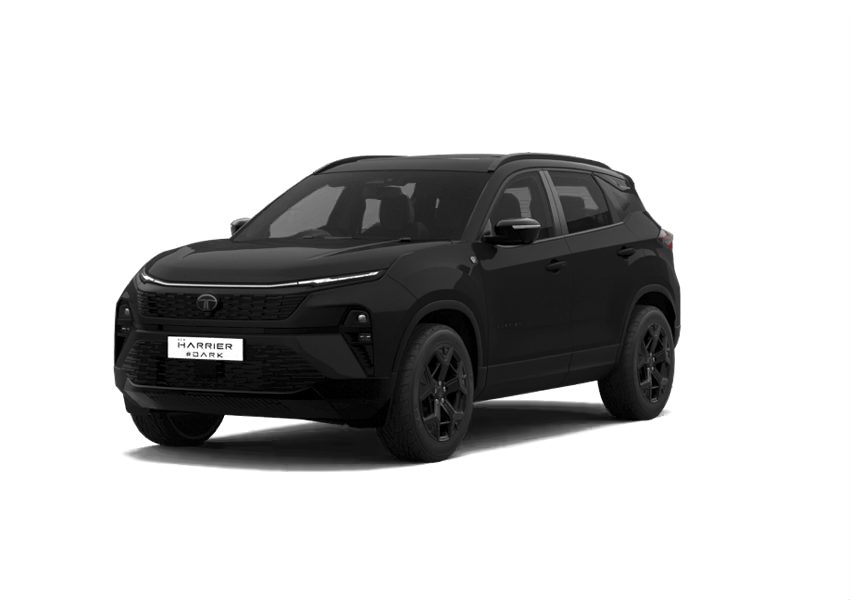
Car segments in India have evolved significantly over the past decade as consumer preferences, road conditions and lifestyle needs have changed. The Indian automobile market today offers a wide variety of segments ranging from entry-level hatchbacks to premium luxury SUVs. Each segment serves a different purpose depending on budget, space requirements, fuel efficiency and driving comfort. For many first-time buyers, small hatchbacks continue to remain an accessible entry point due to their affordable pricing and ease of driving in crowded urban environments. At the same time, compact sedans and midsize sedans appeal to buyers who want additional comfort, better highway performance and a more premium driving experience.
In recent years, car segments in India have witnessed a major shift toward SUVs and crossovers. Buyers are increasingly attracted to vehicles that offer higher ground clearance, commanding road presence and greater practicality for Indian roads. This shift has led to the rise of segments such as compact SUVs and midsize SUVs, which now dominate the market in terms of popularity. Compact SUVs in particular have become extremely successful because they combine SUV styling with manageable size, competitive pricing and modern features. These vehicles often provide a comfortable balance between city-friendly dimensions and the ability to handle rough road conditions.
Visit the official Tata India website.
Among all car segments in India, the compact SUV category has emerged as the most preferred choice for buyers. This segment delivers an appealing mix of affordability, practicality and modern technology. Cars in this category often come equipped with turbocharged petrol engines, diesel options, automatic transmissions, touchscreen infotainment systems, connected car technology and multiple safety features. At the same time, their elevated driving position and spacious cabins make them ideal for both daily commuting and family travel. Because of this versatility, compact SUVs have become the fastest-growing and most popular car segment in the Indian market today.
Comparison:
| Segment | Typical Body Style | Engine / Powertrain Options | Price Range (India) | Key Features | Practicality | Typical Buyers |
|---|---|---|---|---|---|---|
| Entry-Level Hatchback | Small 5-door hatchback | 1.0L–1.2L petrol, some CNG options | ₹4 – ₹6 lakh | Basic infotainment, manual transmission, compact design | Very easy city driving, low running cost | First-time buyers and city commuters |
| Premium Hatchback | Larger hatchback with more features | 1.2L petrol, turbo petrol, some diesel | ₹6 – ₹9 lakh | Touchscreen infotainment, automatic options, better interiors | Good balance of comfort and efficiency | Young buyers and small families |
| Compact Sedan | Small 4-door sedan | 1.2L petrol, diesel, CNG options | ₹6 – ₹10 lakh | Spacious boot, improved comfort, infotainment systems | Good for families needing extra luggage space | Budget family car buyers |
| Subcompact SUV | Compact SUV body style | 1.0L turbo petrol, 1.5L diesel | ₹8 – ₹13 lakh | High ground clearance, touchscreen infotainment, connected tech | Excellent city usability with SUV practicality | Young families and urban buyers |
| Midsize Sedan | Traditional sedan body style | 1.5L petrol, turbo petrol | ₹11 – ₹18 lakh | Premium interiors, larger infotainment displays | Comfortable for long highway drives | Professionals and executive buyers |
| Midsize SUV | Larger SUV with more cabin space | 1.5L–2.0L petrol and diesel | ₹12 – ₹20 lakh | Panoramic sunroof, ADAS, advanced infotainment | Spacious cabin and good road presence | Family buyers seeking comfort and space |
| Full-Size SUV | Large 7-seater SUV | 2.0L–3.0L petrol and diesel engines | ₹30 – ₹60 lakh | Advanced safety systems, premium interiors | Excellent for long journeys and large families | Premium family buyers |
| Luxury Sedan | Premium executive sedan | 2.0L turbo petrol, hybrid systems | ₹45 lakh – ₹1 crore | Advanced digital displays, luxury materials | Comfortable high-speed cruising | Luxury car buyers |
| Performance Sedan | High-performance sports sedan | 3.0L turbo petrol, AWD systems | ₹70 lakh – ₹1.5 crore | Sport suspension, performance modes | Powerful yet usable daily cars | Driving enthusiasts |
| Luxury SUV | Premium large SUV | 3.0L petrol, diesel, hybrid | ₹70 lakh – ₹2 crore | Advanced driver assistance, luxury interiors | High comfort and prestige | High-end buyers and business owners |
Most Preferred Car Segment in India:
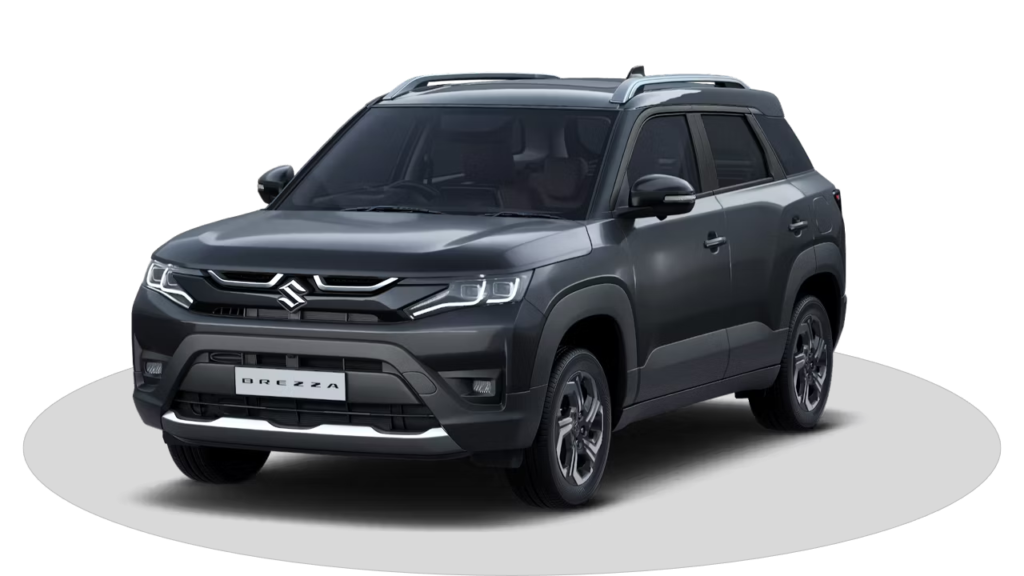
Among the various car segments in India, the subcompact or compact SUV segment has clearly become the most preferred choice for a large number of buyers. Vehicles in this category combine the practicality of a hatchback with the visual appeal and driving height of an SUV. They are also priced in a range that remains accessible for many middle-class families, which contributes to their widespread popularity.
Another reason for the dominance of compact SUVs is their versatility. They perform well in both city traffic and highway conditions, while their higher ground clearance helps tackle uneven roads and speed breakers commonly found across Indian cities and towns. Additionally, manufacturers equip these cars with modern features such as large infotainment screens, wireless smartphone connectivity, automatic climate control and multiple airbags, which enhances their value proposition.
Overall, the growth of different car segments in India reflects the changing expectations of Indian car buyers. While hatchbacks and sedans still play an important role in the market, SUVs—especially compact SUVs—have become the preferred segment due to their combination of style, practicality and technology. As infrastructure improves and customer preferences evolve further, the Indian car market will likely continue to expand across multiple segments while SUVs remain a dominant force.
Stay tuned and follow up for more.