
Here is a detailed comparison about the Safety among the Korean car brands and Indian car brands.
Also read about Maruti’s safety updates in 2026.
Indian vs Korean Car Safety India:
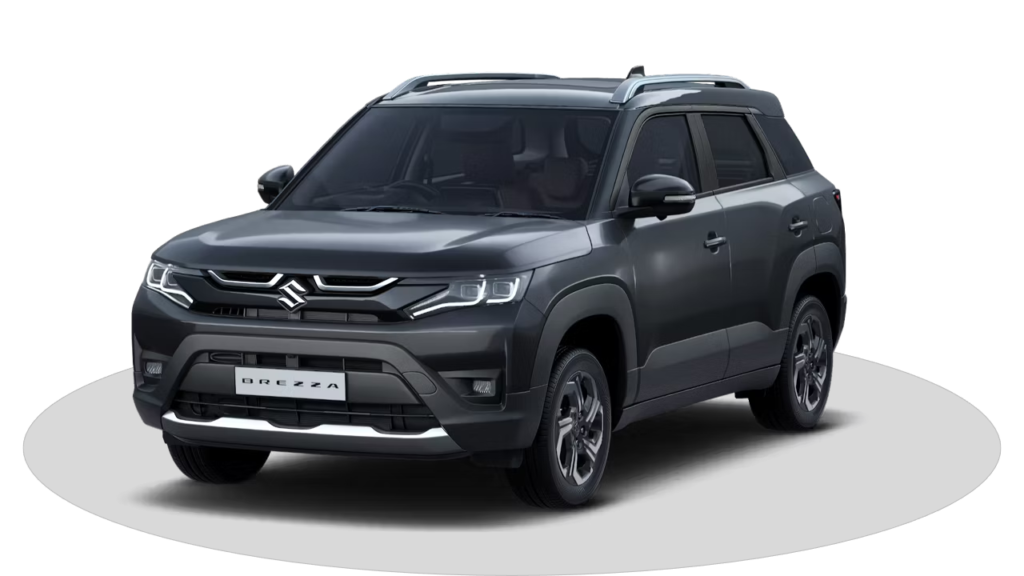
The conversation around safety in the Indian automotive market has evolved significantly in recent years, with buyers becoming far more aware and demanding when it comes to crash protection, structural integrity, and active safety features, and in this context, Indian carmakers such as Tata Motors and Mahindra & Mahindra have carved a strong reputation by consistently focusing on robust build quality and high crash-test ratings under programs like Global NCAP and Bharat NCAP, where models from these brands have frequently secured 4- and 5-star ratings, reflecting a design philosophy that prioritizes occupant protection even in entry-level and mid-range vehicles, while their increasing integration of advanced safety features such as multiple airbags, electronic stability control, and reinforced platforms highlights a deliberate shift toward making safety a core selling point rather than an optional upgrade.
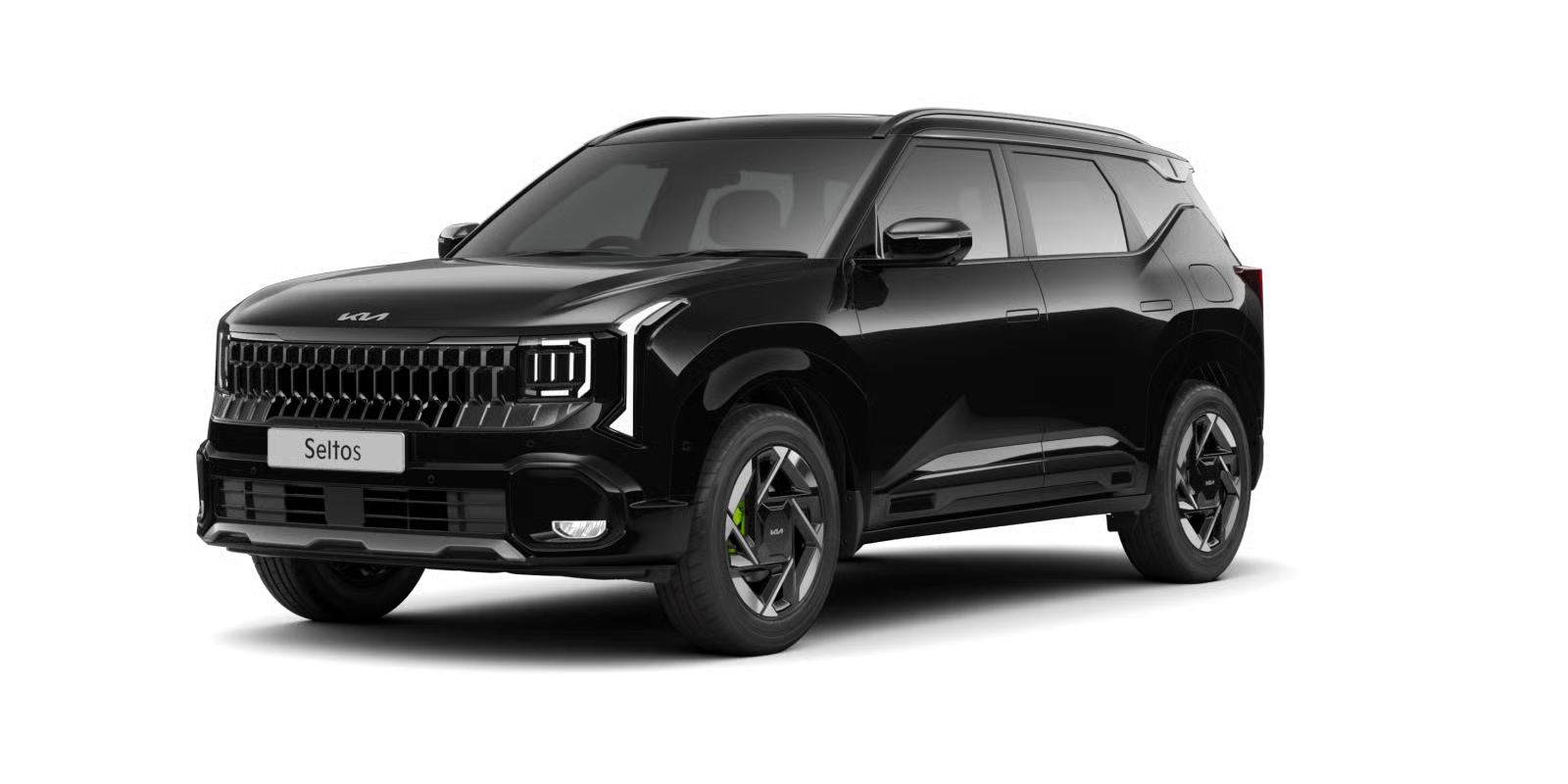
On the other hand, Korean manufacturers like Hyundai Motor India and Kia India have approached safety with a slightly different balance, traditionally emphasizing design, comfort, and feature-rich cabins while gradually strengthening their safety credentials in response to market expectations and regulatory changes, and although earlier models from these brands faced criticism for lower crash ratings in certain cases, their newer-generation vehicles have shown noticeable improvements with stronger body structures, better use of high-strength steel, and the inclusion of standard safety features such as six airbags, ABS with EBD, and electronic stability programs across more variants, indicating a clear effort to align with global safety benchmarks while still maintaining their appeal in terms of technology and driving experience.
Visit the official Maruti India website.
What makes the comparison between Indian and Korean brands particularly interesting is not just the difference in crash-test outcomes but the underlying philosophy, where Indian brands often adopt a “safety-first” approach even if it slightly compromises on weight efficiency or feature packaging, whereas Korean brands aim to strike a more holistic balance between safety, refinement, and modern features, resulting in vehicles that feel more premium but are now steadily catching up in structural safety as well, and as regulations tighten and consumer awareness grows, both segments are converging toward higher safety standards, ultimately benefiting the end buyer with safer, better-equipped cars across price points in India.
Comparison: Indian vs Korean Car Brands in India
- Crash Test Performance
- Indian brands like Tata Motors and Mahindra consistently achieve higher 4- and 5-star ratings in Global NCAP and Bharat NCAP tests.
- Korean brands like Hyundai and Kia have improved but show mixed results depending on the model and generation.
- Build Quality & Structural Strength
- Indian cars are often built with heavier, more rigid structures focused on impact absorption.
- Korean cars use lighter structures for efficiency but are increasingly adopting high-strength steel.
- Standard Safety Features
- Indian brands now offer features like ESC, traction control, and multiple airbags even in mid variants.
- Korean brands excel in offering six airbags, ABS, and electronic aids as standard across many models.
- Advanced Safety Technology
- Indian brands are gradually introducing ADAS features but are still in early stages.
- Korean brands lead in offering ADAS, lane assist, adaptive cruise control, and driver aids in premium variants.
- Safety Philosophy
- Indian brands prioritize crash safety and structural integrity as a primary focus.
- Korean brands aim for a balance between safety, comfort, design, and technology.
- Consistency Across Variants
- Indian brands tend to maintain consistent structural safety across variants.
- Korean brands sometimes differentiate safety features based on variant pricing.
- Consumer Perception
- Indian brands are increasingly seen as “safer choices” in the mass market.
- Korean brands are perceived as feature-rich and premium, now improving their safety image.
Overall, the gap between Indian and Korean car brands in terms of safety is steadily narrowing, with Indian manufacturers leading in crashworthiness and Korean brands excelling in technology and feature integration, creating a competitive landscape where safety is no longer a differentiator but an expectation.