
Here is a detailed comparison and overview of the Skoda Slavia vs the VW Virtus.
Also read about the updated TVS Apache RTR 160 4V.
Skoda Slavia vs Volkswagen Virtus comparison India:
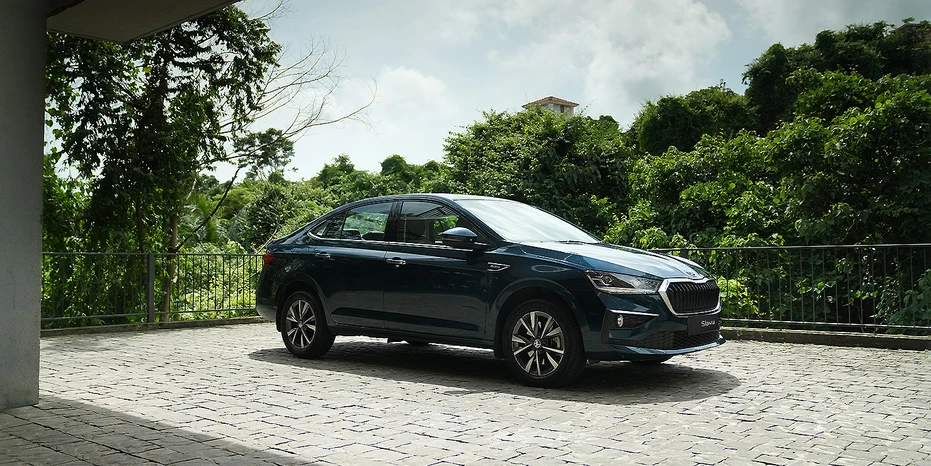
In a market increasingly dominated by SUVs, the midsize sedan segment continues to hold a special appeal for those who value driving dynamics, elegance, and long-distance comfort. At the heart of this space are two closely related yet distinctly positioned offerings: the Skoda Slavia and the Volkswagen Virtus. Built on the same MQB-A0-IN platform, both sedans share core engineering philosophies but express them through different personalities. While they cater to similar audiences, the subtle differences in their design, tuning, and overall feel create two unique experiences, each appealing to a slightly different kind of buyer.
The Skoda Slavia leans toward understated sophistication, with a design language that feels clean, fluid, and timeless. Its interiors reflect a similar approach, focusing on comfort, practicality, and a sense of airy spaciousness that enhances long journeys. On the other hand, the Volkswagen Virtus adopts a more assertive stance, characterized by sharper lines and a sportier visual identity. Step inside, and the Virtus continues this theme with a driver-focused cockpit that feels slightly more engaging and performance-oriented. Despite sharing the same engine options, a 1.0-litre TSI and a more powerful 1.5-litre TSI, the way these cars deliver their performance differs subtly, with the Virtus often feeling a touch more enthusiastic, while the Slavia prioritizes smoothness and comfort.
Visit the official Skoda India website.
What truly sets these two sedans apart is not just their mechanical similarities, but how each brand has tuned the overall experience. The Skoda Auto has positioned the Slavia as a refined, family-friendly sedan that excels in ride quality and everyday usability, making it ideal for buyers who value comfort and elegance. Meanwhile, Volkswagen has infused the Virtus with a sportier edge, appealing to enthusiasts who enjoy a more engaging drive without compromising on practicality. Both cars offer impressive safety, solid build quality, and modern features, ensuring that regardless of the choice, buyers are getting a well-rounded package. Ultimately, the decision comes down to whether one prefers a calm, composed drive or a slightly more spirited and dynamic character.
Comparison:
- Platform & Engineering:
Both the Skoda Slavia and the Volkswagen Virtus are built on the MQB-A0-IN platform, ensuring strong structural integrity and similar mechanical underpinnings. - Design Philosophy:
The Slavia features a clean, elegant, and understated design, while the Virtus adopts a sharper, sportier, and more aggressive styling approach. - Interior Experience:
The Slavia focuses on comfort and spaciousness with a relaxed cabin feel, whereas the Virtus offers a more driver-centric layout with a sporty vibe. - Engine Options:
Both sedans share the same 1.0-litre and 1.5-litre TSI petrol engines, delivering a balance of efficiency and performance. - Driving Dynamics:
The Virtus feels slightly more engaging and responsive, while the Slavia emphasizes a smoother, more comfortable ride quality. - Ride Comfort:
The Slavia edges ahead in terms of suspension tuning for comfort, making it better suited for long journeys and uneven roads. - Handling & Stability:
The Virtus offers sharper handling and a more planted feel at higher speeds, appealing to enthusiastic drivers. - Features & Technology:
Both cars offer similar feature sets, including touchscreen infotainment, digital displays, and connected tech, with minor variations in presentation. - Safety & Build Quality:
Strong build quality and robust safety credentials are shared by both models, reflecting their European engineering roots. - Brand Positioning:
Skoda Auto positions the Slavia as a premium, comfort-oriented sedan, while Volkswagen markets the Virtus as a sporty and dynamic alternative.
In essence, the Skoda Slavia and the Volkswagen Virtus are two sides of the same coin—sharing a strong foundation but offering distinct personalities. Whether one leans toward the calm sophistication of the Slavia or the spirited nature of the Virtus, both sedans reaffirm why this segment still holds a timeless charm in an SUV-driven world.
Stay tuned and follow up for more.