
With the New Renault Duster arriving in the market, there is now competition between the recently launched Tata Sierra and Renault Duster. Here’s more to know.
Read more about the New Renault Duster’s competition in the Indian market.
Tata Sierra vs Renault Duster:
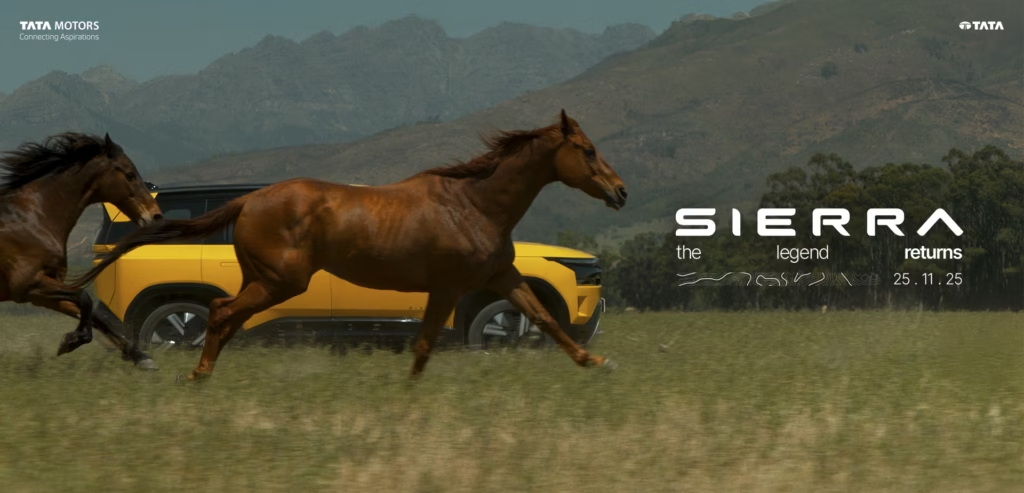
Tata Sierra vs New Renault Duster begins with a fresh clash of two very different personalities in the midsize SUV world, where the Tata Sierra returns as a bold modern-retro icon and the new Renault Duster comes back as a refined global player, and while both SUVs promise style, strength and smart technology for Indian buyers, the Sierra feels like an emotional comeback built on Tata’s safety-focused DNA and distinctive design language, whereas the new-gen Duster feels like a confident evolution that blends rugged roots with urban polish, making this comparison less about which one is better on paper and more about which one fits your lifestyle, because the Sierra aims to attract buyers who love standout styling, comfort and electric-ready thinking, while the Duster is set to appeal to those who want proven engines, balanced performance and a practical everyday SUV that still carries a strong adventurous image.
Visit the official Tata India website.
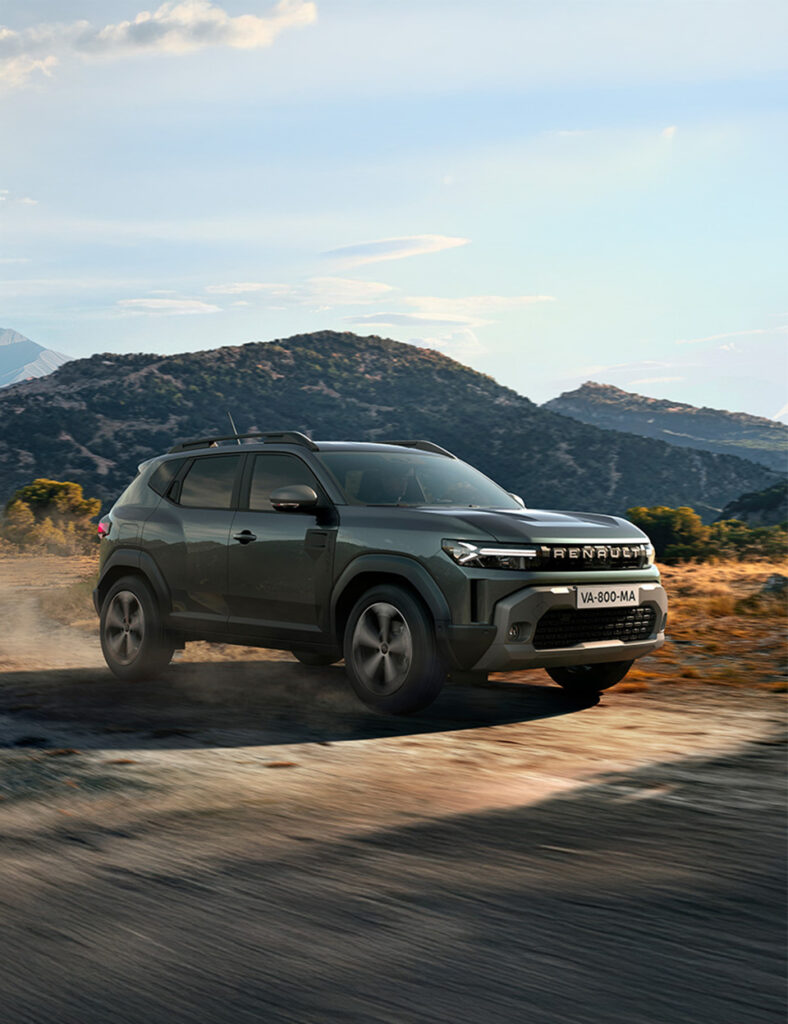
The Tata Sierra steps in with a design that mixes nostalgia and modern cues, featuring a tall stance, boxy yet premium body lines, and a cabin expected to be spacious, tech-rich and focused on comfort with large screens, connected features and strong safety equipment, while the new Renault Duster returns with a more global and rugged look that keeps its tough SUV charm alive but adds modern lighting, improved interiors and advanced powertrain choices including turbo-petrol and hybrid options, which means buyers will see a clear difference in approach, as the Sierra will likely focus heavily on safety ratings, electric and hybrid readiness and a feature-packed cabin for families, whereas the Duster will emphasize driving feel, engine performance and reliability along with a balanced feature list, making it appealing to those who want an SUV that feels solid on highways, city roads and rough patches without being overly complicated or too futuristic in its approach.
In the end, the real decision between the Tata Sierra and the new Renault Duster will come down to what you value more in an SUV, because the Sierra is shaping up to be a bold statement with strong road presence, a focus on comfort and safety and possibly electric powertrain options for future-ready buyers, while the new Duster looks set to return as a practical all-rounder with multiple engine options, strong driving dynamics and a more traditional SUV feel that suits long drives and daily use equally well, and while both vehicles are still building excitement ahead of their full launch details, they represent two strong directions in the same segment, one leaning toward modern design and premium features with a touch of nostalgia, and the other leaning toward proven mechanical strength and global engineering, ensuring that whichever one you choose, you’re getting a stylish, capable and family-friendly SUV that reflects your own driving priorities and personality.
Detailed Comparison Table: Tata Sierra vs New Renault Duster
| Category | Tata Sierra (Upcoming) | New Renault Duster (Upcoming) |
|---|---|---|
| Segment | Mid-size SUV | Mid-size SUV |
| Design Style | Modern-retro, boxy and bold | Rugged, modern and global |
| Platform | Likely Tata’s new advanced platform (ICE + EV ready) | CMF-B global platform |
| Launch Timeline | Expected 2026 | Expected 2026 |
| Engine Options | Petrol, EV expected, possible hybrid later | 1.0L turbo petrol, 1.3L turbo petrol, strong hybrid |
| Electric Version | Yes, confirmed for future lineup | Not confirmed for India yet |
| Power Output (Expected) | 120–170 hp (petrol), EV higher torque | 100–160 hp depending on engine |
| Transmission | Manual, automatic, possible EV single-speed | Manual, CVT, automatic |
| Drivetrain | FWD, possible AWD later | FWD, AWD in select variants (global spec) |
| Mileage (Expected) | Petrol: 16–19 km/l, EV: 400+ km range | Petrol: 17–20 km/l, Hybrid: 22+ km/l |
| Exterior Highlights | LED light bar, upright stance, large wheels | Rugged cladding, LED lights, muscular look |
| Interior Theme | Premium, spacious, tech-heavy | Practical, modern, driver-focused |
| Infotainment | Large touchscreen, digital cluster | Dual screens, connected tech |
| Sunroof | Panoramic expected | Panoramic expected |
| Safety | 6 airbags, ADAS expected, high safety focus | 6 airbags, ADAS expected |
| Boot Space | Around 450–500 L expected | Around 450 L |
| Ground Clearance | 200 mm approx | 210 mm approx |
| Ride Comfort | Family-oriented and soft | Balanced comfort and handling |
| Off-road Ability | Moderate | Stronger with AWD option |
| Price Range (Expected) | ₹14–22 lakh | ₹12–20 lakh |
| Target Buyer | Feature-loving family buyers | Driving-focused practical buyers |
| Key Strength | Safety, design and EV readiness | Engines, reliability and balance |
| Key Weakness | Unknown real-world performance yet | Feature list may be simpler than rivals |
| Overall Feel | Stylish, futuristic and premium | Tough, reliable and versatile |
Stay tuned and follow up for more.