
Tata Punch EV vs Maruti e Vitara
Introduction
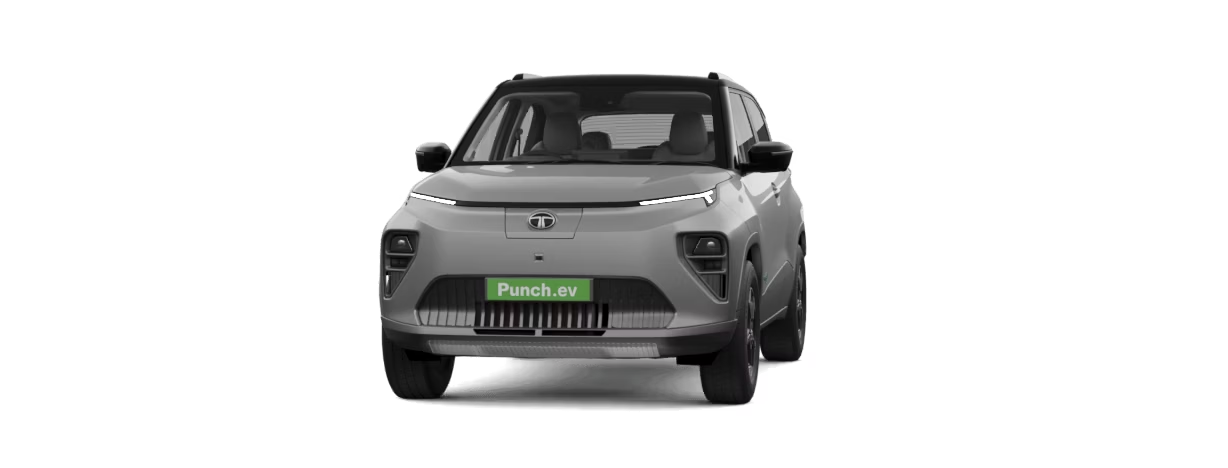
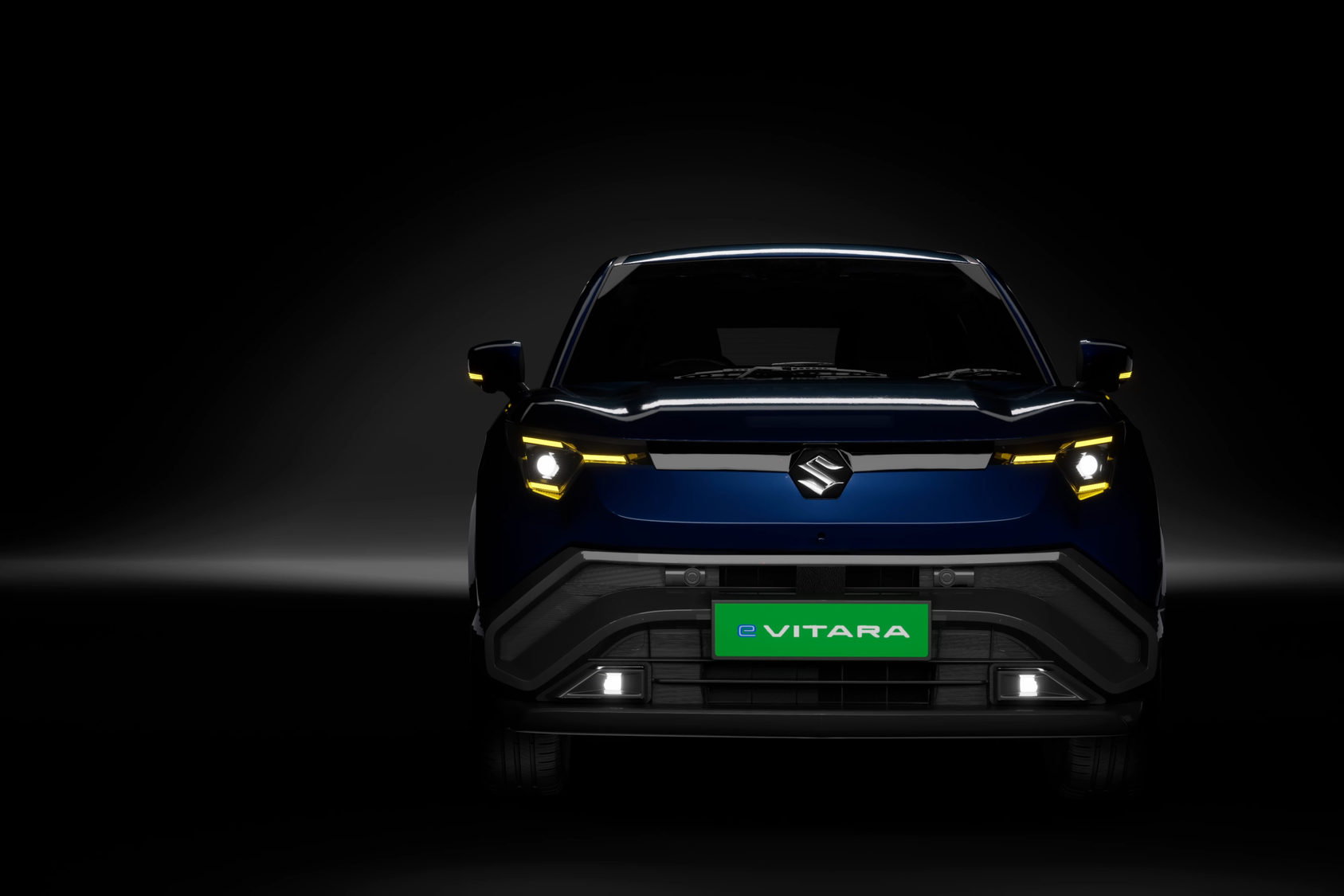
The electric car space in India is evolving quickly, and buyers now have very different choices depending on budget and usage. The Tata Punch EV vs Maruti e Vitara comparison is interesting because it pits a compact, city-focused EV against a larger, more versatile SUV. While the Punch EV sits in the affordable segment, the e Vitara marks Maruti Suzuki’s serious entry into the EV space. Both target very different buyers, but many first-time EV customers will find themselves choosing between the two.
Also read about the Mahindra XUV 7XO ownership review.
Price & Variants
Tata Punch EV
- Smart – ₹10.99 lakh (ex-showroom)
- Smart+ – ₹11.49 lakh (ex-showroom)
- Adventure – ₹12.99 lakh (ex-showroom)
- Empowered – ₹13.99 lakh (ex-showroom)
Maruti e Vitara (Expected)
- Base Variant – ₹17.00 lakh (ex-showroom, expected)
- Mid Variant – ₹19.00 lakh (ex-showroom, expected)
- Top Variant – ₹21.00 lakh (ex-showroom, expected)
- The pricing clearly shows that the Punch EV is aimed at budget-conscious buyers, while the e Vitara targets premium compact SUV customers.
Key Highlights
- Punch EV offers 2 battery options (25 kWh & 35 kWh)
- e Vitara expected range of 500+ km on a single charge
- Punch EV real-world range around 250–350 km
- e Vitara built on a dedicated EV platform co-developed with Toyota
- Punch EV focuses on city usability and affordability
- e Vitara targets long-distance and family usage
Engine & Performance
The Punch EV feels light and easy to drive in the city. Acceleration is quick off the line, which makes traffic driving less stressful. It isn’t built for aggressive highway runs, but it handles daily commutes comfortably.
The e Vitara, on the other hand, is expected to deliver stronger performance thanks to its larger battery and higher output. It should feel more stable at highway speeds and better suited for longer journeys.
Tata Punch EV Specs
- Battery: 25 kWh / 35 kWh
- Power: Up to 122 PS
- Torque: 190 Nm
- Transmission: Single-speed automatic
- Range: 315–421 km (claimed)
Maruti e Vitara Specs (Expected)
- Battery: ~60 kWh
- Power: ~140–170 PS
- Torque: ~250 Nm
- Transmission: Single-speed automatic
- Range: 500+ km (claimed)
- In real-world conditions, the Punch EV suits short daily drives, while the e Vitara is built for mixed usage including highways.
Chassis, Wheels & Features
Tata Punch EV
- Wheels: 16-inch alloys
- Tyres: Low rolling resistance tyres
- Ground Clearance: ~190 mm
- Suspension: McPherson strut (front), twist beam (rear)
- Brakes: Disc (front), drum (rear)
- Features: ABS, ESC, regen braking, 360-degree camera
Maruti e Vitara (Expected)
- Wheels: 17–18 inch alloys
- Tyres: Wider road-focused tyres
- Ground Clearance: ~200 mm
- Suspension: Independent setup (likely)
- Brakes: All-disc setup
- Features: ADAS, ESC, multiple drive modes, connected tech
- Overall, the Punch EV is built for city practicality, while the e Vitara aims for a more premium and feature-rich driving experience.
Design & Styling
The Punch EV carries forward its familiar micro-SUV shape but adds EV-specific elements like a closed grille and sleeker LED lighting. It feels compact and upright, which helps in tight urban spaces. The overall design is functional rather than expressive.
The e Vitara takes a more mature approach with a longer body, wider stance, and smoother surfaces. It looks closer to a global SUV and feels more substantial on the road. Compared to the Punch EV, it has a stronger road presence and more premium detailing.
Ownership & After-Sales
Tata Punch EV
- Warranty: 8 years / 1.6 lakh km (battery)
- Standard Warranty: 3 years
- Roadside Assistance: Available
- Service Network: Extensive across India
- Accessories: Chargers, styling kits, tech upgrades
Maruti e Vitara (Expected)
- Warranty: 8 years (battery expected)
- Roadside Assistance: Likely included
- Service Network: Strongest in India
- Accessories: Expected wide range
Competition
The Tata Punch EV vs Maruti e Vitara comparison works because both target first-time EV buyers, but at different budget levels. The Punch EV is for affordability, while the e Vitara is for versatility and range.
Other Alternatives
- Tata Nexon EV
- MG ZS EV
- Mahindra XUV400
- Rivals like the Nexon EV offer a middle ground, while MG and Mahindra provide more performance-focused options.
Final Verdict
The Punch EV makes sense if your usage is mostly within the city and budget is a priority. It’s easy to drive, affordable to run, and simple to live with. However, it does feel limited when it comes to highway range and space.
The e Vitara, on the other hand, is better suited for buyers who want one car for everything, city, highway, and family trips. Its biggest strength is expected range, but the higher price could be a concern.
If your budget allows it and you need flexibility, the e Vitara is the more complete option. Otherwise, the Punch EV remains a practical entry point into electric mobility.
FAQs:
Which is cheaper: Tata Punch EV or Maruti e Vitara?
The Tata Punch EV is significantly cheaper, starting around ₹11 lakh, while the e Vitara is expected to start near ₹17 lakh.
Which EV offers better range?
The Maruti e Vitara is expected to offer over 500 km range, while the Punch EV offers up to around 400 km.
Is the Punch EV good for highway driving?
It can handle short highway trips, but it is mainly designed for city use.
Which one should I buy?
Choose Punch EV for affordability and city driving. Go for e Vitara if you want more range, space, and highway capability.
Stay tuned and follow up for more.
