
Best Cars Under ₹10 Lakh in 2026
Introduction
The ₹10 lakh budget in India used to feel like a sweet spot. You could walk into a showroom, stretch your budget slightly, and drive out with a well-rounded car that didn’t feel “entry-level” in any way. Fast forward to 2026, and things have changed, prices have gone up, features have become more expensive, and what you get under ₹10 lakh requires smarter decision-making than ever before.
This is no longer a segment where you can blindly pick the most popular car and expect it to suit your needs. Some cars here are great for mileage but feel underpowered. Others look premium but cut corners on safety or long-term ownership costs. And then there are a few rare ones that strike a genuinely good balance.
What makes things more complicated is how Indian usage patterns vary. A buyer in Surat dealing with traffic and narrow lanes needs something very different from someone regularly doing highway runs between cities. Add fuel costs, EMI pressure, and resale value into the mix, and suddenly this decision becomes more strategic than emotional.
So instead of listing random options, let’s break down the cars under ₹10 lakh that actually make sense in 2026, and more importantly, why they make sense.
Also read about the Hyundai Creta Facelift.
Hatchbacks That Still Deliver Value
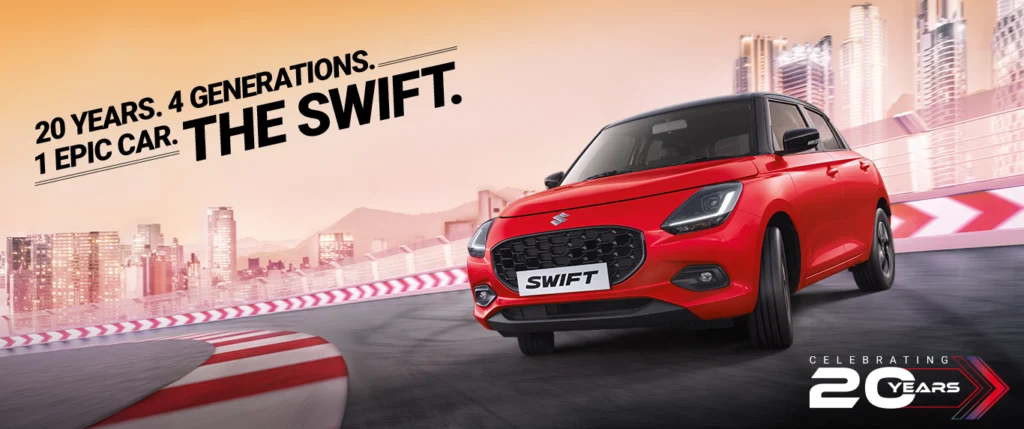
- The Maruti Swift continues to be one of the most balanced hatchbacks, offering a strong mix of mileage, reliability, and low maintenance costs.
- Its lightweight nature makes it extremely easy to drive in city traffic, especially in congested urban environments.
- The latest generation improves safety and features, but still keeps running costs impressively low.
- Hyundai Grand i10 Nios offers a more premium cabin feel compared to most hatchbacks in this price range.
- It is particularly appealing for buyers who want comfort and features over outright performance.
- Tata Tiago stands out for its strong build quality, making it a preferred choice for safety-conscious buyers.
- It also offers CNG options, which significantly reduce running costs for high-usage drivers.
Compact Sedans for Practical Buyers
- The Maruti Dzire continues to dominate due to its unbeatable combination of mileage, comfort, and resale value.
- Rear seat comfort is one of its biggest strengths, making it ideal for family buyers.
- Honda Amaze offers a more refined petrol engine and better driving feel compared to some rivals.
- It also provides a more stable highway experience, which frequent travelers will appreciate.
- Compact sedans still make sense for buyers who want a separate boot and better long-distance comfort.
Compact SUVs That Fit the Budget
- Tata Punch has become one of the highest-selling cars in India because it offers SUV-like presence at a hatchback price.
- Its high ground clearance is a major advantage on broken Indian roads.
- Nissan Magnite remains one of the most value-for-money compact SUVs, especially in its lower variants.
- It offers turbo petrol options that feel more powerful than most cars in this budget.
- Renault Kiger shares similar strengths, with slightly different styling and feature packaging.
- These SUVs are ideal for buyers who want a bigger car feel without crossing ₹10 lakh.
Mileage & Running Cost Reality
- Petrol cars in this segment typically deliver 16–22 km/l depending on driving style and conditions.
- CNG variants can significantly reduce running costs, especially for daily commuters.
- Maintenance costs are generally lowest for Maruti cars, followed by Hyundai and Tata.
- Insurance and service packages can vary widely, so checking long-term costs is essential.
- Fuel efficiency should not be the only deciding factor, overall ownership cost matters more.
Features That Actually Matter
- Touchscreen infotainment systems are now standard, but usability matters more than screen size.
- Safety features like airbags and ABS are no longer optional, they are essential.
- Reverse parking cameras and sensors are extremely useful in Indian driving conditions.
- Automatic variants are becoming increasingly popular, especially in cities.
- Premium features like sunroofs are available but should not be a priority over safety and reliability.
What Most Buyers Get Wrong
- Many buyers prioritize looks over long-term usability, which often leads to regret.
- Choosing a car purely based on mileage without considering performance can be frustrating.
- Ignoring service network and maintenance costs can make ownership expensive.
- Overstretching budget for features instead of focusing on essentials is a common mistake.
- Not test driving multiple options leads to poor decisions.
Best Picks Based on Usage
- For city driving: Maruti Swift or Hyundai Grand i10 Nios
- For maximum mileage: Maruti Dzire or CNG variants
- For rough roads: Tata Punch
- For value-for-money SUV feel: Nissan Magnite or Renault Kiger
- For balanced usage: Dzire remains the safest all-round choice
FAQs
Which is the best car under ₹10 lakh in 2026?
There is no single best car, it depends on your usage. Dzire is the safest all-rounder, while Punch is ideal for rough roads.
Should I buy petrol or CNG in this budget?
If your daily running is high, CNG makes financial sense. For flexibility and performance, petrol is better.
Are SUVs under ₹10 lakh worth it?
Yes, but they are compact SUVs. They offer better road presence but may compromise slightly on refinement.
Is it better to stretch budget beyond ₹10 lakh?
Only if you genuinely need the extra space or features. Otherwise, this segment still offers excellent value.
Final Verdict
The ₹10 lakh segment in 2026 isn’t about finding the “best car”, it’s about finding the right car for your usage. If you approach it smartly, you can still get a vehicle that feels complete, efficient, and reliable without stretching your finances. But if you chase trends instead of practicality, this budget can quickly feel limiting.
Author: Manav Akbari, TheWheelFeed
