
Toyota Hilux launch India 2026
Also visit the official website of Toyota India
More from us: Nissan Tekton: The Terrano Successor Nobody Asked For, Launching July 9
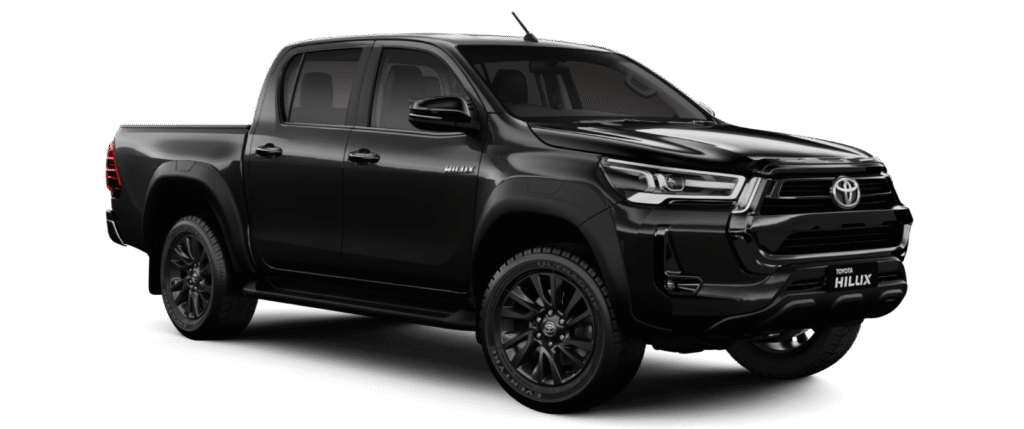
The ninth-generation Toyota Hilux is confirmed to launch in India around mid to late July 2026, eight months after its global debut, and it’s expected to command a serious premium over the outgoing model’s ₹28.52 to ₹36 lakh range. Every major site has covered the design overhaul and the dual 12.3-inch displays. Almost nobody’s asked the real question: does a lifestyle pickup actually make sense as a daily vehicle in Indian cities?
What’s Genuinely New
The ninth-gen Hilux gets a complete redesign, slim LED headlamps, a honeycomb grille, and a dramatically more modern cabin with dual displays and a new three-spoke steering wheel. Toyota is expected to retain the 2.8-litre diesel engine, likely adding the 48V mild-hybrid system already seen on the Fortuner.
The Practicality Problem Nobody’s Addressing
A pickup truck this size has a genuinely large turning radius and a footprint that makes city parking, narrow lanes, and multi-level basement parking in most Indian apartment complexes a real daily friction point.
Where It Actually Excels
Off-road, on highways, and for towing or hauling, the Hilux remains genuinely excellent. Ground clearance, a strong 4×4 system, and Toyota’s reliability reputation make it a legitimate choice for buyers who actually go off paved roads regularly.
What This Means for Indian Buyers
If your usage genuinely includes rough terrain, farmland, or long highway hauls with cargo, the Hilux justifies its premium price. If you’re buying it to sit in city traffic five days a week, a Fortuner or Endeavour would serve daily use better.
The Registration Problem Nobody’s Mentioning
Beyond turning radius and parking, there’s a more basic practicality issue with owning a pickup in India: registration classification. Pickups like the Hilux are frequently registered as commercial vehicles depending on the state and variant, which brings different road tax slabs, permit requirements in some states, and restrictions on private, non-commercial use in certain jurisdictions. Before you assume the Hilux slots into your life like any other private SUV, check with your local RTO on how the specific variant you want gets classified in your state, this varies enough across India that a blanket answer doesn’t exist.
Ownership costs compound this. Toyota’s service costs on the diesel powertrain are generally reasonable by segment standards, and resale value has historically been strong across Toyota’s India lineup, the Fortuner and Innova both hold value exceptionally well. But insurance premiums on a ₹33 lakh-plus pickup, particularly if registered commercially, can run noticeably higher than an equivalently priced SUV registered privately. Get a real insurance quote and a clear answer on registration classification from your dealer before you factor the Hilux into your budget, the on-road price gap between commercial and private registration can be substantial enough to change the decision.
Final Verdict
The new Hilux looks like a genuine step up in refinement and tech, but its real audience in India is narrow: adventure-focused buyers with an actual off-road or hauling need. For everyone else, this is an expensive way to buy a vehicle that fights you in daily city use.
When will the new Toyota Hilux launch in India in 2026?
The ninth-generation Toyota Hilux is expected to launch in India in July 2026, around eight months after its global debut in November 2025.
What is the expected price of the new Toyota Hilux in India?
Given the outgoing model’s ₹28.52 to ₹36 lakh range and the extent of updates, the new Hilux is expected to command a meaningful premium over that range.
Is the Toyota Hilux practical for daily city driving in India?
Not particularly. Its size and turning radius make city parking and narrow lanes a real challenge. It’s better suited to buyers with genuine off-road or highway hauling needs.
What engine will the new Toyota Hilux use in India?
It’s expected to retain the 2.8-litre diesel engine, likely with the addition of a 48V mild-hybrid system for improved efficiency and refinement.
Stay tuned and follow up for more.
