
retail vs wholesale September 2026
Also visit the official website of Honda Cars India
Retail vs wholesale September 2026 is the comparison that India’s monthly sales reports almost never make, and it changes how you read three brands. Wholesale is what the factory dispatches to dealers. Retail is what customers register at the RTO. The two numbers are often quoted as if they were the same thing, and in September 2026 they told very different stories for Honda, Nissan and Renault.
I put the official wholesale figures next to Vahan registrations for each brand. Honda sold more than it dispatched. Nissan dispatched more than it sold. Renault came out almost level. Each pattern means something different for what happens in October.
The method and the caveat
The wholesale numbers come from each company’s own monthly release, such as Honda‘s September report on Autocar Pro, and the matching Nissan and Renault releases. Those are domestic dispatches only, with exports excluded. The retail numbers come from Vahan-based trackers: the AutoPunditz Vahan table and carhp.
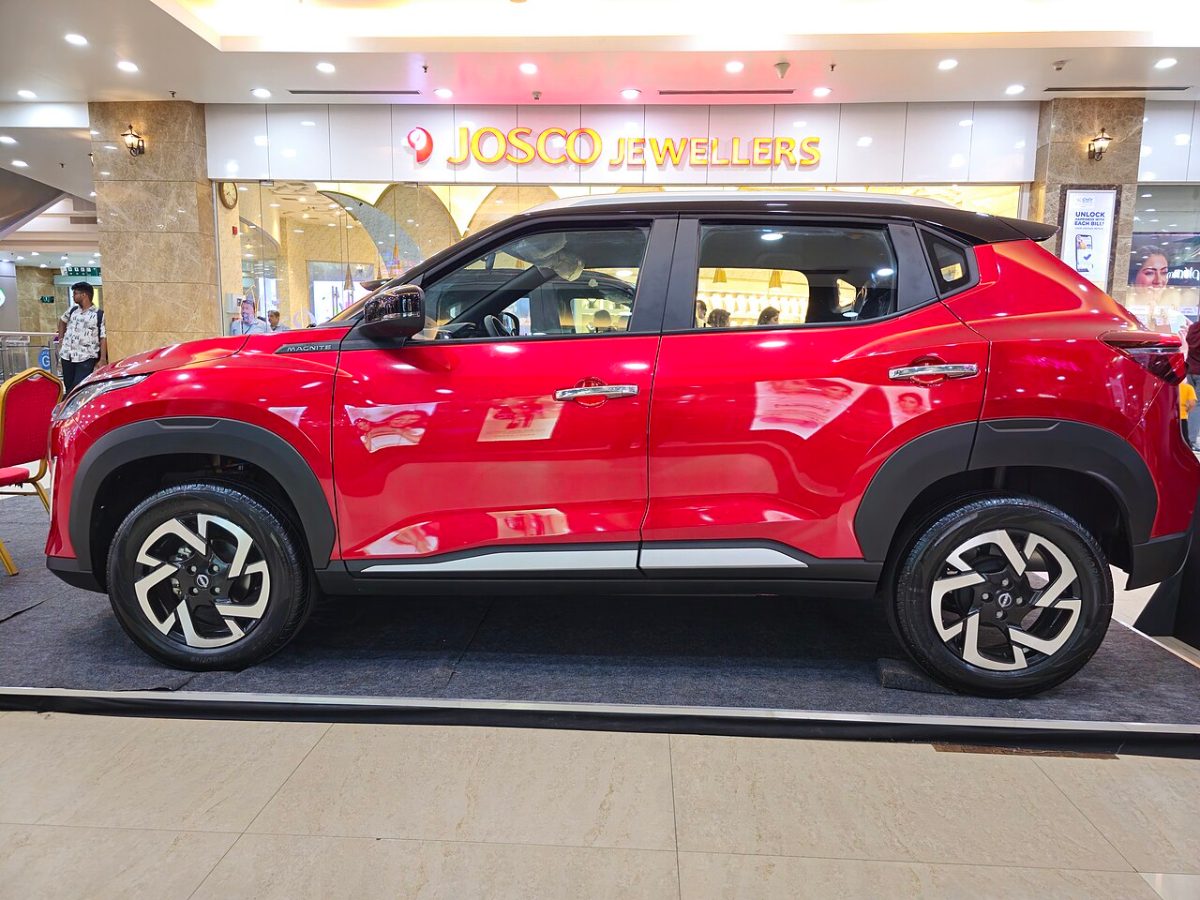
The two trackers do not match exactly, because of data timing, so I use ranges. The comparison is directional rather than exact to the unit, since one side is company-reported and the other is registration data. With that caveat on record, the patterns are large enough to be real.
Honda: retail beat dispatch by 580 to 820 units
Honda reported 4,465 domestic dispatches in September 2026, down about 15.8% from 5,303 a year earlier. Vahan trackers put Honda registrations at roughly 5,045 to 5,283, and one of them shows a 42.5% gain over the 3,707 of September 2025.
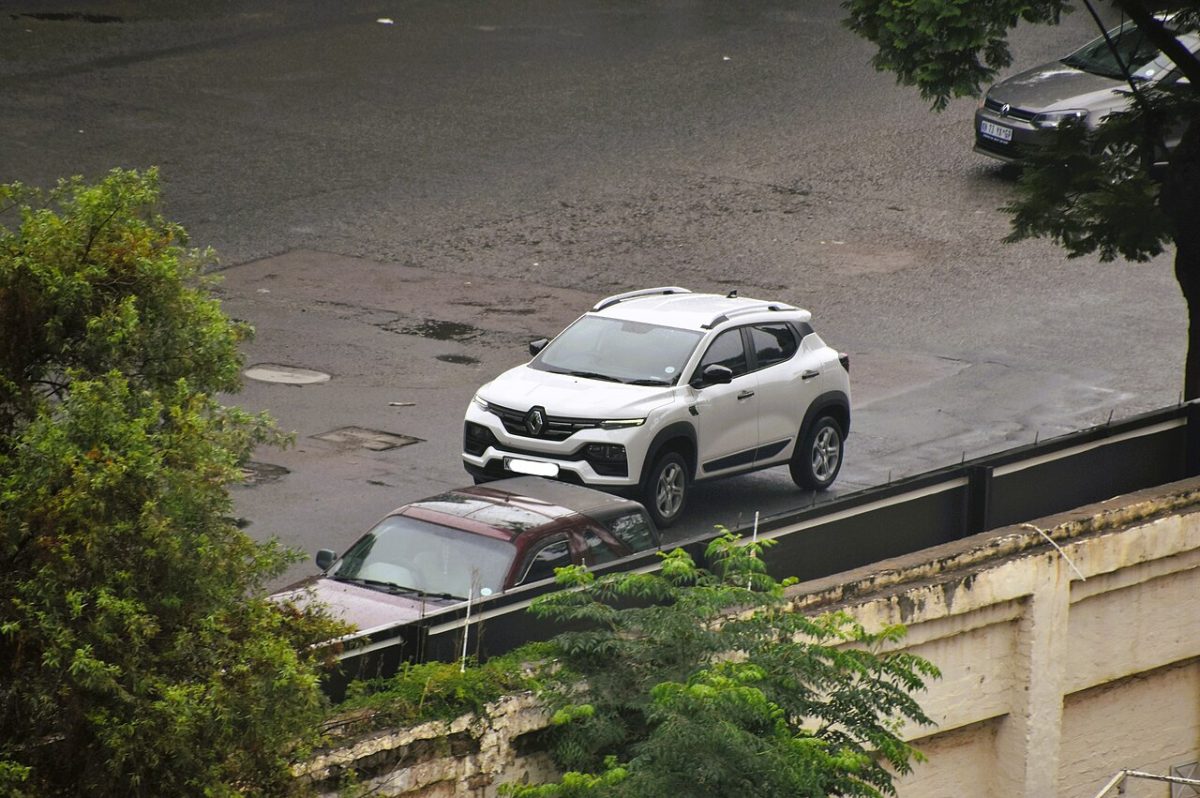
So customers took home about 13% to 18% more cars than Honda dispatched. Dealers drew down stock, which usually means less room to haggle on a Honda in the first festive weeks. A year earlier the opposite happened: 5,303 dispatches against roughly 3,707 registrations, meaning dealers were loaded with about 1,600 extra cars. Honda said it was preparing the refreshed Elevate for the festive retail season, and the numbers fit.
For the full Honda picture, see our Elevate facelift report. The takeaway here is that Honda’s wholesale decline overstates the weakness in demand. When the new stock arrives, expect dispatches to jump, and remember that a jump in October dispatches would be restocking, not a sudden surge in demand.
Nissan: dispatch ran ahead of retail by 330 to 360 units
Nissan’s domestic wholesale doubled to 3,300 units from 1,652. Retail registrations were roughly 2,942 to 2,967, and one tracker shows a 115.2% rise over 1,379. Dispatches therefore exceeded registrations by about 11%.
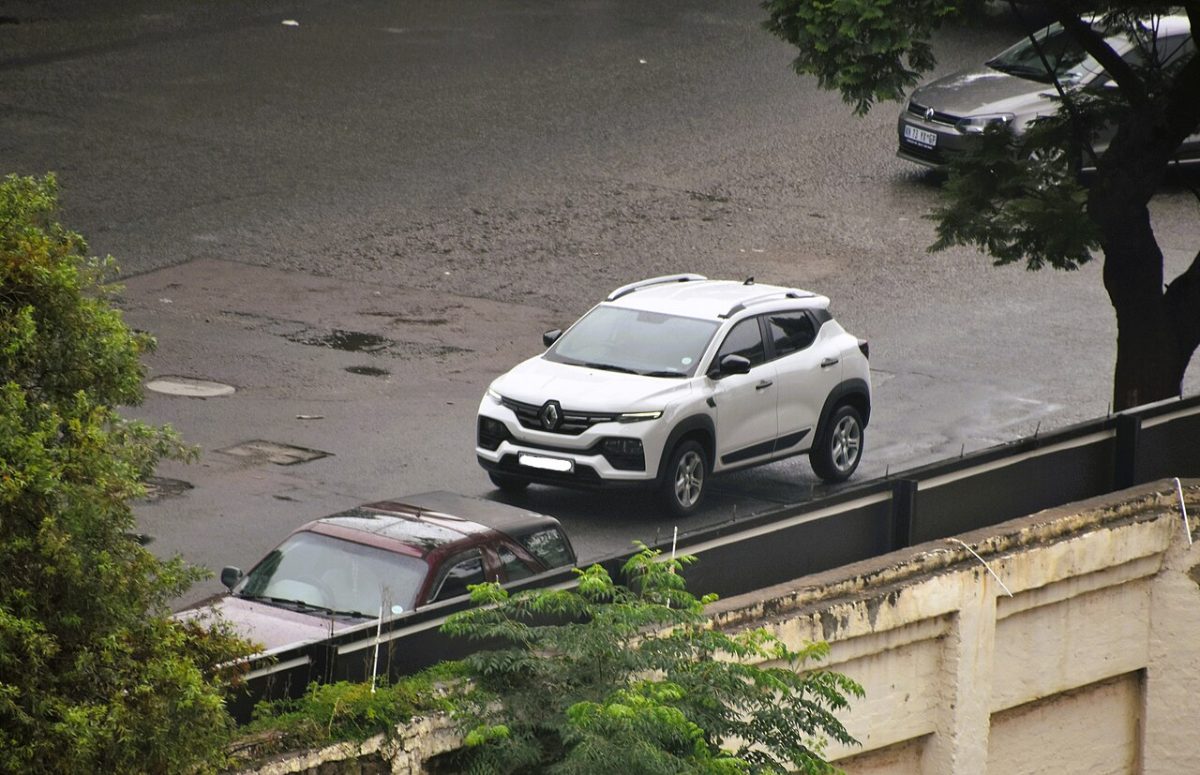
That is the normal pre-festive stocking, and Nissan itself cited festive inventory build-up. The comfort is that retail grew faster than wholesale, 115% against 100%. The risk is that if Navratri and Diwali sales disappoint, those extra cars become October discounts. For buyers, a brand with heavier dealer stock is usually the one more willing to negotiate, so Nissan showrooms are the ones to test in October. We tracked the earlier surge in Nissan’s sales jump report, and the same logic applies.
Renault: the balanced one
Renault dispatched 3,399 domestic units. Retail registrations were roughly 3,321 to 3,411, with one tracker showing a 33.1% gain on 2,562 a year earlier. The gap between the two numbers is under about 80 units either way.
Parity is the healthiest of the three patterns for a small brand. Dealers neither starve nor drown. The caveat is that Renault’s September wholesale is about 14% below its nine-month average of roughly 3,931 a month, which I calculated from 35,378 units over nine months. Balanced, but not yet at peak. A balanced channel also means fewer surprise discounts, so negotiate on accessories and exchange value rather than expecting a stock-clearance cut. Offers matter here, and our Renault offers guide explains what buyers can negotiate.
The market share calculation
Here is a calculation a spec-sheet rewrite will not give you. Add Honda, Renault, Nissan and Skoda Volkswagen on the AutoPunditz Vahan table: 5,283 plus 3,411 plus 2,967 plus 8,468 gives 20,129 registrations. The total market in that table is 420,359, so the four brands hold about 4.79%.
A year earlier the same four brands were 3,707 plus 2,562 plus 1,379 plus 7,440, which is 15,088 out of 318,907, or about 4.73%. Combined registrations rose roughly 33.4% while the market rose 31.8%.
In other words, the four smaller brands grew slightly faster than the market in total, but only just. Their combined share is essentially flat at between 4.7% and 4.8%. The doubling at Nissan and the 42.5% at Honda are offset by a slower Skoda Volkswagen group, whose own share slipped from about 2.33% to about 2.01%.
This matters because it separates headline growth from real gains. A brand can post a 115% rise and still hold well under 1% of the market. Nissan’s 2,967 registrations are about 0.71% of the table, up from about 0.43%. That is progress, but it is progress from a very small base.
Final Verdict
Retail vs wholesale September 2026 shows three brands in three different positions. Honda sold down stock and is under-stocked going into the festive weeks. Nissan loaded dealers by about 11% and needs its festive retail to justify it. Renault is balanced and waiting for its next product wave. My view: stop quoting wholesale growth rates as demand. Compare them with registrations before you draw a conclusion, because in September that comparison reversed the story for Honda.
Stay tuned and follow up for more.
What is the difference between retail and wholesale car sales in India?
Wholesale is the number of cars a manufacturer dispatches to its dealers. Retail is the number of cars actually registered by customers, usually measured through Vahan. The two can differ materially in any single month.
Which brand sold more than it dispatched in September 2026?
Honda. Domestic dispatches were 4,465 units, while Vahan-based trackers show roughly 5,045 to 5,283 registrations, so retail exceeded dispatches by roughly 580 to 820 units.
Which brand dispatched more than it sold in September 2026?
Nissan. Domestic wholesale was 3,300 units against roughly 2,942 to 2,967 registrations, a gap of about 330 to 360 units, consistent with festive stocking.
Why do Vahan trackers show slightly different numbers?
Trackers pull Vahan data at different times and with different coverage, so brand totals can differ by a few percent. This article therefore uses ranges and treats comparisons as directional.
Stay tuned and follow up for more.
