
Mahindra electric SUV 50000 sales India
Most Indian automakers said EVs wouldn’t work above ₹20 lakh. Mahindra just crossed 50,000 electric SUV sales in India in under a year, and the buyers didn’t feel like they were making a compromise.
More from us: Toyota Innova Crysta 2026 vs Kia Carens: Is the ₹9 Lakh Premium Actually Worth It?
Mahindra Didn’t Just Build EVs. It Changed What ₹25 Lakh Looks Like.
For the longest time, buying an electric car in India above ₹20 lakh felt like a strange transaction. You were paying a premium to drive something that looked ordinary, had range anxiety baked in, and carried none of the excitement that a petrol or diesel SUV at the same price would. Buyers accepted it as the cost of going green.
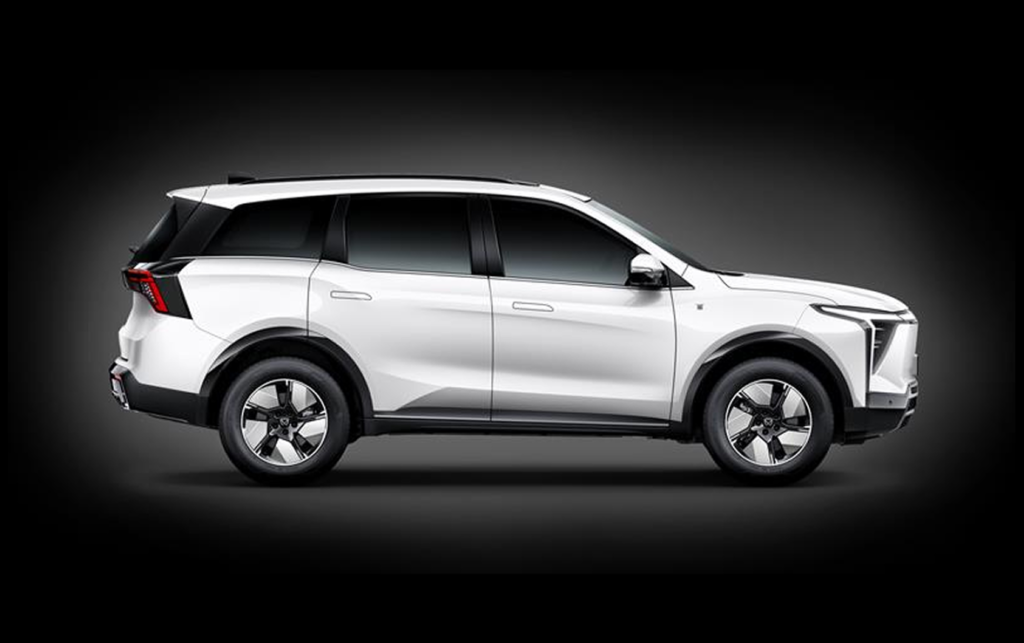
Mahindra looked at that market and decided to do something different. When the BE 6 and XEV 9e launched, they didn’t arrive as responsible choices or eco-friendly alternatives. They arrived as desirable cars. The XEV 9e, priced from ₹21.9 lakh, looks more aggressive and athletic than almost anything competing with it at that price point. Wide stance, coupe-like roofline, sharp LED lighting. It’s the kind of design that makes a petrol SUV buyer stop and look twice. That had never really happened in Indian EVs before.
The BE 6, starting at ₹18.9 lakh, followed the same philosophy. Bold, road-focused, and built on Mahindra’s INGLO platform with 59 kWh and 79 kWh battery options. These weren’t cars that looked like they needed to justify themselves. They just looked good.
The Numbers Make It Official
Crossing 50,000 unit sales across the BE 6, XEV 9e, and XEV 9S in under 12 months is not a small achievement, especially for born-electric SUVs priced between ₹18.9 lakh and ₹24 lakh. At peak demand, Mahindra was selling one electric SUV every 10 minutes. The first 30,000 units moved in just 7 months.
For context, this is the segment that many analysts said Indian buyers weren’t ready for. Premium EVs. Above ₹18 lakh. Without a known global EV brand behind them. Mahindra proved that argument wrong in a single financial year.
The Mahindra electric SUV 50,000 sales India milestone isn’t just a marketing number. It’s proof that Indian buyers will pay for the right electric product. Not any electric product. The right one.
An EV Lineup for Every Segment: That’s the Real Strategy
What separates Mahindra’s EV play from the competition is the range. Tata Motors built its EV dominance largely on the Nexon EV, a sub-₹20 lakh compact SUV. It worked well, but it left the premium segment open. Mahindra walked in and owned it.
At the same time, Mahindra hasn’t abandoned the entry-level buyer. The XUV400 continues to compete in the more affordable EV space. This means Mahindra now has an EV for someone spending ₹14 lakh and someone spending ₹25 lakh. That’s a lineup with no significant gap, and no other Indian brand has that right now. For anyone looking for the best electric SUV in India 2026 under ₹25 lakh, Mahindra now has a legitimate answer at every price point.
For a family in Hyderabad looking for a comfortable urban EV under ₹20 lakh, there’s an option. For a buyer in Bengaluru who wants something that turns heads on Outer Ring Road and has the range to do a weekend trip to Mysuru, the XEV 9e or XEV 9S covers that too. Mahindra isn’t chasing one type of EV buyer. It’s going after all of them simultaneously.
What This Means for Indian Buyers
The 50,000 milestone changes the conversation around Indian EVs in one important way: Mahindra has now established that premium electric SUVs have a real, paying market in India, not just aspiration. That should push every other brand in this space to raise their game.
The Mahindra EV vs Tata EV conversation has changed permanently. Tata built its EV lead on volume at the ₹12 to 18 lakh price band. Mahindra just proved the ₹18 to 25 lakh band is equally real. If Mahindra continues scaling and brings the XEV 7e into the lineup, Tata will be fighting for space on both flanks.
For Indian buyers, more competition at this level means better products, more realistic pricing, and faster infrastructure development. Mahindra’s milestone is good news even for buyers who aren’t planning to buy a Mahindra.
Final Verdict: Our Take
The Mahindra electric SUV 50,000 sales India milestone is one of the most significant moments in Indian automotive history in the last five years. Not because the number is huge in absolute terms, but because of what the number proves. Indian buyers will spend ₹20 lakh and above on a locally built electric SUV if it looks good, performs well, and doesn’t ask them to lower their expectations.
The XEV 9e and BE 6 didn’t succeed by being sensible. They succeeded by being genuinely exciting, and that’s a template the entire Indian EV industry needs to learn from. Mahindra didn’t tell buyers to adjust to EVs. It built EVs that buyers actually wanted.
That’s why this milestone matters.
