
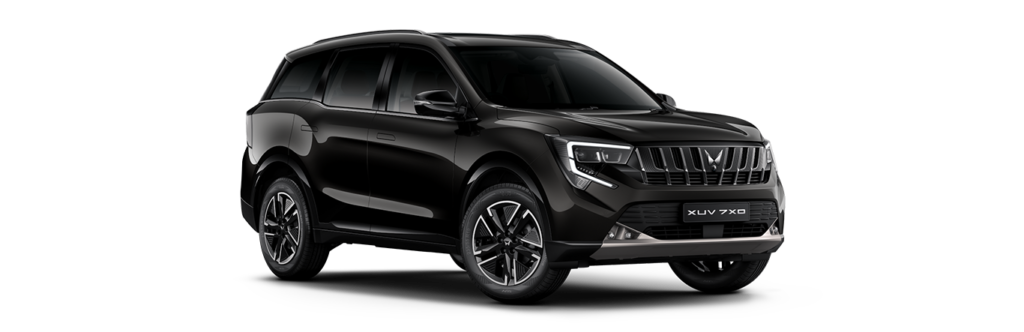
XUV700 vs Safari 2026
If you’re looking at a 7-seater SUV in India in 2026, you’re not just buying a car, you’re choosing how your family will travel for the next 5 to 10 years.
And that’s exactly why the comparison between the Mahindra XUV700 and the Tata Safari is far more complex than it appears.
At a surface level:
- Both are similarly priced
- Both offer diesel engines
- Both are positioned as premium family SUVs
But underneath that, they solve very different problems.
- XUV700 is built around technology and performance
- Safari is built around comfort and long-distance usability
The real mistake most buyers make is comparing specs instead of understanding how these SUVs behave after 1 year of ownership.
Also read about Hyundai Creta vs Kia Seltos.
Driving Experience — Power vs Predictability
This is where the difference becomes immediately noticeable.
Mahindra XUV700
- More powerful engine
- Faster acceleration
- Feels lighter and more responsive
- Better for highway overtakes
But:
- Can feel slightly aggressive for relaxed driving
- Not always the most comfortable in slow city traffic
Tata Safari
- Smoother, more linear power delivery
- Less aggressive acceleration
- More predictable in traffic
What this means in real life:
- XUV700 impresses you on a test drive
- Safari grows on you over time
And that’s a critical distinction.
Ride Quality — The Hidden Factor That Defines Ownership Satisfaction
Most buyers underestimate this, but ride quality becomes the most important factor after purchase.
Safari Advantage
- Softer suspension tuning
- Absorbs bad roads better
- Less fatigue on long drives
- Better third-row comfort
XUV700 Trade-Off
- Slightly firmer setup
- Better handling at speed
- But more noticeable bumps in city conditions
For Indian roads, especially with family usage, this difference becomes significant over time.
Interior Experience — Feature-Rich vs Emotionally Comfortable
XUV700 Interior
- Feels modern and tech-heavy
- Dual screens create a premium impression
- Appeals strongly in showrooms
But:
- Can feel slightly “busy” over time
Safari Interior
- More traditional layout
- Focus on space and comfort
- Feels calmer and more relaxed
This is where buyer psychology plays a role:
- XUV700 wins the first impression
- Safari wins the long-term comfort test
Third Row — Where Most Comparisons Fail
Most articles ignore this, but for a 7-seater, this matters.
Safari
- More usable third row
- Better headroom and knee room
- Suitable for adults on longer trips
XUV700
- Third row is tighter
- Better for occasional use
If you actually plan to use all 7 seats regularly, Safari is the smarter choice.
Ownership Reality — What Happens After 2 Years
This is where the biggest difference emerges.
XUV700
- More electronics → higher complexity
- Potential long-term maintenance concerns
- Software-heavy experience
Safari
- Simpler overall experience
- More predictable ownership
- Easier to live with long-term
This is not about reliability alone, it’s about mental peace.
Who Will Regret Their Choice?
This is where clarity comes in.
You may regret XUV700 if:
- You prioritize comfort over features
- You drive mostly in the city
- You don’t fully use its performance
You may regret Safari if:
- You want the latest tech
- You enjoy driving aggressively
- You expect quick acceleration
FAQs
Q1. Which SUV is better for long drives?
Safari, due to better comfort and ride quality.
Q2. Which SUV is more powerful?
XUV700.
Q3. Which is better for families?
Safari, especially for 6–7 passengers.
Q4. Which has better features?
XUV700.
Final Verdict
The Mahindra XUV700 is the better SUV on paper. It offers more power, more features, and a more modern driving experience.
But the Tata Safari is the better SUV in real life for most families. It focuses on comfort, usability, and long-term satisfaction — things that matter far more after the initial excitement fades.
If you want a car that impresses you today, choose the XUV700.
If you want a car that keeps you happy for years, choose the Safari.
Author: Manav Akbari
