
MG Windsor EV vs Nexon EV 45 2026
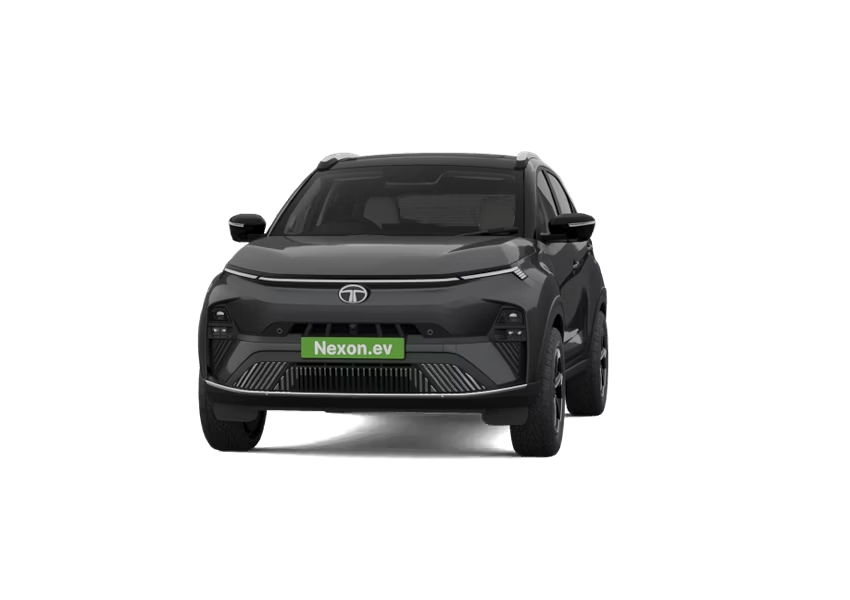
Two electric cars. Both priced around Rs 12.5 to 15 lakh. Both fighting for the same buyer’s wallet. The MG Windsor EV vs Nexon EV 45 2026 debate has never been closer, or more worth having, than it is right now.
If you’ve been circling the idea of buying your first electric car in India this year, there’s a very good chance your shortlist has already narrowed to these two. The Tata Nexon EV 45 starts at Rs 12.49 lakh (ex-showroom) and goes up to Rs 17.49 lakh. The MG Windsor EV starts at Rs 14 lakh and tops out at Rs 18.50 lakh in the Essence Pro variant. Both live in the same bracket, target the same urban buyer, and get compared in every second YouTube video in the Indian EV space. So let’s cut through the noise.
Also read about the Kia Seltos’ and Creta’s Sales.
The Sales Story: What India Is Actually Choosing
April 2026 EV numbers from the passenger vehicle segment give us a useful reality check. Tata Motors sold 8,543 EV units in April alone, a 77.2 percent jump year-on-year, with the Nexon EV remaining one of its core volume drivers. MG, meanwhile, sold 4,978 EV units in the same month. The Windsor EV has been a significant contributor to that number, but the gap with Tata is meaningful.
Does this make the Nexon EV the automatic winner? Not quite. Sales numbers tell you what most people are buying, they don’t always tell you what’s best for your specific use case. Let’s go deeper.
Real-World Range: Where Both Cars Actually Stand
This is the most important number for any EV buyer, and it’s where the MG Windsor EV vs Nexon EV 45 2026 debate gets genuinely interesting.
Autocar India’s exhaustive real-world range tests (conducted on comparable variants) found that the MG Windsor 38kWh achieved 327 km in city conditions and 289 km on the highway, averaging 308 km on a single charge. The Tata Nexon EV 45 achieved 355 km in city driving and an impressive 345 km on the highway, averaging 350 km per charge. The Nexon’s 45kWh battery gives it a 7kWh capacity advantage, and in the real world, that translates to roughly 42 km of extra range per charge.
For a buyer doing a 70 km daily round trip in Ahmedabad or Hyderabad, both cars are more than sufficient. But if your route includes a regular 250 km highway run, say Pune to Nashik or Delhi to Chandigarh, that 42 km difference starts to matter more than the price gap.
Cabin Space and Comfort: Windsor’s Strongest Card
This is where the MG Windsor EV punches decisively above its price. The Windsor’s lounge-style rear seating is one of the most genuinely comfortable rear-seat experiences you’ll find under Rs 18 lakh in India, EV or otherwise. The panoramic glass roof, 15.6-inch touchscreen, and the almost sedan-like recline of the rear seats make it feel like a premium product that’s been slightly mis-priced for the Indian market. That’s a good thing if you’re the buyer.
The Nexon EV 45, by comparison, has a more compact rear cabin. It’s not uncomfortable, but if you’re a family of four doing regular highway trips, the Windsor will feel noticeably more relaxing for rear-seat occupants. The Nexon makes up for this with a more car-like driving experience, it’s tighter, more responsive, and feels more engaging to drive than the Windsor’s deliberately relaxed character.
Charging and Running Costs: The Real Ownership Picture
The Nexon EV 45 charges from 10–100 percent in roughly 56 minutes on a 7.2kW AC charger (top variant). The Windsor 38kWh takes around 80 minutes on the same charger. On DC fast charging, the Nexon is also quicker by about 5 minutes. For someone relying on public chargers or a home wallbox, this difference adds up over months of ownership.
On running costs, both cars are similarly inexpensive to run, expect Rs 1.2 to Rs 1.5 per km in electricity costs, versus Rs 7–9 per km for a comparable petrol SUV. The Windsor’s Battery-as-a-Service (BaaS) model, which allows you to buy the car without the battery and pay a per-km rental instead, is a unique financial option, but most buyers in 2026 are opting for outright ownership and the BaaS appeal has narrowed since MG expanded the Windsor Pro lineup.
The Indian Buyer Scenario That Decides This
Picture a government employee in Lucknow buying their first EV. Budget is firm at Rs 15 lakh on-road. Their daily commute is 45 km. They charge at home overnight with a standard 15A socket (they’ll upgrade to a wallbox later). Passengers, usually their spouse and two children, sit in the back for weekend trips.
For this buyer, the MG Windsor EV is the better pick. The rear-seat space is genuinely superior, the ownership costs are comparable, and at Rs 14–15 lakh, the Windsor’s feature set is hard to argue with. The charging speed gap matters less when you’re plugging in every night.
Now change the scenario: a software professional in Bengaluru doing highway drives twice a month, Bengaluru to Mysuru, or Bengaluru to Coimbatore. Solo driver most of the time. Budget up to Rs 17 lakh. For them, the Nexon EV 45 ADAS variant at Rs 17.29 lakh is the smarter call, better range, faster charging, and a far more engaging drive on the highway.
Our Opinionated Take
The MG Windsor EV is underrated, and the Nexon EV is slightly overrated in casual conversation. The Windsor gives you a genuinely premium rear-seat experience and smart pricing for a family car, if range anxiety isn’t your primary concern. The Nexon, however, remains the more well-rounded car for buyers who drive solo, cover more highway distance, or simply want the better-supported brand ecosystem in Indian service infrastructure. Tata’s service network is wider, its EV track record is longer, and the Nexon EV’s 77 percent YoY sales jump suggests the market agrees.
Neither choice is wrong. But the MG Windsor EV vs Nexon EV 45 2026 question has a correct answer depending on who you are, and we hope this breakdown helps you figure that out before walking into a showroom.
Final Verdict / Our Take
Buy the MG Windsor EV if: you prioritise rear-seat comfort, have a predictable daily commute under 200 km, and want a lounge-like car at a reasonable price.
Buy the Tata Nexon EV 45 if: you’re a frequent highway traveller, value faster charging and a longer real-world range, or simply want the peace of mind that comes with Tata’s established EV service infrastructure across India.
In 2026, both are good choices. The market will tell you the Nexon is safer. Your back-seat passengers may tell you the Windsor is smarter.
Frequently Asked Questions (FAQs)
Q1. Is MG Windsor EV or Tata Nexon EV 45 better for first-time EV buyers in India in 2026?
For most first-time buyers, the MG Windsor EV vs Nexon EV 45 2026 choice depends on driving habits. The Windsor suits city-heavy buyers who prioritise cabin space. The Nexon EV 45 is better for those who cover longer distances and want faster charging and superior real-world range.
Q2. What is the real-world range of the MG Windsor EV and Tata Nexon EV 45?
In real-world tests by Autocar India, the MG Windsor 38kWh averaged 308 km per charge, while the Tata Nexon EV 45 averaged 350 km. The Nexon has a larger battery and charges faster on both AC and DC chargers.
Q3. Is the MG Windsor EV reliable for long highway trips in India?
The Windsor EV is primarily designed as a city car and performs well within its 300 km real-world range. For regular highway trips exceeding 250 km, the Nexon EV 45 offers more comfort due to its longer range and faster DC fast charging support.
Q4. Which EV has better after-sales service — MG Windsor or Tata Nexon EV?
Tata Motors has a significantly wider service network across India, including Tier 2 and Tier 3 cities. MG’s service reach is improving but still concentrated in metros and larger cities. For buyers outside major urban centres, the Nexon EV’s service advantage is meaningful.
— Manav Akbari, TheWheelFeed
