
Upcoming Electric SUVs in India 2026
The Indian automotive market is going through one of its biggest transformations in decades, and electric SUVs are at the center of this shift. What started with a few early models has now turned into a full-scale transition, with almost every major manufacturer preparing to launch new electric vehicles.
For buyers in 2026, this creates a serious dilemma, should you buy an EV now or wait for upcoming models?
The problem is that waiting always sounds like the smarter choice. Newer cars promise better range, improved technology, and more features. But the reality is more complicated.
Not every upcoming EV will be a game-changer, and not every current EV is outdated. The key is to understand which upcoming electric SUVs are genuinely worth waiting for and which ones are just incremental upgrades.
Also read about the XUV700 vs Safari.
Why 2026 Is a Critical Year for EV Launches
Several factors are driving this wave of new EV launches:
- Increasing fuel prices pushing buyers towards alternatives
- Government incentives supporting EV adoption
- Rapid improvement in battery technology
- Growing charging infrastructure across cities
More importantly, competition is intensifying. Brands can no longer rely on just “being electric”, they now need to offer real value.
Top Upcoming Electric SUVs to Watch
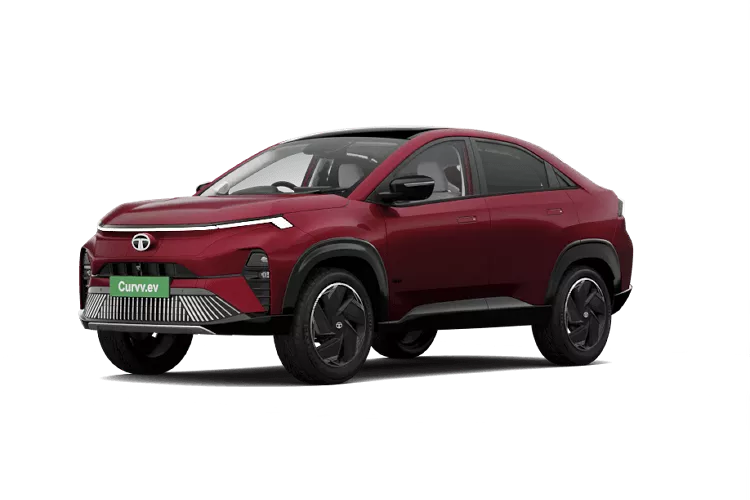
Tata Curvv EV
- Expected to build on Tata’s EV success
- Coupe-style SUV design
- Likely to offer improved range and modern features
The Curvv EV is important because it represents Tata’s next step beyond the Nexon EV, more premium, more refined, and more design-focused.
Mahindra BE Series (BE.05 and others)
- Completely new EV platform
- Focus on performance and futuristic design
- Strong emphasis on software and connected tech
Mahindra is aiming to reposition itself as a serious EV player, not just a follower.
Hyundai Creta EV
- Based on India’s most popular SUV platform
- Likely to combine familiarity with electric efficiency
- Strong potential to become a mass-market EV
If priced correctly, this could become a segment disruptor.
Maruti eVX
- First serious EV from Maruti Suzuki
- Expected to focus on practicality and affordability
- Backed by Maruti’s service network
This is a crucial launch because Maruti’s entry could accelerate EV adoption significantly.
Toyota Urban EV
- Likely to share platform with Maruti eVX
- Focus on reliability and hybrid-to-EV transition
Toyota’s strength lies in trust and long-term durability.
Should You Wait or Buy Now?
This is where most buyers get stuck.
You should wait if:
- You are not in urgent need of a car
- You want the latest technology
- You are willing to take some risk with new products
You should buy now if:
- Your usage is immediate
- Current EV options already meet your needs
- You prefer proven products
Waiting is only beneficial if the upcoming product actually solves a problem you have today.
The Hidden Risk of Waiting
Most buyers don’t consider this:
- New EVs often come with initial issues
- Real-world performance takes time to validate
- Pricing may be higher than expected
So while waiting sounds smart, it can also delay your decision unnecessarily.
FAQs
Q1. Should I wait for new EV launches in 2026?
Only if you are not in urgent need and want latest tech.
Q2. Which upcoming EV is most promising?
Tata Curvv EV and Hyundai Creta EV.
Q3. Will EV prices drop in 2026?
Not significantly in the short term.
Q4. Are current EVs outdated?
No, they are still practical for most users
Final Verdict
The EV market in 2026 is evolving rapidly, but not every upcoming launch will be a breakthrough. While new models bring excitement, current EVs already offer enough capability for most buyers.
The smartest approach is not to wait blindly, but to evaluate whether upcoming vehicles genuinely offer something that current models lack.
If your needs are already met, buying now is often the better decision.
Author: Manav Akbari
