
Maruti Brezza facelift 2026 turbo
Also visit the official website of Maruti Suzuki
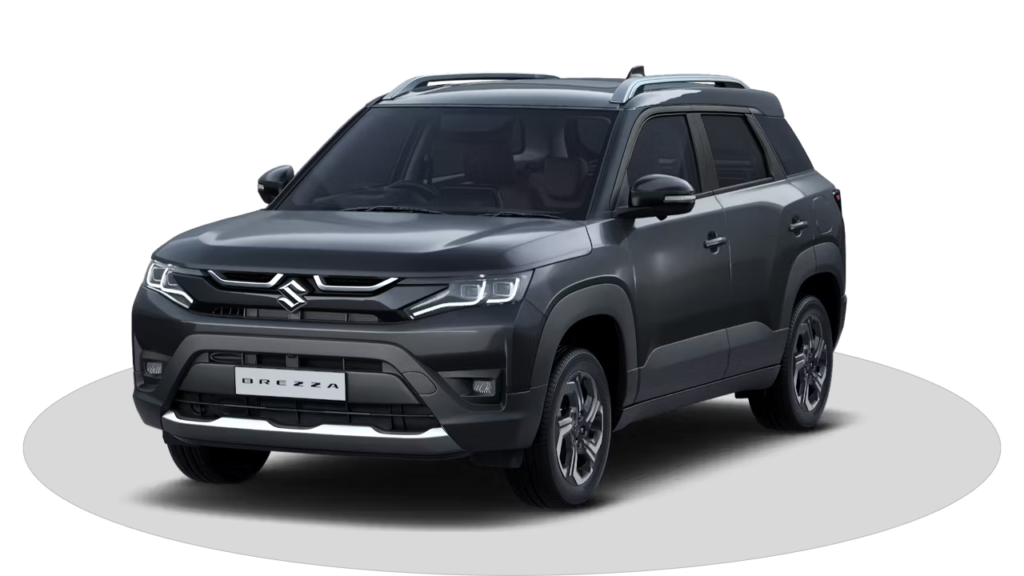
The current-generation Maruti Brezza, on sale since 2022, is set for a mid-lifecycle update in the latter half of July 2026, and the headline change isn’t the revised bumpers or the larger 10.1-inch touchscreen. It’s the expected addition of a turbo-petrol engine for the first time in the Brezza’s history, likely the 1.0-litre three-cylinder Boosterjet unit from the Fronx, producing 100hp and 148Nm.
More from us: Best Electric Car Under 15 Lakh India 2026: What Actually Makes Sense to Buy
Why the Turbo Matters More Than Cosmetics
The current Brezza runs a 103hp, 137Nm naturally aspirated 1.5-litre engine that’s always felt a step behind rivals like the Seltos and Creta in outright drivability. A turbo option fundamentally changes how the car feels to drive day to day.
The CNG Question
Reports suggest the new Brezza could get a Victoris-like underbody CNG tank setup, freeing up boot space that current CNG variants sacrifice.
What Stays the Same, and Why That’s Fine
This is a mid-cycle update, not a generation change, so the core platform, safety architecture, and overall dimensions remain untouched. The current Brezza’s fundamentals were never the problem, the powertrain and infotainment were.
What This Means for Indian Buyers
If you’ve been holding off on a Brezza specifically because it felt underpowered next to the competition, this update is worth waiting for rather than buying the outgoing naturally aspirated version at a discount now.
How It Stacks Up Against the Segment
On paper, 100hp and 148Nm from the turbo triple doesn’t sound dramatically higher than the outgoing 103hp naturally aspirated engine, and it isn’t, on peak numbers. What changes is where that power arrives. Turbo torque comes in low and stays flat across the rev range, which is what actually matters in Indian driving conditions, stop-start traffic, overtaking on two-lane highways, and climbing ghats with a full car. The current Brezza’s biggest complaint has never been top-end power, it’s been that flat, tired feeling at low revs, and that’s precisely what a turbo motor fixes.
Against the segment, this brings the Brezza meaningfully closer to the Kia Seltos and Hyundai Creta’s turbo variants in outright drivability, though both rivals still offer more powerful turbo options further up their range. The realistic comparison point is the Skoda Kushaq and Volkswagen Taigun’s 1.0 TSI variants, similar displacement, similar power delivery philosophy. If Maruti prices this variant sensibly, expect it to undercut both by a meaningful margin while closing most of the driving experience gap, which is exactly the kind of update that shifts cross-shopping behaviour in Maruti’s favour.
Fuel efficiency is the other side of this equation. Turbo-petrol engines in this segment typically trade a couple of kilometres per litre versus their naturally aspirated counterparts under real-world driving, though the gap narrows considerably on the highway where the turbo isn’t working as hard to maintain speed. If your daily driving is mostly city stop-start traffic, the CNG variant remains the more economical choice regardless of which petrol engine sits under the hood. The turbo option makes the most sense for buyers who value driving feel on highway stretches and don’t put enough kilometres on the odometer for fuel costs to be the deciding factor.
Final Verdict
This facelift fixes the Brezza’s most legitimate weakness. A turbo engine option, paired with a larger touchscreen and CNG improvements, moves it from “decent but underpowered” to a genuinely competitive compact SUV.
When is the Maruti Brezza facelift launching in 2026?
The Brezza facelift is expected in the latter half of July 2026.
Will the new Brezza get a turbo engine?
Yes, reports suggest it will likely get the 1.0-litre three-cylinder Boosterjet turbo-petrol engine from the Fronx, producing 100hp and 148Nm, alongside the existing naturally aspirated option.
What else is changing in the Maruti Brezza facelift?
Revised bumpers, new alloy wheels, a larger 10.1-inch infotainment touchscreen, and possibly a Victoris-style underbody CNG tank setup.
Should I wait for the new Brezza or buy the current model now?
If engine performance and CNG boot space matter to you, it’s worth waiting for the facelift rather than buying a discounted outgoing unit.
Stay tuned and follow up for more.
