
EV vs petrol car for daily use India
Introduction
Let’s make this simple.
If you’re driving around 40 km every day in an Indian city, you are exactly the kind of buyer the EV industry is targeting right now. Predictable usage, heavy fuel bills, stop-go traffic, on paper, this is the perfect EV use case.
But here’s the problem.
What looks perfect on paper doesn’t always work in real life.
Because when you move from petrol to electric, you’re not just changing how you fuel your car, you’re changing how you think about using it. Charging replaces refueling. Planning replaces spontaneity. And convenience starts depending on infrastructure, not just your wallet.
That’s why the EV vs petrol car for daily use India debate is so divided.
Some owners swear they’ll never go back to petrol. Others regret switching within months. The difference isn’t the car, it’s how well the car matches the owner’s daily reality.
So if you’re someone doing 40 km a day, here’s the honest breakdown, no hype, no blind EV praise, no outdated petrol bias.
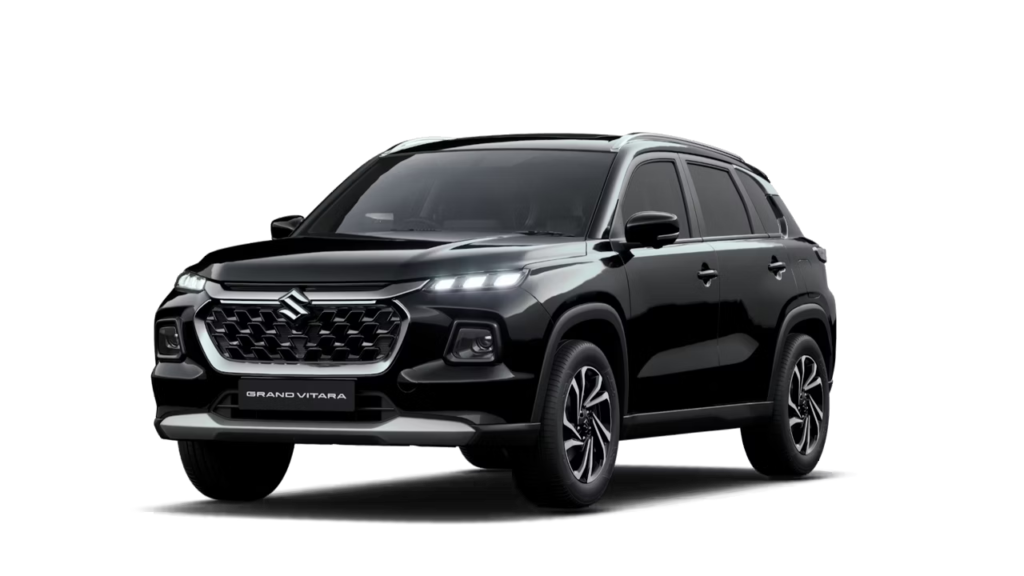
Also read about the Top 5 Feature-Packed Cars Under ₹10 Lakh.
What 40 km daily usage actually means in India
- A 40 km daily run typically translates to around 1,200 km per month, which is considered moderate-to-high usage.
- Fuel costs become a major part of monthly expenses at this level of driving.
- Stop-go traffic in cities like Ahmedabad, Mumbai, or Bangalore reduces petrol efficiency significantly.
- EVs perform best in such conditions due to regenerative braking and consistent power delivery.
- Predictable routes make charging routines easier to manage.
- This usage pattern is where cost savings from EVs start becoming noticeable within months.
Running cost comparison that actually matters
- Petrol cars typically cost around ₹7–₹8 per kilometre in city conditions today.
- For 1,200 km per month, that translates to roughly ₹8,000–₹10,000 in fuel expenses.
- EVs, when charged at home, cost around ₹1.5–₹2 per kilometre.
- That brings monthly running cost down to roughly ₹2,000–₹2,500.
- Over a year, the difference can easily cross ₹70,000–₹90,000.
- Over 5 years, the savings become significant enough to offset the higher purchase cost of an EV.
Upfront cost and EMI pressure
- Petrol cars are significantly cheaper to buy, often by ₹4–6 lakh compared to EVs in the same segment.
- This difference directly impacts EMI, increasing monthly financial pressure for EV buyers.
- Lower upfront cost makes petrol cars easier to finance and more accessible.
- EV buyers need to think long-term to justify the higher initial investment.
- Government subsidies and state incentives can reduce the price gap, but not eliminate it completely.
- For many buyers, affordability today still matters more than savings tomorrow.
Daily convenience and lifestyle adjustment
- Petrol cars require zero lifestyle changes, you refuel in minutes and continue as usual.
- EV ownership requires setting up a charging routine, especially if you rely on home charging.
- Charging overnight works well for most city users, but it requires discipline.
- Public charging is improving but still inconsistent in many areas.
- Apartment residents may face challenges installing private chargers.
- Convenience is where petrol still holds a clear advantage for many users.
Driving experience in city conditions
- EVs feel quicker and smoother in traffic due to instant torque and no gear shifts.
- Stop-go driving becomes less tiring in an EV compared to petrol cars.
- Petrol engines still offer a familiar and predictable driving feel.
- EVs are quieter, which improves comfort but may feel unusual initially.
- Acceleration in EVs feels more responsive, especially in short bursts.
- For daily commuting, EVs offer a more relaxed driving experience overall.
Range anxiety vs real-world usage
- A typical EV offers 250–400 km of real-world range, depending on the model.
- With a 40 km daily run, most EVs need charging only once every 4–5 days.
- Range anxiety is more psychological than practical in city usage scenarios.
- Long trips still require planning, which can be inconvenient.
- Petrol cars offer complete freedom without worrying about range.
- For purely city-based users, EV range is more than sufficient.
Maintenance and long-term ownership
- EVs have fewer moving parts, resulting in lower maintenance costs.
- Petrol cars require regular servicing, including oil changes and engine maintenance.
- EV service costs are generally lower, but service networks are still evolving.
- Battery health becomes a long-term concern for EV owners.
- Petrol cars have a proven reliability track record over decades.
- EV ownership is cheaper to maintain but requires trust in newer technology.
Real-world ownership challenges nobody talks about
- Power cuts or inconsistent electricity supply can affect EV charging routines.
- Charging speed varies depending on infrastructure and charger type.
- Resale value of EVs is still uncertain compared to petrol cars.
- Insurance costs for EVs can be slightly higher due to battery coverage.
- Petrol cars are easier to repair in smaller towns and remote areas.
- EV buyers need to be more aware and involved in ownership decisions.
Who should choose an EV in this scenario
- Daily commuters with predictable driving patterns.
- Buyers with access to home charging facilities.
- People planning long-term ownership of 5 years or more.
- Users who want to reduce monthly fuel expenses significantly.
- Buyers comfortable adapting to new technology and routines.
- Urban drivers who rarely take long highway trips.
Who should stick to petrol
- Buyers without reliable charging access.
- People who frequently travel long distances without planning.
- Users who prioritise convenience over cost savings.
- Buyers with tight budgets who cannot afford higher upfront costs.
- People living in areas with weak EV infrastructure.
- Users who prefer a traditional ownership experience.
FAQs
Is EV cheaper than petrol for daily use in India?
Yes, significantly cheaper in terms of running cost, especially for city driving with home charging.
Can I rely on EV for 40 km daily commute?
Yes, this is one of the most ideal use cases for EV ownership in India today.
What if I don’t have home charging?
It becomes less convenient and reduces cost benefits, making petrol a better option in such cases.
How long does it take to recover EV cost difference?
Typically 4–6 years depending on usage, fuel prices, and electricity costs.
Final Verdict
If you drive 40 km daily and can charge at home, an EV is not just a smart choice, it’s the smarter one. But if charging feels like a complication or your usage isn’t predictable, petrol still wins on simplicity. This isn’t about technology. It’s about how you live with your car every single day.
Author: Manav Akbari, TheWheelFeed
