
Skoda Volkswagen India September 2026 sales
Also visit the official website of Skoda Auto Volkswagen India
Skoda Volkswagen India September 2026 sales were about 8,400 units on the Vahan retail count, up roughly 13.8% from a year ago and up about 8% on August. The AutoPunditz Vahan table lists the combined figure at 8,468, while carhp shows 8,407. The two trackers differ by only about 60 units, so the direction is not in doubt.
This article is about retail only, and I want to be upfront about that. Skoda and Volkswagen publish wholesale dispatches, but I could not find a verified September model-wise breakup when writing, so I will not guess at one. What I can do is show what the retail number says, and why the real story is how much of the group rides on one car.
The September retail number in context
Retail means registrations at RTOs, which is what customers actually took delivery of. Skoda and Volkswagen are reported together in the Vahan tables because they share an Indian entity, so one number covers both brands, from the Kylaq to the Virtus.
At roughly 8,400 units, the combined group is the seventh largest in the table, behind Maruti Suzuki, Mahindra, Tata, Hyundai, Toyota and Kia, and ahead of MG, Honda, Renault and Nissan. The +13.8% year-on-year gain is solid, but it is well below the 31.8% that the whole market grew in the same table.
That gap is the first insight. The group grew, but it lost share. Last September the group held 7,440 of 318,907 registrations, about 2.33%. This September it held 8,468 of 420,359, about 2.01%. A third of a percentage point of the market has gone elsewhere in a year.
Why the Kylaq decides everything
The wholesale data we do have shows how concentrated Skoda’s business is. In July 2026 Skoda India dispatched 5,709 units, of which the Kylaq was 3,727, or about 65.3%, per the Rushlane July breakup. In August, per Rushlane, Skoda dispatched 5,650 units with the Kylaq at 3,590, roughly 64%. Some reports still quote 4,971 and 3,099 for August, but those are the August 2025 figures.
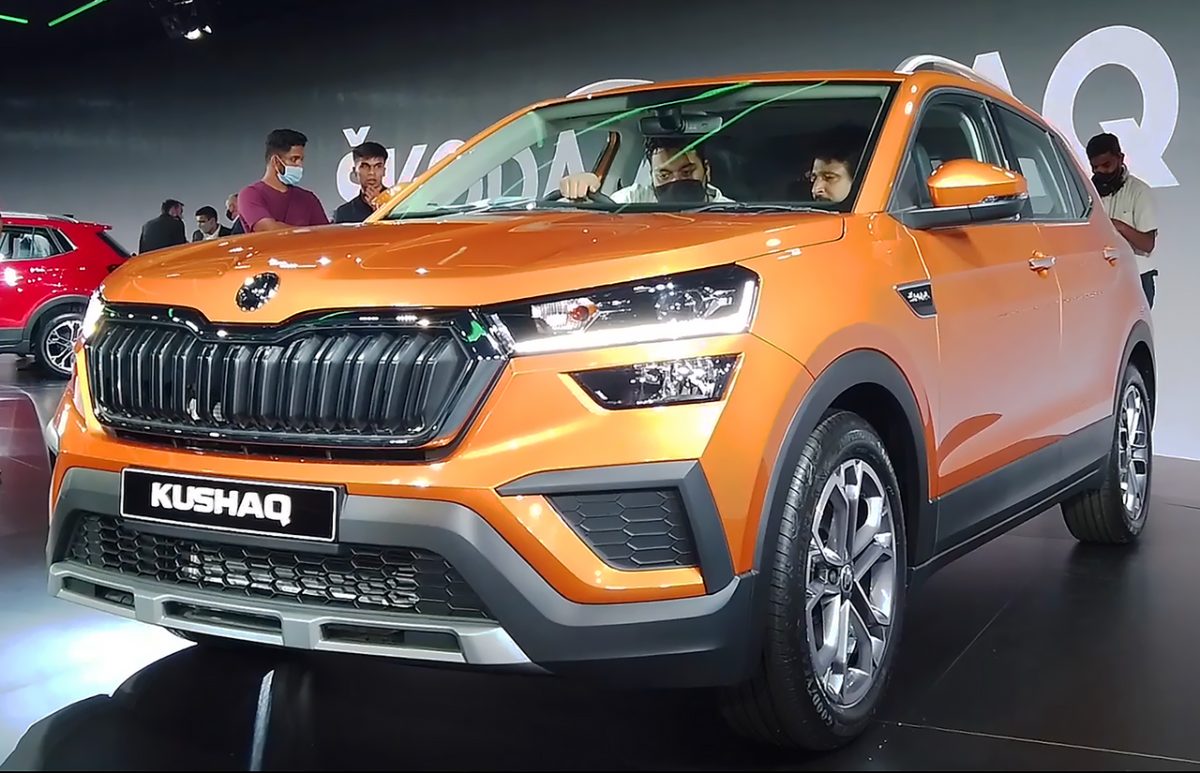
Those are wholesale numbers, so keep them separate from the retail total above. They tell us the Kylaq is close to two thirds of Skoda’s volume month after month. The Slavia was 993 and the Kushaq 833 in July, and the Kodiaq was 156. The sedan and the midsize SUV combined sell less than half of what the compact SUV does.
That is a risk and an opportunity. The risk is that any slowdown in the sub-four-metre segment hits the brand disproportionately. The opportunity is that the Kylaq proves Skoda can win volume when the price is right, and that is the standard the Kushaq and Slavia now have to be measured against.
The Volkswagen side of the ledger
Volkswagen’s problem is different: its two core cars were both selling less than a year earlier. In July, VW India dispatched 2,715 units, down 15.5% year on year, with the Virtus at 1,420 and the Taigun at 1,225. The Tayron added 45 and the Tiguan 23.
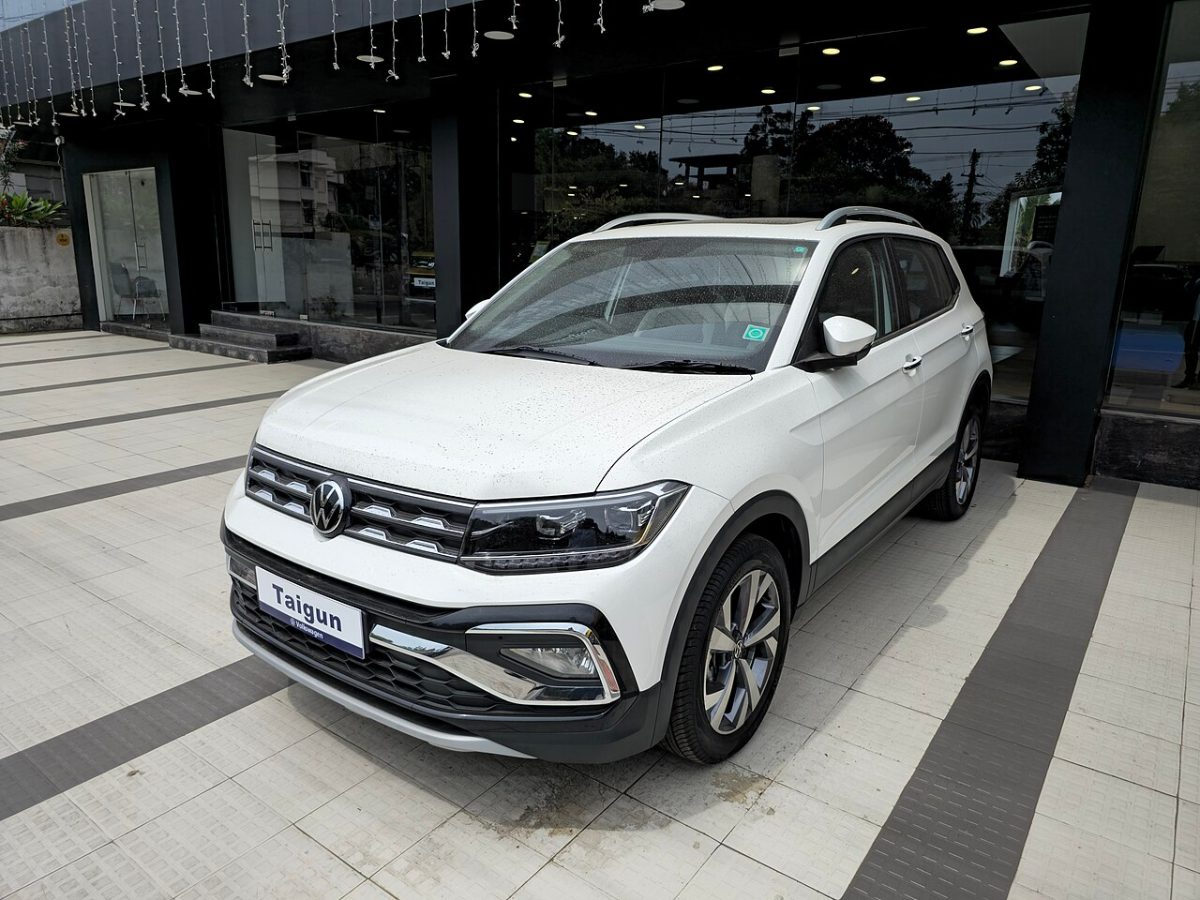
Our own Taigun popularity report looked at why that SUV still anchors the brand. The Taigun facelift, which we covered in our launch report, is the obvious lever for reversing that decline.
Note that July is a wholesale figure and September is a retail figure, so I am not comparing them. The July numbers are there to show the mix, not the trend.
The October 1 price increase
There is one more number that matters for buyers. Skoda announced a price increase of up to 1.2%, capped at ₹20,000, effective October 1, 2026, across its range including the Kylaq, Kushaq, Slavia, Kodiaq, Octavia RS and Kodiaq RS. The company cited rising input and operating costs.
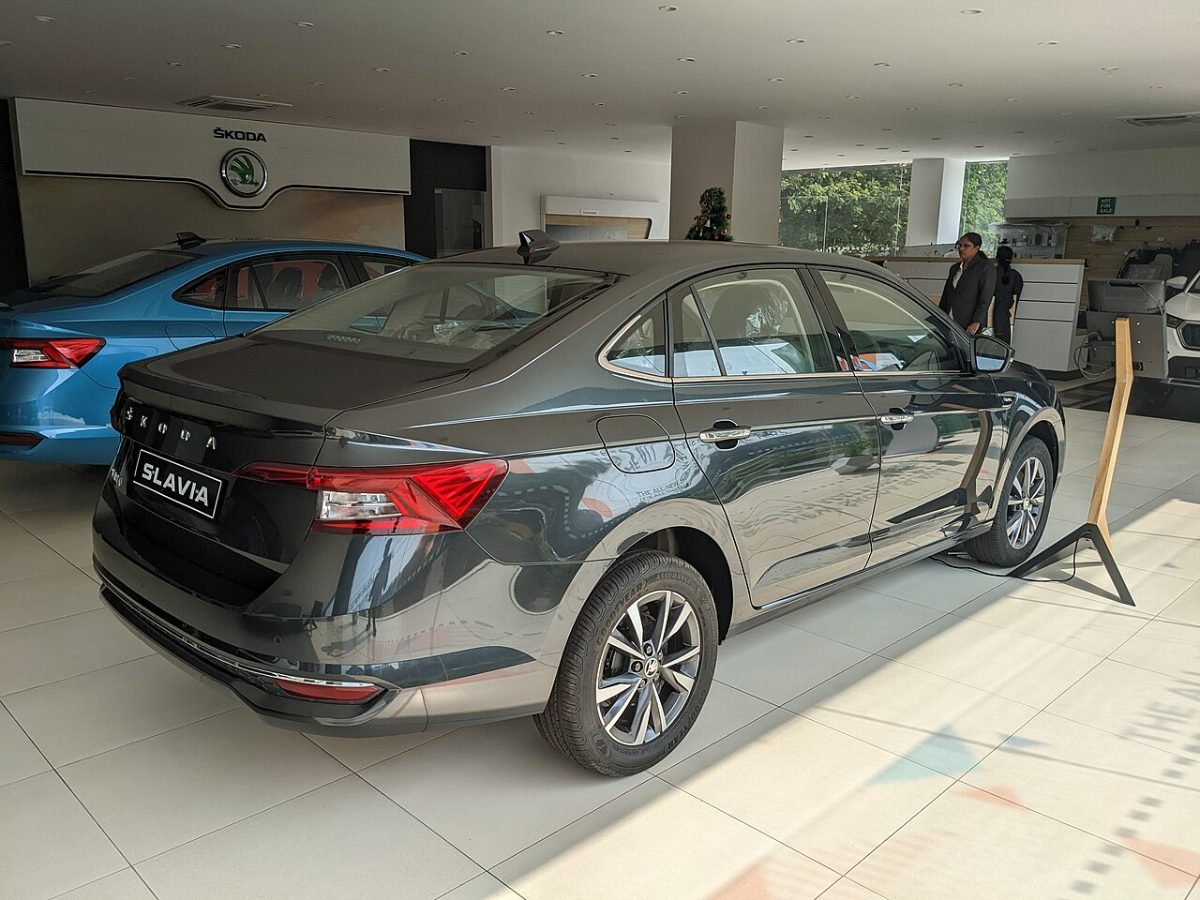
On a Kylaq, a 1.2% increase is small money. The more interesting question is whether Skoda would raise prices on its best seller if it were short of demand. A price increase before the festive season suggests confidence that the Kylaq can absorb it, though it also narrows the gap to rivals.
If you were planning to buy a Skoda in October, ask your dealer whether the car is invoiced before or after the revision, since a delivery slip can cost you up to ₹20,000.
What the group needs from here
The group’s retail trend is positive, but share is slipping. To reverse that, Skoda needs more than the Kylaq: the Kushaq facelift and the Taigun facelift need to widen the base, and the Kodiaq and Octavia RS need to keep the badge aspirational.
There is also a timing point. A price rise on October 1 can pull some buyers forward into late September, which may have helped the retail number slightly, though I cannot prove that from the data. I would watch three things in the October and November data: whether Skoda publishes a September wholesale breakup that shows Kylaq below 60%, whether VW’s year-on-year decline narrows, and whether the combined retail number clears 9,000. If it does, the share slide stops.
Final Verdict
Skoda Volkswagen India September 2026 sales were healthy in absolute terms, with retail near 8,400 and growth of roughly 13.8%, but the market grew more than twice as fast, so group share fell from about 2.33% to about 2.01%. The Kylaq is carrying roughly 62% to 65% of Skoda’s wholesale volume, and Volkswagen is still searching for momentum. My view: this is a strong brand with a narrow base, and the facelifts have to deliver in the festive window.
Stay tuned and follow up for more.
How many Skoda and Volkswagen cars were registered in India in September 2026?
Vahan-based trackers show about 8,407 to 8,468 combined registrations. The higher figure is up 13.8% from 7,440 units in September 2025. This is retail data, not wholesale.
How much of Skoda India’s sales does the Kylaq make up?
In July 2026 the Kylaq was 3,727 of 5,709 wholesale units, about 65.3%. In August it was 3,099 of 4,971, roughly 62%. Both are wholesale figures.
Has Skoda raised prices in October 2026?
Yes. Skoda announced an increase of up to 1.2%, capped at ₹20,000, effective October 1, 2026, across its India range. The exact rise depends on the model and variant.
Did Skoda Volkswagen gain or lose market share in September 2026?
On the AutoPunditz Vahan table the group’s share fell from about 2.33% to about 2.01%, because registrations grew 13.8% while the market grew 31.8%.
Stay tuned and follow up for more.
