
Here is a detailed comparison and overview of the Bike segment vs the Scooter segment.
Also read about the Yamaha Aerox vs the competition.
Motorcycle vs Scooter Segment in India:
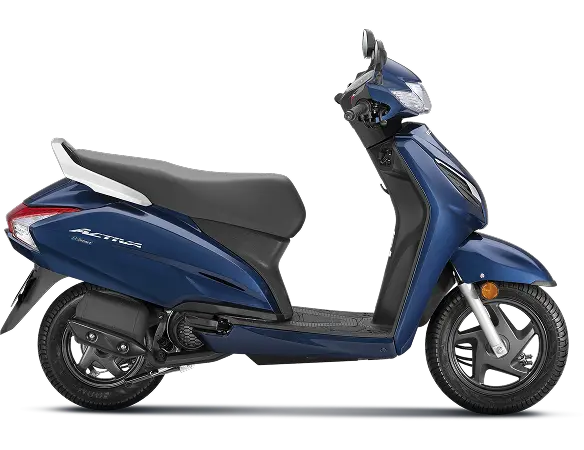
The Indian two-wheeler market presents a fascinating contrast between the motorcycle and scooter segments, each catering to distinct consumer needs while collectively driving the country’s mobility ecosystem, as motorcycles continue to dominate in terms of overall volumes due to their widespread acceptance across rural and semi-urban regions where durability, fuel efficiency and affordability are key decision factors, whereas scooters have carved out a strong and steadily growing niche, particularly in urban environments, thanks to their ease of use, lightweight handling and convenience-focused design, making them an increasingly popular choice among young riders, professionals and families looking for practical daily commuting solutions without the complexity of manual gear shifts.
Motorcycles have traditionally been the backbone of India’s two-wheeler industry, offering a broad spectrum that ranges from entry-level commuter bikes to premium performance machines, which allows manufacturers to cater to a diverse audience with varying budgets and preferences, while their higher fuel efficiency, better stability on rough roads and ability to cover longer distances comfortably make them especially appealing in tier-2 and tier-3 cities, as well as rural markets, on the other hand, scooters have witnessed a significant transformation over the past decade with modern designs, feature-rich offerings and improved engine technologies, enabling them to shed their earlier image of being limited to a specific demographic and instead emerge as versatile urban mobility solutions that combine practicality with style and comfort, thereby expanding their reach across both male and female riders.
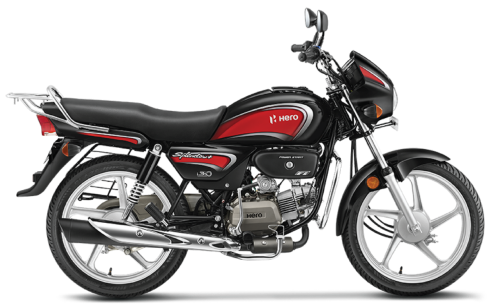
In recent years, the gap between motorcycles and scooters has narrowed in terms of growth momentum, with scooters benefiting from rising urbanisation, increasing traffic congestion and the need for hassle-free commuting, while motorcycles continue to maintain their stronghold due to their unmatched versatility and cost-effectiveness, and this evolving dynamic highlights how consumer preferences in India are gradually shifting towards convenience and lifestyle-oriented choices without completely moving away from the reliability and efficiency that motorcycles offer, ultimately resulting in a balanced market where both segments coexist and thrive by addressing different aspects of mobility, ensuring that buyers have the flexibility to choose according to their specific requirements, whether it is long-distance commuting, daily city rides or a blend of both.
Which is the better segment?
- Market Share & Popularity
- Motorcycles dominate the Indian two-wheeler market with a significantly larger share.
- Scooters hold a smaller but rapidly growing share, especially in urban regions.
- Target Audience
- Motorcycles appeal to a wide audience including rural users, commuters and enthusiasts.
- Scooters are popular among urban riders, young professionals and family users.
- Ease of Riding
- Motorcycles require gear shifting and clutch control.
- Scooters offer automatic transmission, making them easier and more convenient to ride.
- Fuel Efficiency
- Motorcycles generally offer better mileage, especially commuter bikes.
- Scooters provide decent efficiency but usually slightly lower than motorcycles.
- Comfort & Practicality
- Motorcycles are better suited for long-distance travel and rough terrains.
- Scooters excel in city commuting with features like under-seat storage and flat floorboards.
- Performance & Power
- Motorcycles offer a wider range of engine capacities and higher performance options.
- Scooters are typically tuned for smooth, city-friendly performance rather than speed.
- Maintenance & Cost
- Motorcycles are generally cost-effective with low maintenance expenses.
- Scooters are also affordable but may have slightly higher maintenance in certain cases due to CVT systems.
- Urban vs Rural Usage
- Motorcycles dominate in rural and semi-urban areas due to durability.
- Scooters are more popular in urban areas due to convenience and compact design.
- Design & Appeal
- Motorcycles offer sporty, aggressive and diverse styling options.
- Scooters focus on sleek, modern and practical design aesthetics.
- Storage & Utility
- Motorcycles have limited storage options.
- Scooters provide practical storage solutions, making them ideal for daily errands.
Overall, while motorcycles continue to lead the Indian two-wheeler market with their strong value proposition and versatility, scooters are steadily redefining urban mobility with their convenience and user-friendly nature, and this coexistence ensures that both segments remain equally relevant, catering to different lifestyles and evolving consumer expectations in a rapidly changing mobility landscape.
- Examples (Bikes)
- Hero Splendor
- Honda Shine
- Bajaj Pulsar
- Examples (Scooters)
- Honda Activa
- TVS Jupiter
- Suzuki Access
- Usage
- Bikes: Better for long rides and daily commuting across distances
- Scooters: Ideal for short city rides and traffic conditions
- Mileage
- Bikes: Generally higher fuel efficiency
- Scooters: Slightly lower but still economical
- Ease of Riding
- Bikes: Require gear shifting
- Scooters: Gearless and easy to ride
- Comfort & Practicality
- Bikes: Better stability and road presence
- Scooters: More practical with storage space
- Target Users
- Bikes: Commuters, rural users, enthusiasts
- Scooters: Urban riders, students, families
Overall, bikes remain the go-to option for efficiency and performance, while scooters stand out for convenience and simplicity, making the choice largely dependent on personal needs and daily usage.
Stay tuned and follow up for more.
