
PM E-DRIVE charging stations
Also visit the official website of Ministry of Heavy Industries
India’s electric car registrations hit a record in September, yet the government’s flagship scheme for public chargers had not installed a single one by late July. That is the uncomfortable headline behind the PM E-DRIVE charging stations rollout, and it deserves more attention than another launch-price story.
The scheme has approved 6,562 chargers worth ₹688.84 crore, but expenditure to date is zero. We ran the numbers against what buyers actually face on the road.
What the government actually told Parliament
As Business Today reported from a Rajya Sabha statement dated 22 July 2026, the Centre has sanctioned ₹688.84 crore for 6,562 public chargers under PM E-DRIVE, with no funds spent so far. Union Minister Nitin Gadkari said no expenditure had been incurred. Electrive’s follow-up adds that none had been installed by the end of July.
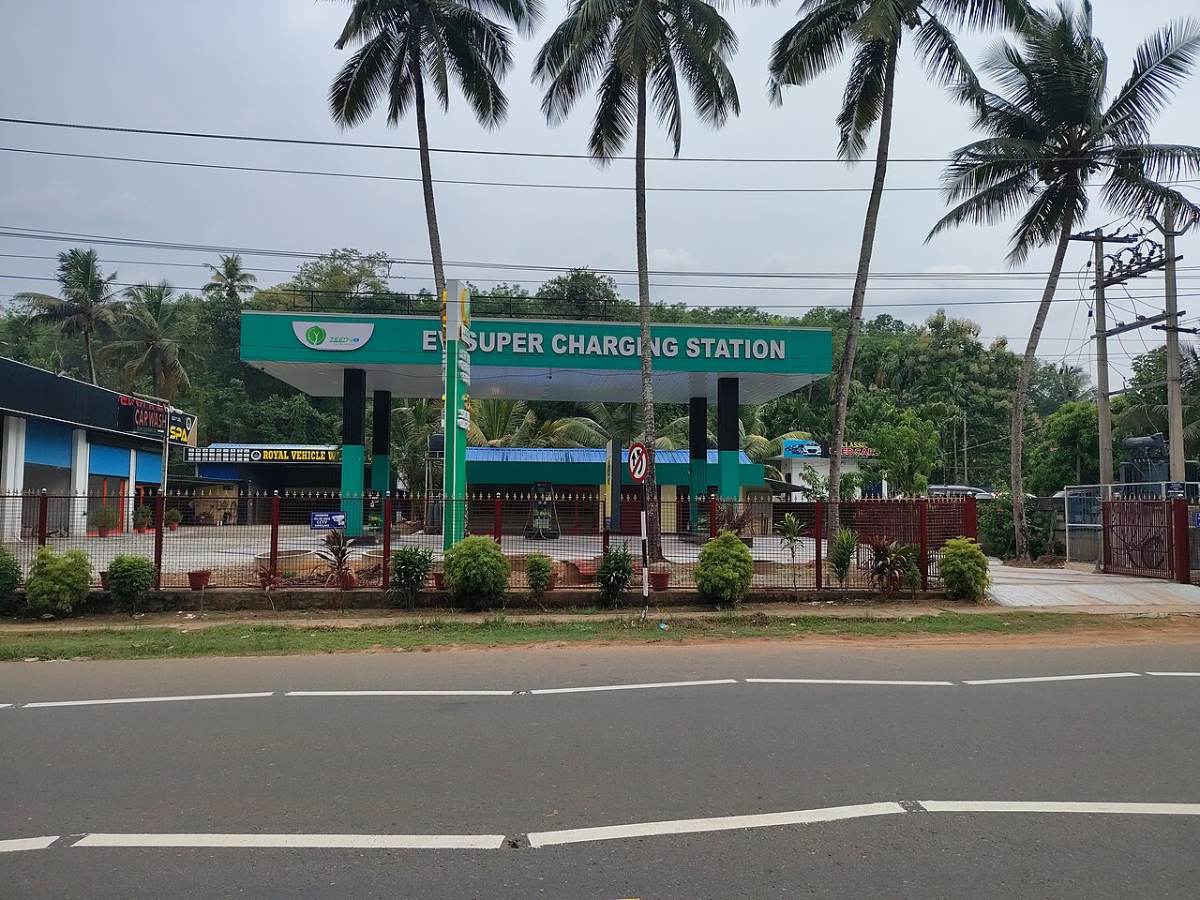
The geographic split is telling. Karnataka leads the approvals with 1,571 chargers, roughly 24 percent of the national total, which means the remaining states share about 4,991 between them. A scheme meant to cover state capitals, smart cities and transport corridors will need a much wider spread than that before it feels national.
Officials said spending is expected to gather pace in the coming months. That is a promise, not a date, so it is worth treating this as unfinished work rather than a failure.
The gap between the plan and the paperwork
The scheme’s charging guidelines, issued on 29 September 2025, spoke of nearly 72,300 public chargers. Government offices, hospitals and schools were promised a 100 percent subsidy on upstream infrastructure and equipment. High-traffic sites such as airports and toll plazas get 80 percent on infrastructure and 70 percent on equipment. BHEL is the implementing agency.
Set that against the July data. The 6,562 approved chargers are about 9 percent of the 72,300 target, and zero are built. Meanwhile the wider scheme has a ₹2,000 crore charging allocation, of which ₹688.84 crore, roughly 34 percent, is approved. The scheme itself runs to March 2028, so from October 2026 only about 18 months remain.
There is also a plausible reason for the delay, though it is our reading rather than an official explanation. State nodal agencies must aggregate demand and identify sites through a dedicated portal, and subsidies are released in two phases tied to compliance and performance. Money that only flows after a charger works will naturally show zero spend until the first sites are commissioned.
Our arithmetic on cost is also interesting. ₹688.84 crore across 6,562 chargers works out to about ₹10.5 Lakh per approved charger. That is a plausible figure for a mix of AC and fast chargers with upstream work, but it shows how thin the money is spread against a 72,300 target.
Why this matters now, not in 2028
Electric car registrations are accelerating. Autocar Pro reported a record 35,948 electric cars registered in September, an 8.3 percent share of passenger vehicles. Divide that by the 6,562 approved chargers and you get roughly 5.5 new electric cars registered every month for each approved charger, with none of those chargers yet built.
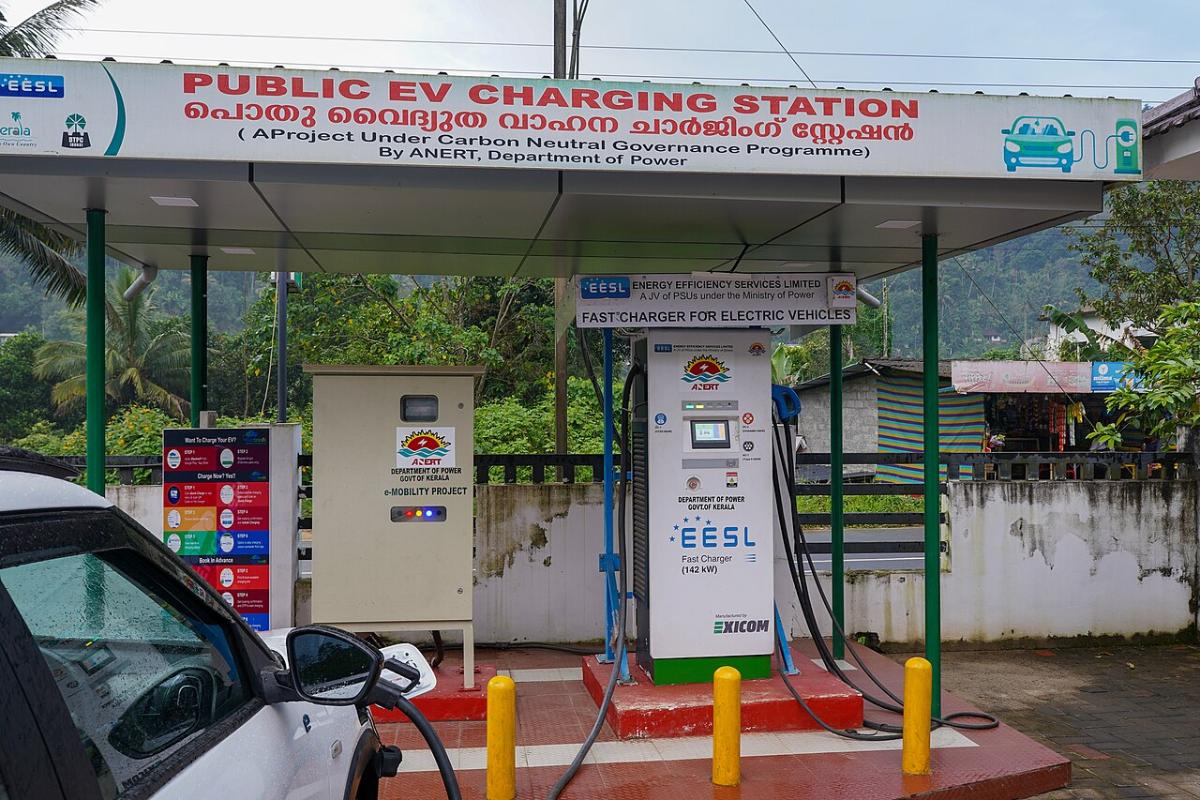
This is a rough ratio, not a usage forecast, because most owners charge at home and many chargers already exist outside this scheme. Still, it explains why highway and apartment-dweller buyers remain nervous. We covered that reality in our EV charging reality check, and the policy data now backs the anxiety.
How it compares with the last scheme and with Delhi
The predecessor, FAME-II, offers a benchmark. Reports differ slightly on its station count, with figures between roughly 9,300 and 9,600, but Business Today notes ₹898.37 crore of a ₹912.50 crore allocation was used. So the old scheme delivered nearly in full, while the new one has only just cleared paperwork.
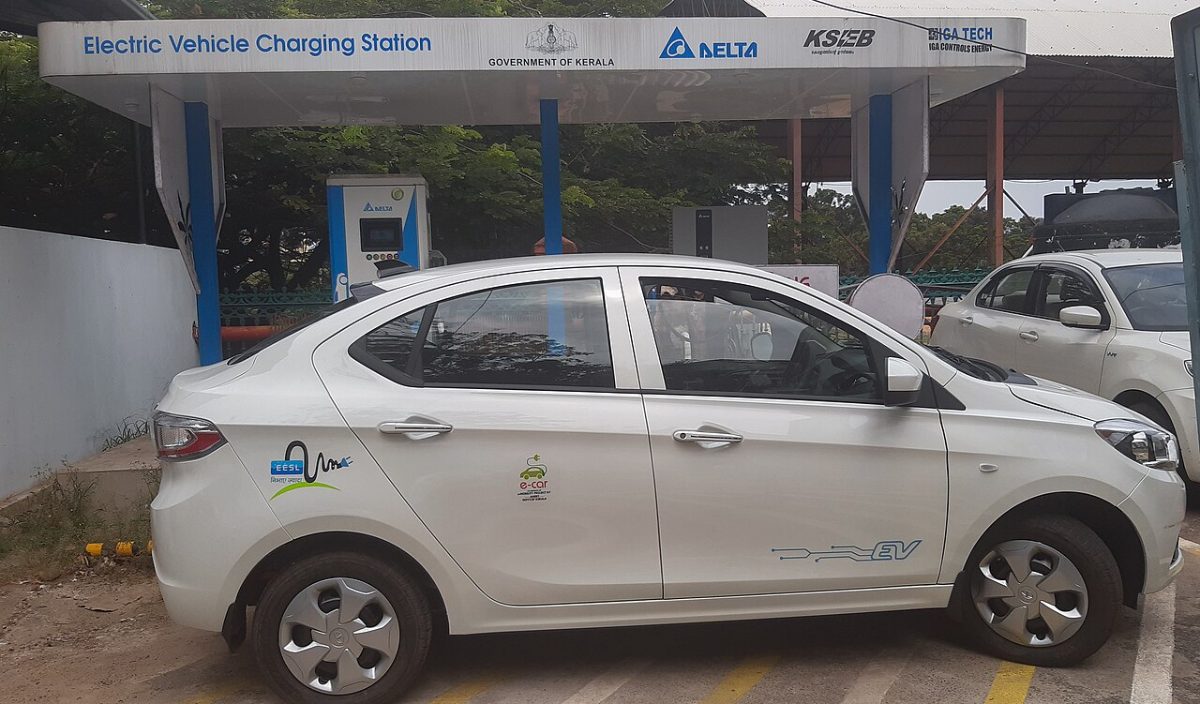
State governments are moving faster in places. Delhi’s EV Policy 2026, reported by the Free Press Journal, proposes more than 30,000 charging points and a 100 percent road tax and registration fee waiver. We explained the saving in our Delhi road tax waiver piece. Proposed is the operative word, though, and state targets are only as good as execution.
If you are also worried about ownership costs beyond the charger, our guide on the hidden costs of owning an electric car covers the rest.
What a buyer should do today
Do not buy an EV based on chargers that exist only on paper. Check the charging apps along your regular route, confirm uptime with owners, and make sure you can install a home or society charger before you book.
Apartment dwellers deserve a special warning. If your society will not permit a charger, public charging becomes your lifeline, and that is exactly the segment this scheme was meant to serve. Ask your resident association about a shared charger before you book, and keep a realistic cost in mind: public fast charging is usually pricier per unit than home power.
For the policy side, watch two signals over the next quarter: the first sanctioned sites reaching commissioning, and any revised timeline from the Ministry of Heavy Industries. If neither appears by early 2027, the 2028 end date will be at risk.
Final Verdict
The PM E-DRIVE charging stations story is about delivery, not intent. The subsidy design is generous, the target of 72,300 chargers is ambitious, but 6,562 approvals and zero installations by late July is a weak report card while EV registrations are setting records.
Our view is simple: the government has solved the money problem on paper and not yet the execution problem on the ground. Until the first chargers go live in volume, buy an EV only if your home or workplace charging is sorted.
Stay tuned and follow up for more.
How many chargers have been approved under PM E-DRIVE?
As of 22 July 2026, the government had sanctioned ₹688.84 crore for 6,562 public chargers, with Karnataka, Delhi and Rajasthan leading approvals.
Have any PM E-DRIVE chargers been installed?
According to the government statement and follow-up reports, none had been installed or paid for by the end of July 2026. Status may have changed since, so check the latest ministry updates.
What is the PM E-DRIVE charging target?
Guidelines issued on 29 September 2025 referred to nearly 72,300 public charging stations, with subsidies up to 100 percent on infrastructure and equipment at government sites.
Does this affect me if I charge at home?
Mostly not for daily use, but public chargers matter for highway trips and for buyers living in apartments without a dedicated parking charger.
Stay tuned and follow up for more.
