
Here is a detailed comparison and overview of the Mahindra XEV 9e vs Tata Harrier EV.
Also read about the top scoring cars at the NCAP.
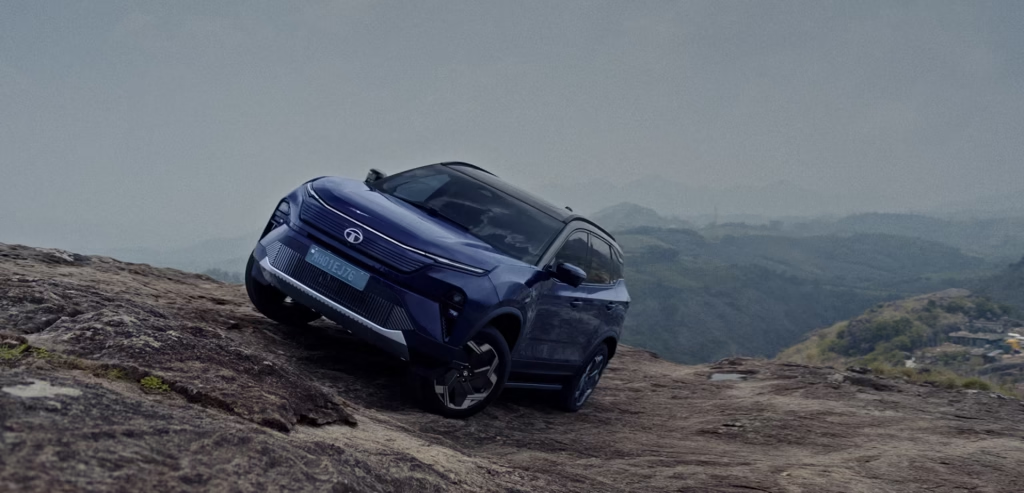
Mahindra XEV 9e vs Tata Harrier EV comparison India:
The emergence of electric SUVs in India has brought with it a new dimension of competition, one that goes beyond performance and features to focus deeply on safety, technology, and future-ready design. At the center of this evolution stand two remarkable contenders: the Mahindra XEV 9e and the Tata Harrier EV. Both vehicles represent the pinnacle of their respective brands’ engineering capabilities and signal how far Indian manufacturers have progressed in building world-class electric mobility solutions. With perfect scores in crash safety assessments, these SUVs are not just about electrification, they are about redefining what a modern, safe, and intelligent SUV should feel like on Indian roads.
The Mahindra XEV 9e leans toward a futuristic and tech-forward identity, built on a new-age platform that prioritizes lightweight construction, high rigidity, and seamless integration of advanced electronics. Its design language feels progressive, almost concept-like, appealing to buyers who want their vehicle to stand out as a statement of innovation. On the other hand, the Tata Harrier EV carries forward the legacy of a well-established nameplate, blending familiar SUV toughness with modern electric underpinnings. It feels more grounded and rugged, aimed at customers who appreciate a strong road presence along with proven reliability. While both SUVs deliver impressive range and refinement, their personalities differ, one speaks the language of tomorrow, while the other builds confidently on a trusted past.
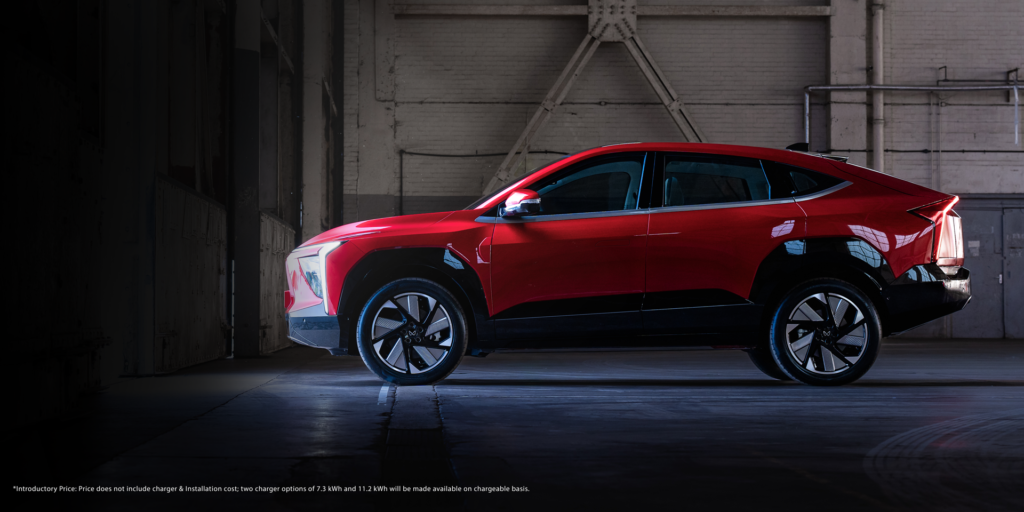
What truly elevates this comparison is how closely matched these two vehicles are in critical aspects like safety, comfort, and practicality. Both SUVs have achieved top-tier scores under Bharat NCAP, underlining their commitment to occupant protection. However, their approach to delivering the overall experience varies subtly. The Mahindra XEV 9e feels more urban and digitally inclined, offering a cabin experience that emphasizes connectivity and innovation, whereas the Tata Harrier EV provides a sense of solidity and long-distance comfort, making it particularly appealing for highway journeys and family usage. This nuanced difference ensures that the choice between the two is less about which is better and more about which aligns with the buyer’s lifestyle and expectations.
Comparison:
- Safety Performance:
Both the Mahindra XEV 9e and the Tata Harrier EV achieve a perfect 32/32 in Adult Occupant Protection, making them among the safest vehicles in India. - Design Philosophy:
The XEV 9e embraces a futuristic, sleek, and almost concept-inspired design, while the Harrier EV retains a bold, muscular SUV stance rooted in traditional styling cues. - Platform & Engineering:
Mahindra’s model is built on a newer dedicated EV platform, focusing on weight optimization and efficiency, whereas Tata’s offering adapts and evolves an already robust architecture into an electric format. - Interior Experience:
The XEV 9e offers a more digital and tech-rich cabin with a focus on next-gen interfaces, while the Harrier EV emphasizes space, comfort, and a more conventional premium feel. - Driving Character:
The XEV 9e is likely to feel smoother and more urban-friendly, ideal for city commutes, whereas the Harrier EV is expected to deliver a more planted and stable driving experience, especially on highways. - Brand Identity:
Mahindra positions the XEV 9e as a forward-looking product in its EV journey, while Tata leverages the strong recall and trust associated with the Harrier nameplate. - Target Audience:
The XEV 9e appeals to tech-savvy, early adopters looking for innovation, while the Harrier EV caters to buyers seeking familiarity combined with electric mobility. - Road Presence:
The Harrier EV maintains a commanding and rugged presence, whereas the XEV 9e stands out with its modern and aerodynamic styling. - Practicality & Usage:
Both SUVs offer strong practicality, but the Harrier EV may edge ahead for long-distance touring and family usage, while the XEV 9e suits urban lifestyles better. - Market Impact:
Together, both models signify a turning point in India’s EV landscape, pushing the boundaries of safety, performance, and design in the premium electric SUV segment.
In the end, the choice between the Mahindra XEV 9e and the Tata Harrier EV is less about superiority and more about personal preference. Both vehicles stand as shining examples of how Indian automakers are not just catching up with global standards but are beginning to set benchmarks of their own.
Stay tuned and follow up for more.
