
Honda City facelift vs Hyundai Verna 2026
Two of India’s most trusted midsize sedans, freshened up in the same year, aimed at the same buyer. The Honda City facelift vs Hyundai Verna 2026 question doesn’t have one correct answer, but it has a correct answer for you, and this comparison will get you there.
Also read about the upcoming Honda City Facelift.
The Market Context: Why This Comparison Matters More in 2026
The midsize sedan segment has been under siege from SUVs for years. Monthly combined sales of all sedans in this category have shrunk from industry-wide highs of 15,000+ units per month to a fraction of that. But the buyers who remain are serious, intentional, and well-informed, they’re choosing sedans with clear reasons. Against this backdrop, both Honda and Hyundai have refreshed their flagships to fight for an increasingly discerning audience.
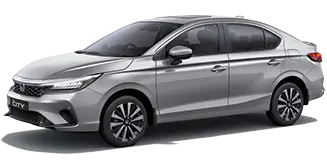
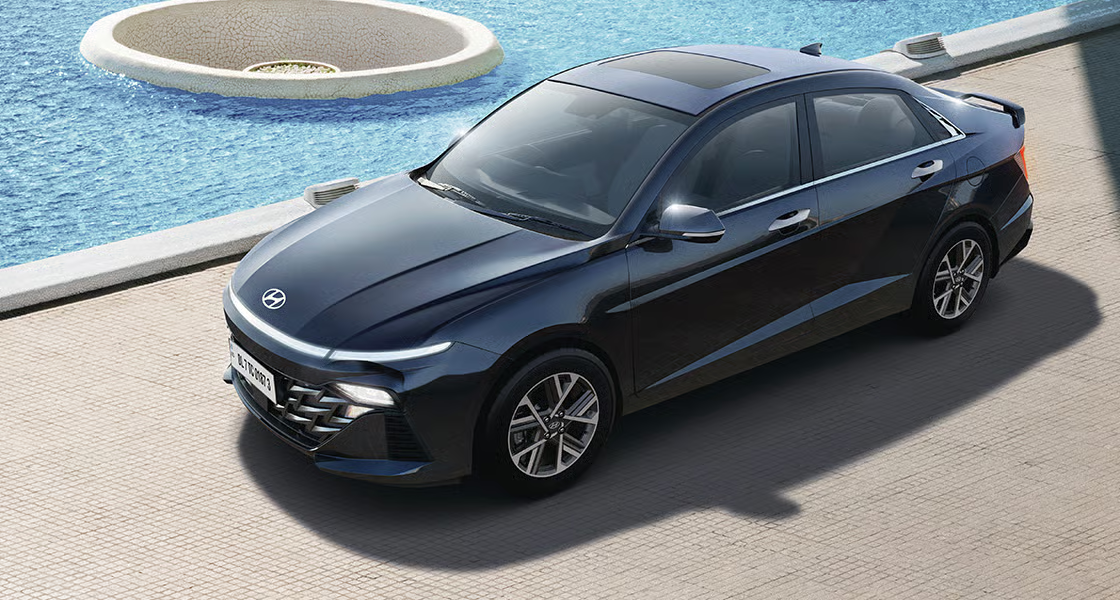
The Hyundai Verna received its 2026 refresh earlier this year, with updated exterior elements and an improved cabin. The Honda City facelift launches May 22 with ventilated seats, a 360-degree camera, and subtle design updates. The Skoda Slavia and VW Virtus are also due for updates in 2026, but right now, this two-car fight is the one that matters most for the ₹12–18 lakh sedan buyer.
Price: Who Costs More, and Is It Justified?
The Hyundai Verna currently starts at ₹10.79 lakh and tops out at ₹17.13 lakh (ex-showroom). The Honda City starts at ₹12 lakh post-recent price revision, topping out at ₹16.07 lakh, with the City Hybrid at ₹20 lakh. Post-facelift, the City is expected to start at ₹12.50 lakh.
That means the Verna has a lower entry point, a conscious Hyundai strategy to pull in buyers who might start with a budget-spec unit and upgrade. The City doesn’t play that game. Its base variants are still well-equipped, and Honda doesn’t discount its entry grades heavily. If you’re looking at mid-spec variants of both, the ₹13–15 lakh zone, the pricing is broadly similar, with the Verna typically offering slightly more features per rupee on paper.
The Honda City Hybrid at ₹20.50 lakh is in its own category, there is no Verna hybrid. That’s the City’s ace card in the upper half of the budget.
Features: Verna’s Strength, City’s Closing the Gap
For years, the Verna has been the feature king of this segment, and that reputation is earned. The 2026 Verna offers an 8-speaker Bose sound system, heated and ventilated front seats, a 10.25-inch touchscreen, a 360-degree camera, 64-colour ambient lighting, Level 2 ADAS, and a powered tailgate, all on upper variants. It is unambiguously the most feature-loaded sedan in this price bracket.
The Honda City facelift 2026 now adds ventilated seats and a 360-degree camera, which closes the two most glaring gaps. But the City still trails on ambient lighting, the quality of the audio system (Honda’s 8-speaker system is good, not Bose-grade), and the overall “wow factor” of the interior. That said, Honda’s interior quality feels more cohesive and premium in its material choices, less about features, more about feel. Sitting inside a City vs a Verna is a bit like comparing a well-tailored suit to a well-accessorised outfit. Different philosophies, different outcomes.
Honda Sensing ADAS on the City has been class-leading since it was introduced. The Verna’s ADAS suite matches it on features but the City’s implementation, particularly the collision mitigation braking, is considered more refined in real-world Indian conditions by independent tests.
Engines: The Most Important Difference
This is where the comparison gets genuinely interesting. The Verna offers a 1.5-litre naturally aspirated petrol (115 hp) with a CVT, and a 1.5-litre turbocharged petrol (160 hp) with a 6-speed manual or 7-speed DCT automatic. The turbo-DCT combination makes the Verna one of the most exciting-to-drive sedans in India, 0–100 km/h in around 8.8 seconds, an accessible ₹13–17 lakh window, and a driving character that’s genuinely sporty.
The City offers the 1.5-litre naturally aspirated petrol (121 hp) with a manual or CVT, and the 1.5-litre strong hybrid (126 hp combined system) with an e-CVT. There is no turbo option on the City, that’s a deliberate Honda India choice. The City is not trying to win the performance battle. It’s trying to win the efficiency and refinement battle, and it does, comprehensively.
If you want a fun, involving drive and regularly do highway runs, the Verna turbo is the better answer. If you do mostly city commuting, hate fuel bills, and value a smooth, effortless drive, the City hybrid is in a category of its own.
Real-World Ownership: Where Honda Still Has the Edge
Here’s the data point that often gets buried in spec comparisons: the Honda City has one of the best resale value profiles in the midsize sedan segment. It holds its value better than the Verna in most Indian cities, partly due to Honda’s conservative approach to discounting and partly due to the brand’s reputation for long-term reliability.
For a buyer in Bengaluru or Hyderabad who plans to keep the car for 6–8 years and sell it at a reasonable residual value, the City often makes more financial sense over the full ownership cycle, even if the Verna wins more spec-sheet rounds.
What This Means for Indian Buyers
Neither of these cars is the wrong choice. This is a buyer-type question, not a quality question. The Verna is for the buyer who wants to feel the car beneath them, who will squeeze the turbo on a Sunday morning drive on the Expressway and feel like the sedan choice was entirely justified. The City is for the buyer who wants to forget about petrol bills, trust the car completely, and arrive everywhere feeling calm.
Final Verdict / Our Take
Honda City facelift vs Hyundai Verna 2026 breaks down simply: Choose the Verna if you drive a mixed cycle, prioritise features and driving excitement, and want the most spec-loaded cabin under ₹17 lakh. Choose the City, specifically the hybrid, if you do a lot of city driving, petrol costs are genuinely bothering you, and you want the most refined sedan experience in India. The City facelift’s new additions make it more competitive than ever. The Verna’s turbo engine makes it more fun than ever. You can’t go wrong — you can only choose wrong for your specific lifestyle.
Frequently Asked Questions (FAQs)
Which is better in 2026, Honda City facelift or Hyundai Verna?
It depends entirely on your use case. The Hyundai Verna offers more features per rupee and a genuinely exciting turbo-petrol engine. The Honda City facelift 2026 offers a more refined drive, a class-leading strong hybrid option, and better long-term resale value. For feature-first buyers, go Verna. For efficiency and refinement, go City.
Q2. Is the Honda City facelift more expensive than the Hyundai Verna in 2026?
The Verna has a lower entry price (₹10.79 lakh vs City’s expected ₹12.50 lakh post-facelift). In the ₹13–16 lakh mid-spec overlap zone, pricing is broadly comparable. The City Hybrid at ₹20.50 lakh has no Verna equivalent, it’s in a class by itself for efficiency.
Q3. Which sedan has better mileage, Honda City or Hyundai Verna?
The Honda City Hybrid is the outright mileage winner at 20–23 km/l in real city conditions. The Verna’s NA petrol delivers 18–20 km/l, and the turbo petrol returns 15–17 km/l in mixed conditions. For pure fuel economy, the City hybrid has no equal in this segment.
Q4. Should I buy the Honda City facelift or wait for the Skoda Slavia or VW Virtus facelift in 2026?
If you have a European car preference and value driving dynamics, it’s worth waiting for the Slavia/Virtus updates later in 2026 before committing. However, if you’re in the market now, both the City facelift and Verna 2026 are updated, current products that will not feel outdated. Don’t delay a needed purchase just to wait for more options.
— Manav Akbari, TheWheelFeed
