
Delhi ICE two wheeler ban 2028 India
Delhi’s air is a genuine crisis. That part nobody disputes. But the proposed ban on petrol-powered two-wheelers by 2028 is not a solution. It is a deadline handed to people who had no say in setting it.
Also read about the ata Tiago EV vs MG Comet EV 2026.
The Problem This Ban Is Trying to Solve
Delhi consistently ranks among the most polluted cities in the world. Two-wheelers contribute a significant share of vehicular emissions, and with over 70 lakh registered two-wheelers in the capital, the logic behind targeting them is not wrong. SIAM has already urged the Delhi government to reconsider the proposal, and that pushback deserves a serious hearing. Not because the auto industry wants to protect sales, but because the people most affected by this ban are not the ones who can absorb it.
Who Actually Rides a Petrol Two-Wheeler in Delhi
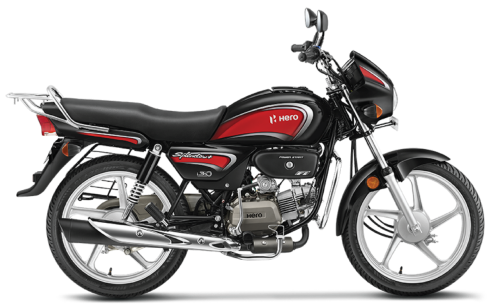
Before any policy gets made, someone needs to ask who is actually sitting on that Splendor or Activa every morning.
It is not someone with a car in the garage who chose a bike for fun. It is the delivery rider covering 80 km a day across Rohini and Dwarka. It is the office worker in Faridabad commuting to a job in Connaught Place because the metro does not reach his lane. It is the nurse doing a night shift who cannot afford to wait 40 minutes for a bus that may or may not show up. The average income of a two-wheeler owner in Delhi is nowhere near the ₹1.2 to 1.5 lakh price point of a reliable electric scooter. The cheapest EVs in this space including the Bajaj Chetak, TVS iQube, and Ola S1 Air hover between ₹80,000 and ₹1.1 lakh, and that is before you account for the running anxiety of wondering where to charge it when you have been on the road for six hours.
The Infrastructure Reality Nobody Is Talking About
Even if every two-wheeler owner in Delhi wanted to switch to EV tomorrow, the infrastructure to support that simply does not exist. Charging stations are concentrated in select South and Central Delhi pockets. Apartment buildings where the majority of Delhi’s working population lives have no standardised charging provisions. And the time argument matters more than policymakers admit. Filling a petrol bike takes under five minutes. Even the fastest Level 2 chargers available to two-wheelers take 45 minutes to an hour for a meaningful charge. For someone doing multiple trips a day, that is not an inconvenience. It is a complete disruption to how they earn a living.
A ban without solving this first does not clean the air. It just makes poor people’s lives harder while wealthier commuters switch to cabs or work from home.
What Should Actually Happen Instead
If the goal is genuinely to reduce emissions and not just to hit a policy headline, the approach needs to be completely rethought.
The government’s energy should go into making the alternative actually work before forcing the switch. That means 24-hour public transport with real frequency, not a bus every 45 minutes that stops running at 11 PM. It means affordable fares that genuinely compete with the ₹15 to 20 a day someone spends running a petrol bike. It means safety including well-lit stops, women’s helplines, and CCTV so that a woman working late or a senior citizen travelling alone actually feels comfortable using the system. For those in desk jobs and digital roles, aggressive work-from-home mandates during high-pollution months would do more for Delhi’s air quality than any blanket ban on vehicles owned by people earning ₹20,000 a month.
The Delhi Metro already exists and it is genuinely good. The missing piece is not the spine. It is the last-mile connection that forces people onto petrol bikes in the first place.
What This Means for Indian Buyers
If you own a petrol two-wheeler in Delhi right now, the honest advice is to not panic but not ignore this either. 2028 is close. If you are due for a replacement in the next 12 to 18 months, exploring EV options makes sense, especially with FAME subsidies still partially active and BaaS pricing making upfront costs slightly more manageable. But for anyone who bought a bike recently or cannot absorb the financial switch, this ban in its current form is being pushed back for a reason. SIAM’s objection is not industry lobbying. It is a real concern about timeline versus ground reality.
Final Verdict: Our Take
The Delhi ICE two-wheeler ban by 2028 is the right destination with the wrong map. Pollution in the capital is a genuine emergency, and two-wheelers are a legitimate part of the problem. But a hard ban by 2028 with EV infrastructure still patchy, public transport still unreliable after dark, and affordable EVs still out of reach for a large section of riders will not clean Delhi’s air. It will shift the burden to people who can least afford it. Fix the buses. Make the metro last-mile viable. Mandate charging provisions in apartment buildings. Give people a real alternative first. The Delhi ICE two-wheeler ban can follow, and when it does, it will actually stick.
Frequently Asked Questions
What is Delhi’s proposed ICE two-wheeler ban from 2028?
The Delhi government has proposed banning internal combustion engine two-wheelers from the capital by 2028 as part of its broader push to cut vehicular pollution. SIAM has formally urged the government to reconsider the proposal, citing infrastructure gaps and affordability concerns for everyday commuters.
What are the alternatives to petrol two-wheelers in Delhi right now?
Electric scooters and motorcycles are the primary alternative, with options like the Bajaj Chetak, TVS iQube, and Ola S1 Air starting from around ₹80,000 to ₹1.1 lakh. Delhi Metro and DTC buses are available but lack the frequency, last-mile connectivity, and round-the-clock reliability that two-wheeler commuters currently depend on.
Is the Delhi ICE two-wheeler ban 2028 deadline realistic?
No. The 2028 timeline gives roughly two years for a city of over 70 lakh registered two-wheelers to transition, and EV charging infrastructure, subsidy reach, and affordable EV supply are nowhere near ready to support that. SIAM’s pushback reflects this ground reality directly.
Should I sell my petrol two-wheeler in Delhi before 2028?
Not immediately. The ban is still a proposal and faces strong industry pushback. However, if you are planning to buy or upgrade a two-wheeler in the next 12 to 18 months, evaluating EV options now makes practical sense. Watch for policy updates through 2026 as the final decision will likely come with transition provisions for existing vehicle owners.
Stay tuned and follow up for more.
