
Honda scooter market share India 2026
A decade ago, buying a scooter in India meant buying a Honda. That is no longer the default.
Honda’s scooter market share in India has fallen from 57% to 39% over the last ten years. TVS, meanwhile, has doubled its share to 28%. That is not a minor correction. That is a structural change in India’s largest two-wheeler segment, and it tells you a great deal about what buyers actually want when they walk into a showroom in 2026.
More from us: Tata Harrier EV Discount in June 2026: Should You Buy Now or Wait for the Sierra EV?
Honda’s Dominance Was Real and It Was Total
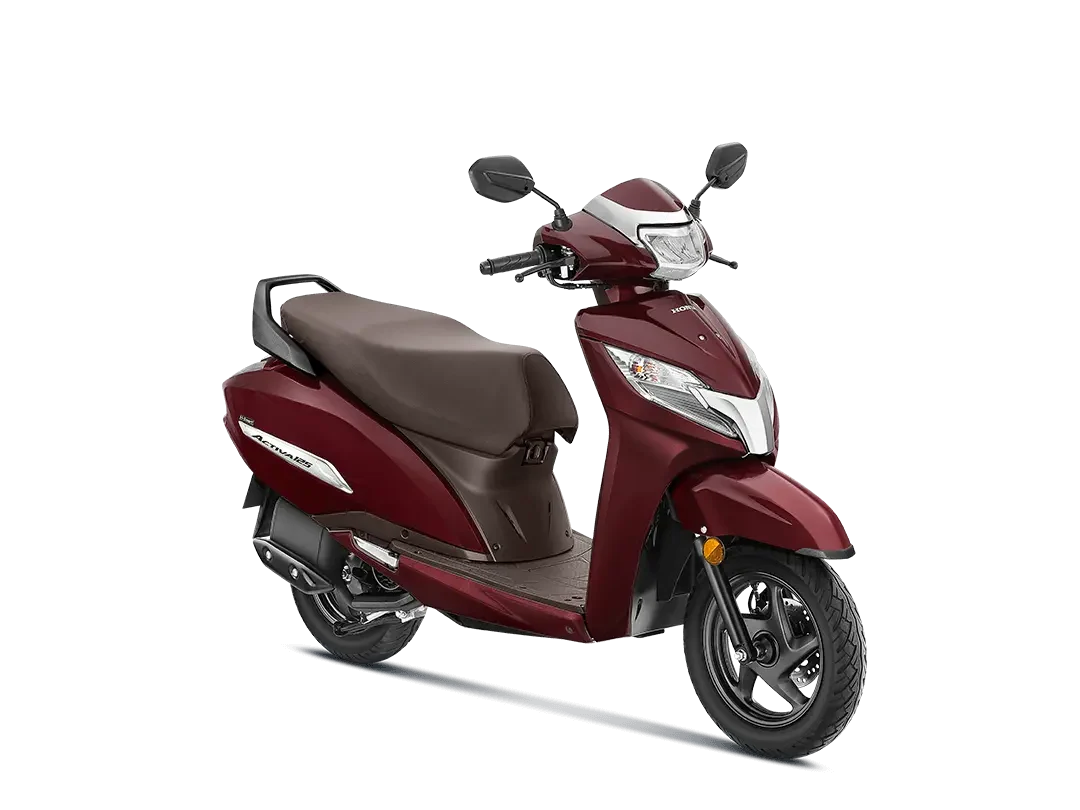
To understand how significant this shift is, you need to remember what Honda’s position looked like ten years ago. With over 57% of India’s scooter market, Honda was not just the market leader. It was the market. The Activa was so dominant that in many parts of India, “Activa” became the generic word for scooter, the same way “Xerox” replaced photocopy. Honda’s service network was unmatched, its resale value was the benchmark, and the Activa’s simplicity and reliability made it the only recommendation that buyers, their parents, and their accountants would ever make. For the better part of a decade, that formula worked without question.
Where TVS Found the Gap
TVS did not beat Honda by building a better Activa. It beat Honda by targeting the buyer Honda was not talking to. The NTorq arrived with sporty aesthetics, Bluetooth connectivity, and a brand identity aimed squarely at buyers in their late teens and early twenties who found the Activa’s design unexciting. Then TVS moved early into electrics with the iQube, building an EV scooter identity before most rivals had committed to a serious launch timeline. Ather Energy, which crossed 7 lakh cumulative electric scooter deliveries in 2026 to become India’s fourth-largest EV brand, also pulled buyers away from Honda’s traditional base. Every buyer who went electric in the last three years was one fewer buyer in Honda’s conventional scooter pool.
Honda’s Mistake Was Complacency, Not Competition
The honest explanation for why the Honda scooter market share India 2026 numbers look the way they do is not that TVS outclassed Honda technically. Honda still has the most trusted scooter brand name in India and one of the strongest service networks in the country. The problem is that Honda over-relied on that trust while the market changed around it. The buyer of 2026 is younger, more design-conscious, and more EV-aware than the buyer of 2016. Honda stayed with the safety of the Activa formula too long. Its EV play in India has been cautious at best. TVS doubled its market share not by outspending Honda but by outthinking it. For a buyer in Chennai or Jaipur who wanted a scooter that did not look like their parents’ vehicle, TVS offered the NTorq. Honda offered the Activa in a new shade.
What the Numbers Mean Going Forward
Honda is not losing the scooter segment yet. A 39% share is still larger than TVS’s 28%, and Honda still outsells every rival in absolute unit terms. But the trend line is the concern. If Honda loses another 10 percentage points in the next decade the way it lost nearly 20 in the last, TVS does not need to do anything extraordinary to become India’s top scooter brand. The electric two-wheeler segment is where the next chapter of this battle will be decided. TVS has the iQube. Ather has momentum and a loyal urban base. Bajaj is building the Chetak at scale. Honda’s EV response in India has been underwhelming, and the Honda scooter market share India 2026 data reflects that gap directly.
What This Means for Indian Buyers
If you are buying a scooter in 2026, this market shift should push you to look past the default choice. The Activa is still a sensible, low-maintenance scooter with excellent resale value and unmatched service availability. But the TVS NTorq gives you better styling and more features at a very similar price. If you commute 40 to 50 km daily in a city like Ahmedabad or Pune, a TVS iQube or Ather scooter will cut your running costs considerably over three years. The Honda scooter market share India 2026 numbers are a signal that the market has matured enough to reward buyers who evaluate on value rather than brand loyalty alone.
Final Verdict
Honda built a scooter empire in India on the back of the Activa, and that empire is not gone. But the Honda scooter market share India 2026 figures are a clear message that the walls have cracks. TVS exploited those cracks with sharper products, a younger brand identity, and an early start in electrics. For Honda to reverse this trend, it needs more than a new Activa variant or a hesitant EV launch. It needs a product that makes a 22-year-old in a Tier 2 city feel something other than indifferent. Until that product exists, TVS will keep closing the gap.
Frequently Asked Questions
What is Honda’s scooter market share in India in 2026?
Honda’s scooter market share in India has dropped to 39% in 2026, down from approximately 57% a decade ago. Honda remains the single largest player in the segment, but the gap between it and rivals like TVS has narrowed significantly over the last ten years.
How did TVS grow its scooter market share in India?
TVS doubled its scooter market share to 28% over the last decade by targeting younger buyers with products like the NTorq and by entering the electric segment early with the iQube. This allowed TVS to attract design-conscious and EV-curious buyers that Honda’s conservative lineup was not addressing.
Is the Honda Activa still India’s best-selling scooter?
The Honda Activa continues to sell in strong absolute numbers and remains one of India’s most trusted two-wheelers. However, Honda’s overall scooter market share has been declining, meaning rivals are collectively gaining ground even as the Activa holds up in unit sales.
Should I buy a Honda or TVS scooter in 2026?
For reliability, proven low maintenance costs, and strong resale value, Honda remains a safe choice, especially for first-time buyers and fleet or commercial use. If you want better styling, more features at the same price, or a serious EV option with good after-sales support, TVS gives you genuinely competitive alternatives in 2026.
Stay tuned and follow up for more.
