
April 2026 India car sales report
India’s car market just dropped its April 2026 scorecard, and it’s more interesting than the headline numbers suggest. The April 2026 India car sales report shows 4,07,335 units retailed, the highest-ever April for the Indian passenger vehicle market according to FADA data, but underneath that record, there are some very clear winners, a few surprising underperformers, and one structural trend that every Indian buyer should pay attention to.
Also read about the upcoming Tata Sierra EV.
The Headline: Record April, But Growth Is Uneven
A 12.21% year-on-year growth for April sounds robust, and it is. But compare it to March 2026 and you’ll see a 7.45% month-on-month dip, which is entirely expected given that March typically sees a fiscal year-end push where dealers scramble to clear inventory. April is always a cooldown month, and this April cooled down less than usual, which is actually the encouraging story here.
Total dispatches stood at 4,41,721 units (wholesale), growing 25% year-on-year, a figure driven largely by Maruti Suzuki’s aggressive stocking ahead of multiple new model launches in Q1 FY27.
Maruti Suzuki: Still Untouchable, and Getting More So
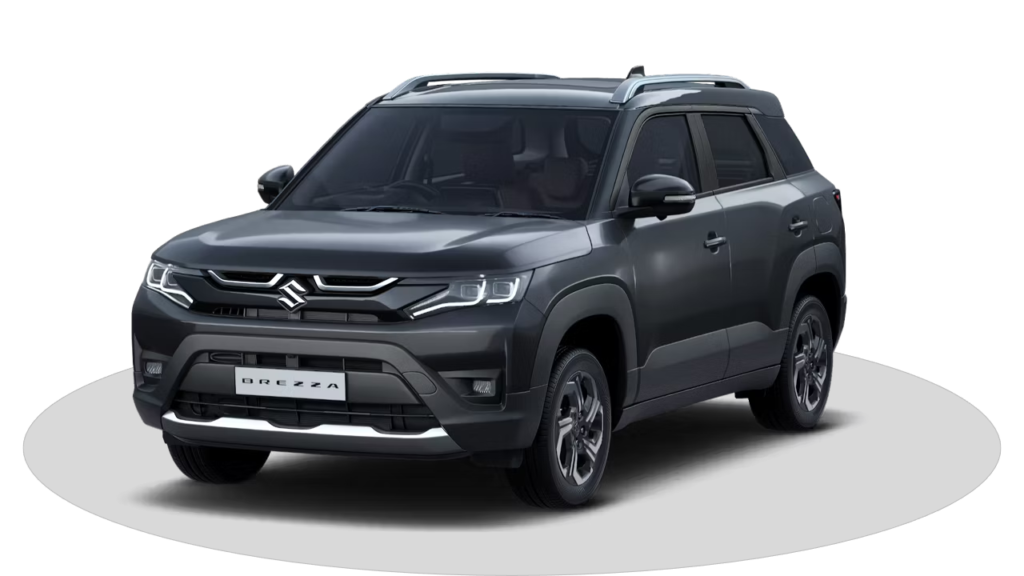
Maruti Suzuki continues to be the dominant force in Indian car sales, and April 2026 only reinforced that position. The brand clocked nearly 12.5% YoY growth in retail sales, with a market share that inched up from 38.83% in April 2025 to 38.91% last month. The Dzire and Ertiga remain its biggest volume drivers, but what’s particularly notable is the surge in its UV segment, Brezza, Grand Vitara, Fronx, e Vitara combined hit 77,892 units, up from 59,022 in April 2025. That’s a 32% jump in Maruti’s own utility vehicle arm alone.
The e Vitara, Maruti’s electric SUV entry, appears to be gaining early traction. Maruti Suzuki’s scale advantage, its 3,500+ dealer network, unmatched rural reach, and competitive after-sales costs, means it can absorb competitive pressure in ways that most OEMs simply cannot. For the Maruti Suzuki sales April 2026 story, the subtext is that the brand isn’t just winning on legacy, it’s winning on product and distribution simultaneously.
Tata Motors: The EV King Holds Firm
Tata Motors retailed 57,688 units in April 2026, a 27.8% year-on-year surge, and its market share jumped from 12.43% to 14.16%. The recently launched Punch facelift and Nexon continue to perform strongly, and Tata’s EV range, Nexon EV, Curvv EV, added meaningful volume. With the Sierra EV launch coming on May 19, Tata’s EV narrative is only going to strengthen through FY27.
The dispatch figure of 59,701 units (including EVs) represents a 31.1% YoY jump, the highest growth rate of any top-five carmaker in April. Tata’s execution on both ICE and EV fronts simultaneously is genuinely impressive, and the brand is eating into Hyundai and Kia’s market share in a way that would have seemed unlikely just three years ago.
Mahindra: Sales Rise but Market Share Slips
Here’s the slightly uncomfortable part of Mahindra’s April story. The brand posted a 14% overall YoY growth, but its India SUV sales data 2026 breakdown tells a more nuanced tale, SUV sales specifically grew only 8% to 56,331 units, and market share actually dipped from 14.21% to 13.56%. In a month when the overall market grew 12.21%, growing at 7-8% in your core segment means you’re losing ground.
The Scorpio-N and Thar Roxx remain Mahindra’s stars, but with the Scorpio-N facelift coming later this year and the XUV 7XO on the horizon, Mahindra may be entering a bit of a product transition fatigue phase. Buyers who were excited about Mahindra 12–18 months ago are now waiting to see what comes next rather than pulling the trigger today.
The Rural Boom: The Real Story Nobody’s Talking About
This might be the most important data point in the entire April 2026 report: rural demand grew by 20.4% year-on-year, nearly triple the 7.11% urban growth. Rural markets now account for 41.2% of PV retail sales — a figure that would have been considered impossible five years ago.
What’s driving this? A combination of improved road infrastructure, rising rural incomes, better rural financing access, and the aggressive expansion of Maruti and Tata’s rural dealer networks. This shift has profound implications for which products will win in India over the next five years. Small cars (Wagon R, Alto, Punch) and compact CNG SUVs are the natural beneficiaries, which is good news for Maruti and emerging CNG-focused models.
What This Means for Indian Buyers
If you’re currently shopping for a car and wondering why dealers seem less desperate to give discounts than they were six months ago, this is why. With demand staying healthy even in a traditionally slow April, dealer inventory levels are tight enough that premium variants are often out of stock. The FADA retail data April 2026 confirms healthy sell-through, which means less room to negotiate on popular models like the Nexon, Brezza, and Grand Vitara.
If your shortlisted model has a long waitlist, that’s likely to persist through at least June 2026, when the next batch of new launches may temporarily shift buyer attention and create small discount windows.
Our Take
April 2026 is a Maruti month, full stop. But the more interesting story is Tata’s rise and Mahindra’s quiet share erosion. India’s car market is not just growing, it’s reshuffling. The brands with the widest product portfolio and deepest rural reach will win the next three years, and right now that means Maruti and Tata are best positioned. Mahindra has the excitement factor, but excitement doesn’t pay EMIs, consistent product execution does. The next six months, with the Sierra EV, Honda City facelift, and MG Majestor all hitting the market, will be one of the most product-rich periods in Indian automotive history.
Frequently Asked Questions (FAQs)
Q1. What were the total car sales in India in April 2026?
India’s passenger vehicle retail sales in April 2026 stood at 4,07,335 units according to FADA data, marking a 12.21% year-on-year growth — the highest-ever April sales for the Indian PV market. Wholesale dispatches were higher at 4,41,721 units, growing 25% YoY, partly due to channel stocking ahead of upcoming launches.
Q2. Which car brand sold the most in India in April 2026?
Maruti Suzuki led India’s car sales in April 2026 with a market share of 38.91%, driven by strong performance in its utility vehicle segment including the Brezza, Grand Vitara, Fronx, and the new e Vitara. Tata Motors came in second with 14.16% market share, driven by its Nexon, Punch facelift, and EV range.
Q3. Why did car sales drop from March to April 2026?
The month-on-month decline of 7.45% from March to April is entirely seasonal and expected. March typically sees an end-of-fiscal-year surge as dealers push volume to meet annual targets, which inflates March numbers. April then normalises — the fact that April 2026 still hit a record despite this seasonal cooling is actually the bullish signal in the data.
Q4. Is this a good time to buy a car in India given the current sales trend?
With high demand and low dealer inventory on popular models, heavy discounts are less likely right now. If your preferred model is readily available, buy now before Q2 launches push up waitlists further. If you’re eyeing upcoming models like the Sierra EV, Honda City facelift, or MG Majestor — wait until May–June when the full launch picture becomes clearer and early buyer feedback comes in.
— Manav Akbari, TheWheelFeed
