
Hidden Costs of Owning an Electric Car in India
One of the biggest reasons buyers consider electric cars is the promise of lower running costs. And on the surface, that promise is true.
Charging an EV is significantly cheaper than fueling a petrol or diesel car. Maintenance is also simpler due to fewer moving parts.
But this is only part of the story.
In 2026, the real cost of owning an electric car goes beyond fuel savings. There are hidden expenses and practical factors that many buyers only realize after purchase.
Understanding these costs is essential to making a smart decision.
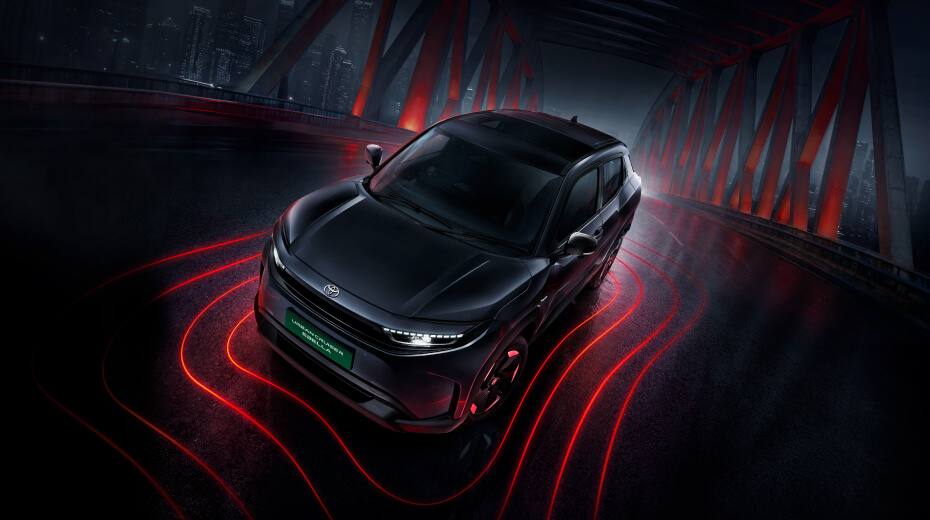
Visit the official Toyota India website.
Also read about the EV Charging problems in India.
Higher Initial Purchase Cost
- EVs cost more than petrol equivalents
- Battery technology adds significant cost
- Even with subsidies, upfront price is higher
This affects affordability directly.
Charging Setup Cost
- Home charger installation cost
- Electrical upgrades may be required
- Wiring and infrastructure expenses
These are one-time costs, but often overlooked.
Public Charging Expenses
- Higher cost compared to home charging
- Variable pricing
- Fast charging often more expensive
This impacts long-term savings.
Battery Degradation Concerns
- Battery performance reduces over time
- Replacement cost is high
- Warranty covers limited duration
While not immediate, this is a long-term consideration.
Insurance Costs
- EV insurance can be slightly higher
- Battery replacement coverage impacts premium
Opportunity Cost
- Higher initial investment
- Money could be used elsewhere
This is rarely discussed but important.
Best Elecric Cars:
India’s electric car market has grown quickly, and buyers today have options across budgets—from compact city EVs to premium long-range SUVs. Here’s a clean, human-friendly list of some of the best electric cars currently available in India.
The Tata Nexon EV continues to be one of the most sensible choices for Indian buyers. It offers a strong mix of range, practicality, and pricing, making it ideal for both city use and occasional highway drives. Close behind is the Tata Punch EV, which is perfect for urban commuters who want a compact yet rugged-feeling electric car.
If you want something more premium without going overboard, the MG ZS EV delivers a refined cabin, smooth performance, and a comfortable ride. Similarly, the Hyundai Kona Electric still holds its ground with a reliable long-range battery and proven performance, even though it has been around for a while.
For buyers looking at affordability, the Tata Tiago EV is a strong entry point into electric mobility. It’s easy to drive, low on running costs, and well-suited for daily city travel. Slightly more premium than that is the Citroen eC3, which stands out for its quirky design and comfortable suspension setup.
Moving into newer and more exciting options, the Mahindra XUV400 EV offers strong performance and a spacious cabin, appealing to buyers who want a sportier feel. Meanwhile, the BYD Atto 3 brings a more global, tech-heavy experience with a high-quality interior and impressive range.
At the premium end, cars like the Kia EV6 and Hyundai Ioniq 5 redefine what EVs can feel like. They offer futuristic design, ultra-fast charging capability, and long-distance comfort that rivals luxury petrol cars.
Finally, for those who want luxury with zero emissions, brands like BMW and Mercedes-Benz offer models such as the BMW i4 and Mercedes-Benz EQB, blending performance with high-end features.
Overall, the best electric car in India really depends on your budget and usage. Whether it’s a budget-friendly city hatchback or a premium long-range cruiser, there’s now an EV for almost every kind of buyer.
FAQs
Q1. Which is best budget EV?
Tata Tiago EV.
Q2. Can budget EVs do highway trips?
Limited capability.
Q3. Are they reliable?
Yes, for city use.
Q4. Are they worth buying?
Yes, for specific use cases.
Final Verdict
Electric cars do offer lower running costs, but they are not universally cheaper in every situation. The total cost of ownership depends heavily on usage patterns, charging access, and long-term planning.
Buyers who understand the full cost structure benefit the most. Those who focus only on fuel savings may feel disappointed later.
Author: Manav Akbari
