
Renault Kwid facelift 2026 India
Renault Kwid Facelift 2026 India: Can A Bigger Screen Save India’s Cheapest Hatchback
The Renault Kwid facelift 2026 India launch lands on July 3, and the timing tells you more than the spec sheet does. Renault is refreshing a car in a segment that has been shrinking every single year since 2019, while every other manufacturer chases compact SUVs. The question worth asking isn’t what’s new on the Kwid. It’s whether a new face and a bigger screen can actually justify keeping this segment alive.
More from us: Hyundai Venue Sales Growth 2026: The Real Reason Behind The 56 Percent Jump
What’s Changing In The 2026 Kwid Facelift
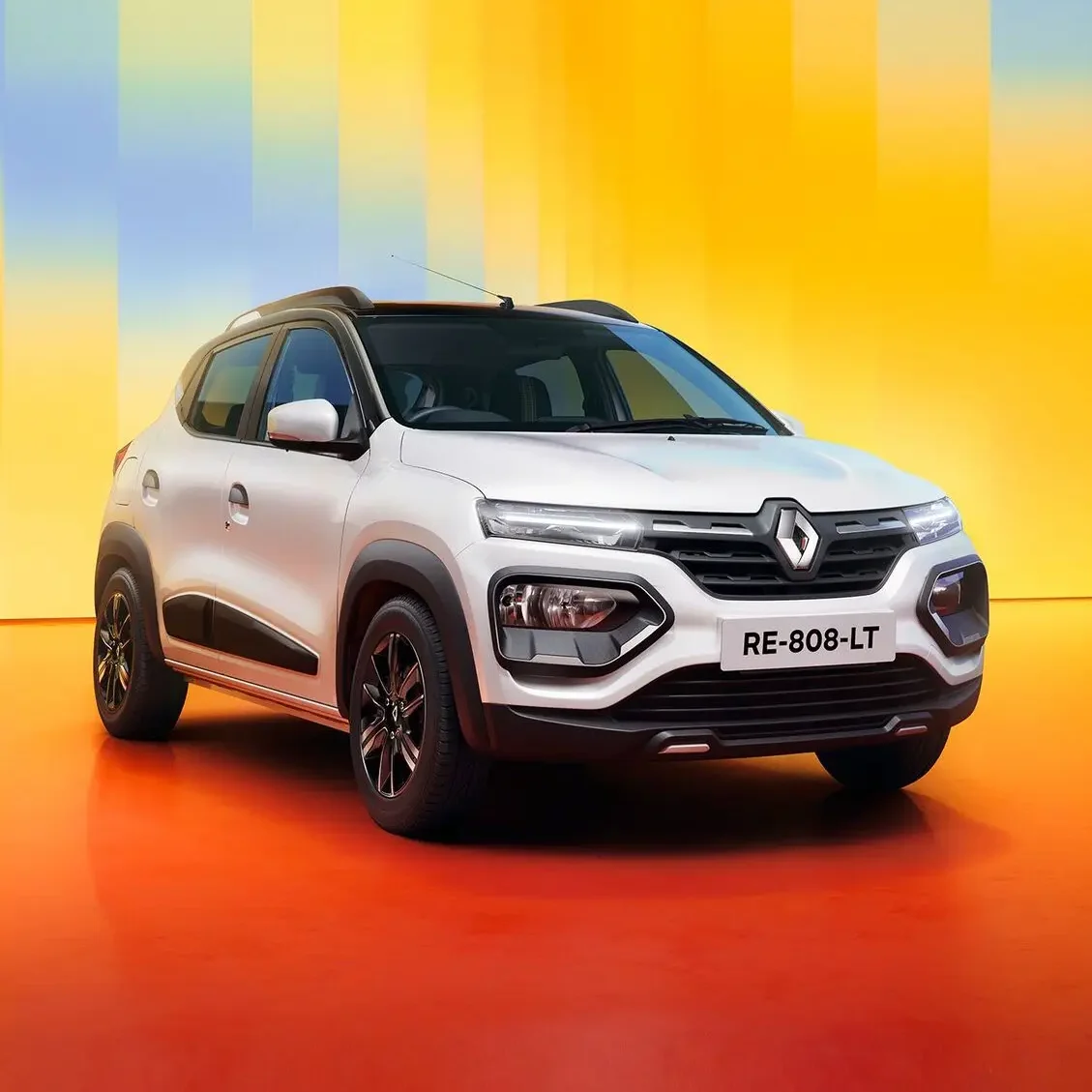
The updated Kwid gets a heavily reworked front end inspired by the Dacia Spring EV sold internationally, with new Y-shaped LED daytime running lights replacing the older rounded look, flatter body creases, and a sharper, more European-styled bumper. Inside, the bigger story is a new 10.1-inch touchscreen borrowed from Renault’s newer models, wireless Apple CarPlay and Android Auto, a redesigned dashboard, and a digital instrument cluster. Mechanically, nothing changes. The same 1.0-litre, three-cylinder petrol engine producing around 67 bhp and 91 Nm continues, paired with a 5-speed manual or 5-speed AMT. Expected pricing sits between ₹4.80 lakh and ₹5.50 lakh, a modest step up from the outgoing car. The car will also reportedly gain six airbags as standard, a meaningful safety addition for a segment where basic variants have historically shipped with just two.
The Segment Renault Is Betting On Is Shrinking
Here’s the part most coverage is skipping. The entry-level hatchback segment, the Kwid’s home turf alongside the Alto K10, S-Presso, and Celerio, has been losing buyers steadily to compact SUVs like the Tata Punch and Nexon, which now start at similar EMIs once financing is stretched a little. Buyers who would have bought a Kwid five years ago are increasingly choosing a used compact SUV or stretching their budget for a Punch instead. A cosmetic and cabin refresh doesn’t change that underlying shift. It buys Renault time, not a turnaround.
Why The Bigger Screen Actually Matters Here
That said, dismissing this update entirely misses something real. The Kwid’s original strength was that it felt like a bigger, more feature-rich car than its price suggested, and Renault is doubling down on exactly that with the 10.1-inch screen and revised cabin. For a genuine first-time buyer in a Tier 2 or Tier 3 city, someone cross-shopping a used hatchback against a new Kwid on a tight budget, this update makes the Kwid look and feel significantly more current without pushing the price into compact SUV territory. That’s the buyer this facelift is actually built for, not the SUV-curious urban shopper the market has been chasing.
Kwid vs Alto K10: The Real Comparison Buyers Will Make
Against the Maruti Alto K10, the Kwid’s biggest rival, the facelift gives Renault a genuine edge on cabin tech and screen size, something the Alto K10 still lacks at a comparable price. But Maruti’s service network and resale value remain the Alto’s trump cards in smaller towns, where a Maruti service centre is almost always closer than a Renault one. If you’re deciding between the two purely on features, the updated Kwid wins. If you’re deciding based on five-year ownership cost and resale, the Alto K10 still has the edge. Fuel efficiency is roughly comparable between the two, so that particular factor is unlikely to sway the decision either way.
What This Means For Indian Buyers
If you’re a first-time buyer with a budget around ₹5 lakh and you actually want touchscreen tech and a modern cabin at that price, the Kwid facelift becomes genuinely worth cross-shopping against the Alto K10 and Celerio. If you were considering stretching your budget for a used compact SUV instead, this update doesn’t change that math, it’s still a hatchback competing against a segment shift, not against those specific rivals. Buyers in smaller towns and cities, where the entry-level hatchback still has a genuine audience of first-time owners rather than SUV upgraders, are the ones who stand to benefit most from this refresh.
Final Verdict
The Renault Kwid facelift 2026 India is a smart, focused update for the buyer it’s actually targeting, the genuine first-time car owner on a tight budget who wants more tech than the price usually allows. It isn’t going to pull SUV-curious buyers back into hatchbacks, and it was never going to. Buy it if cabin features and a modern touchscreen matter more to you than badge value and resale, wait for a discount if you’re comparing it strictly against the Alto K10 on total cost of ownership.
Frequently Asked Questions
When is the Renault Kwid facelift 2026 India launching?
The Renault Kwid facelift is officially scheduled to launch in India on July 3, 2026.
What is the expected price of the Renault Kwid facelift?
The facelift is expected to be priced between ₹4.80 lakh and ₹5.50 lakh ex-showroom, slightly higher than the outgoing model.
Does the Kwid facelift get a new engine?
No, it continues with the existing 1.0-litre, three-cylinder naturally aspirated petrol engine producing around 67 bhp, paired with a 5-speed manual or 5-speed AMT gearbox.
Is the Renault Kwid facelift better than the Maruti Alto K10?
On features and cabin tech, yes, the Kwid facelift’s 10.1-inch touchscreen and updated cabin beat the Alto K10. On resale value and service network reach, the Alto K10 still has the advantage, especially outside major cities.
– Manav Akbari, TheWheelFeed
