
Here is all the essential info you need on the safety parameters provided in EVs. EV Safety Ranking in India 2026
Also read about Renault Duster vs Kia Seltos.
EV Safety Ranking in India 2026:
Electric vehicles in India are steadily reshaping the conversation around automotive safety, not just by reducing emissions but by introducing a fundamentally different architecture that often enhances occupant protection in subtle yet meaningful ways. Unlike traditional internal combustion engine vehicles, EVs are built on dedicated platforms where the absence of a bulky engine block allows for better crumple zones and structural optimization. This often translates into improved impact absorption during collisions, especially in frontal crashes. Additionally, the low placement of heavy battery packs beneath the floor lowers the center of gravity, significantly reducing the chances of rollovers, an important safety advantage on Indian roads, where unpredictable driving conditions and varied terrain are common. As a result, EVs inherently offer a more planted and stable driving experience, contributing to both active and passive safety.
At the same time, the safety of EVs in India extends beyond just structural benefits to include advanced electronic systems and battery management technologies that are designed to prevent and mitigate risks. Modern electric cars come equipped with high-voltage battery packs that are rigorously tested against water ingress, fire hazards, and mechanical damage. Indian manufacturers, along with global brands, are increasingly adopting international safety standards while also complying with local regulations, ensuring that vehicles can withstand extreme heat, monsoons, and rough usage conditions. Features such as thermal management systems, automatic power cut-offs during accidents, and reinforced battery casings are becoming standard. While concerns about battery fires have been highlighted in the past, the industry has responded with improved cell chemistry, better cooling mechanisms, and stricter quality control, making newer EVs considerably safer than earlier iterations.
Visit the official Tata India website.
However, the real story of EV safety in India lies in the balance between innovation and adaptation. As the market grows, manufacturers are not only focusing on protecting passengers but also on safeguarding pedestrians and first responders. Silent operation, for example, has led to the introduction of artificial sound systems at low speeds to alert pedestrians. Meanwhile, emergency response protocols for EVs are evolving, with better training and awareness about handling high-voltage systems after accidents. When compared to conventional vehicles, EVs bring a mix of advantages and new challenges, but the trajectory is clearly toward safer mobility. As infrastructure, regulations, and technology continue to mature, EVs are likely to set new benchmarks for safety standards in the Indian automotive landscape.
Safety parameters comparison:
- Structural Design
- EVs: Dedicated platforms allow better weight distribution and stronger crash structures.
- ICE Vehicles: Engine placement can limit crumple zone efficiency.
- Center of Gravity
- EVs: Lower center of gravity due to battery placement reduces rollover risk.
- ICE Vehicles: Higher center of gravity increases instability in certain conditions.
- Fire Risk
- EVs: Battery fires are rare but can be intense; modern systems include thermal protection.
- ICE Vehicles: Fuel-related fires are more common but generally easier to control.
- Advanced Safety Tech
- EVs: Often come with modern ADAS features, battery monitoring, and software-based safety controls.
- ICE Vehicles: Safety tech varies widely depending on segment and pricing.
- Maintenance-Related Safety
- EVs: Fewer moving parts reduce chances of mechanical failure.
- ICE Vehicles: More components increase maintenance complexity and potential failure points.
- Water and Weather Resistance
- EVs: Designed with sealed battery packs for monsoon resilience.
- ICE Vehicles: Generally robust, but water ingress can damage engines.
- Pedestrian Safety
- EVs: Require artificial sound systems due to silent operation.
- ICE Vehicles: Engine noise naturally alerts pedestrians.
- Post-Accident Handling
- EVs: Require specialized handling due to high-voltage systems.
- ICE Vehicles: Easier for conventional emergency response teams to manage.
Overall, EVs in India are not just matching traditional vehicles in safety, they are gradually redefining what safety means in a modern, technology-driven mobility ecosystem.
Safety rankings:
When evaluating the safety of electric vehicles in India, a clear pattern emerges where newer models, especially those tested under Bharat NCAP, stand out with stronger crash protection and advanced safety engineering. The focus is no longer just on electrification, but on building vehicles that can match or exceed global safety expectations. Among the current lineup, certain EVs distinguish themselves with top-tier ratings, better structural integrity, and comprehensive safety features, while others still trail due to limited testing or fewer protective technologies. This creates a noticeable ranking from the safest, well-tested models to those still evolving in terms of safety performance.
Safety Ranking of EVs in India:
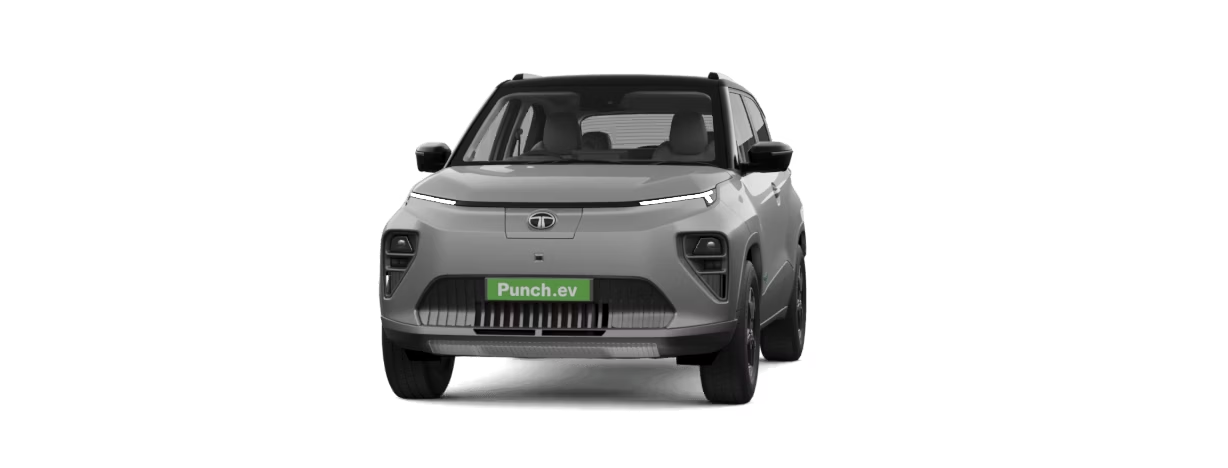
- Tata Punch EV
Positioned at the top, this EV has achieved one of the highest safety scores in Bharat NCAP testing. Its strong body structure, combined with modern safety features, makes it a standout in its segment. - Tata Curvv EV
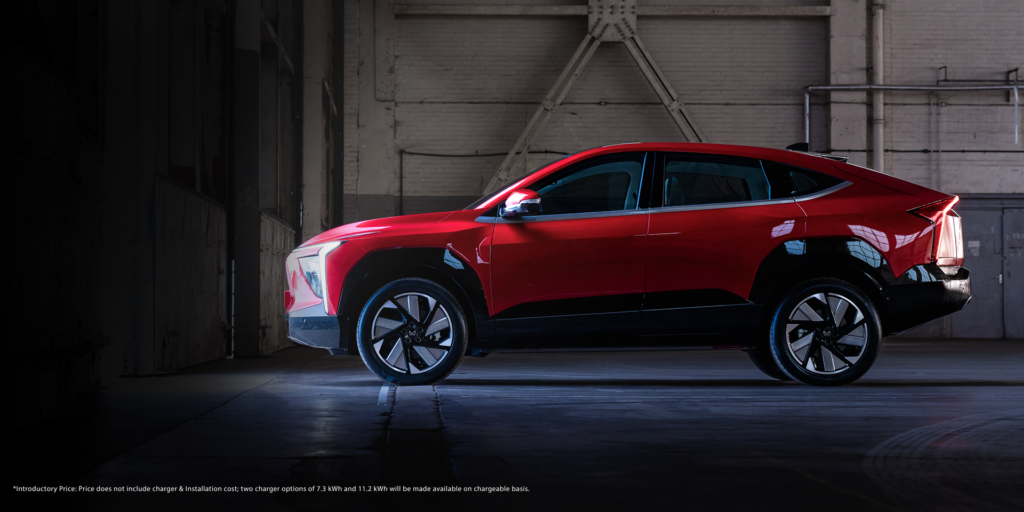
A newer entrant with impressive crash test performance, offering excellent protection for both adult and child occupants along with a robust build quality. - Tata Nexon EV
One of the most established electric SUVs in India, known for consistently high safety ratings, reliable crash protection, and a well-rounded safety package. - Mahindra XUV400 EV
Offers solid safety fundamentals with a sturdy platform, though it slightly trails the top performers in terms of tested ratings and feature depth. - MG ZS EV
Equipped with multiple advanced safety features and driver assistance systems, but lacks a recent India-specific crash test rating to rank higher. - Citroën eC3
Positioned lower due to its basic safety setup and absence of strong crash test credentials compared to rivals.
Overall, the Indian EV market is rapidly moving toward safer vehicles, with manufacturers prioritizing crashworthiness, electronic safety systems, and battery protection as key selling points.
Stay tuned and follow up for more.
