
Petrol vs CNG vs EV in 2026
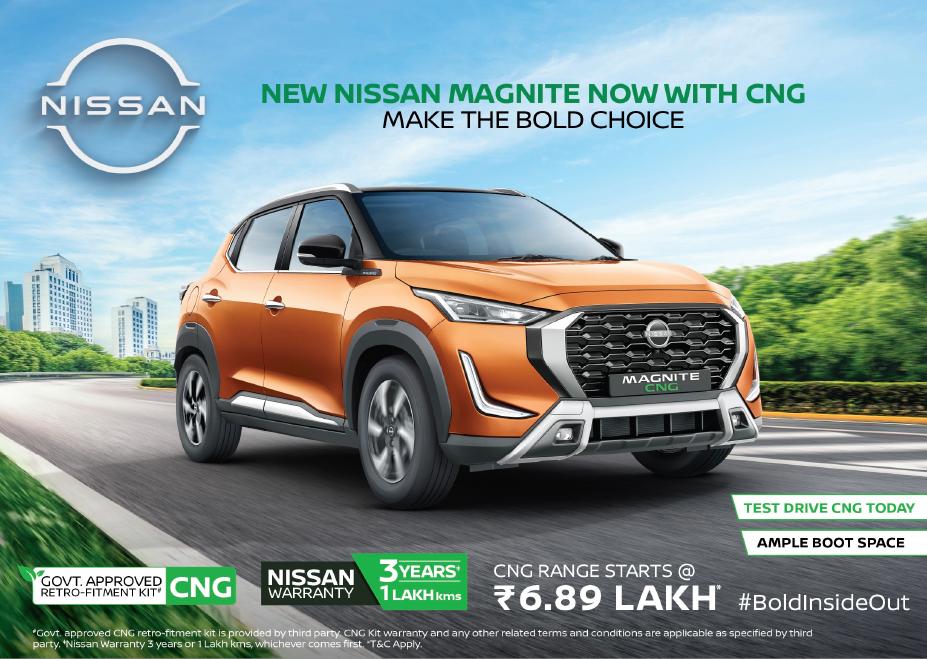
Choosing the right fuel type in 2026 has become one of the most critical decisions for Indian car buyers. It is no longer just about the car you purchase, but the long-term financial and practical implications of how you run it.
For years, petrol remained the default option, offering convenience and widespread accessibility. However, rising fuel prices, increasing urban usage, and stricter emission norms have pushed buyers to seriously consider alternatives like CNG and electric vehicles.
What makes this decision complex is that each fuel type caters to a different usage pattern. A high-mileage daily commuter will benefit from a completely different setup compared to a weekend driver. This is why surface-level comparisons often fail to provide clarity.
To make an informed decision, it is essential to evaluate each option based on real-world cost, ownership experience, and long-term value rather than just upfront pricing.
Also read about the Toyota Ebella vs Maruti e Vitara.
Running Cost Per Kilometer — The Core Financial Factor
Running cost is the single most influential factor in long-term ownership.
- Petrol vehicles typically cost between ₹6 to ₹8 per kilometer depending on driving conditions and efficiency
- CNG vehicles reduce this significantly to approximately ₹3 to ₹4 per kilometer
- Electric vehicles offer the lowest cost, usually between ₹1 to ₹2 per kilometer when charged at home
For a user driving around 1,000 kilometers per month, the difference between petrol and electric can translate into annual savings exceeding ₹50,000.
However, focusing purely on running cost without considering other ownership factors can lead to an incomplete conclusion.
Upfront Cost — The Initial Investment Barrier
The purchase price plays a decisive role, especially in the budget-sensitive Indian market.
- Petrol cars have the lowest entry price and widest availability
- CNG variants are priced slightly higher due to additional components
- Electric vehicles carry a premium, often ranging between ₹2 to ₹5 lakh more than comparable petrol models
This higher initial investment is the primary reason why EV adoption, although growing, is still gradual.
Maintenance and Service Costs
Maintenance requirements differ significantly across fuel types.
- Petrol cars have predictable and moderate servicing costs
- CNG cars require additional checks, including periodic inspection of the cylinder and related components
- Electric vehicles have minimal maintenance needs due to fewer moving parts and the absence of a conventional engine
Over a long ownership cycle, EVs tend to offer noticeable savings in servicing and repairs.
Practicality and Everyday Usability
Daily usability often matters more than theoretical savings.
Petrol Cars
- Refueling is quick and universally accessible
- No dependency on infrastructure
- Suitable for all usage patterns
CNG Cars
- Boot space is compromised due to cylinder placement
- Refueling infrastructure is improving but still inconsistent in some areas
- Performance is slightly lower compared to petrol
Electric Vehicles
- Charging infrastructure is still evolving
- Best suited for predictable urban usage
- Requires planning for long-distance travel
For buyers who prioritize convenience and flexibility, petrol continues to be the most straightforward option.
Long-Term Ownership Economics
When evaluated over a five to seven-year period, the cost dynamics change significantly.
- Petrol cars become expensive due to higher fuel consumption costs
- CNG cars strike a balance between savings and usability compromises
- Electric vehicles offset their higher purchase price through significantly lower running and maintenance expenses
For high-usage drivers, EVs can achieve cost parity within a few years and deliver long-term savings thereafter.
Environmental and Regulatory Considerations
Environmental impact is becoming an increasingly important factor in vehicle ownership.
- Petrol vehicles produce higher emissions
- CNG offers a cleaner alternative but is not emission-free
- Electric vehicles provide zero tailpipe emissions and align with future mobility trends
Government policies and urban regulations are gradually shifting in favor of cleaner fuel options, which may influence resale value and long-term viability.
Which Fuel Type Should You Choose?
The ideal choice depends entirely on your usage pattern and priorities.
- Choose petrol if:
- Your usage is low or unpredictable
- You want maximum convenience without infrastructure dependency
- You prefer a lower upfront investment
- Choose CNG if:
- You have high daily city usage
- Reducing running cost is a priority
- You can manage compromises in space and performance
- Choose EV if:
- Your monthly driving is high and consistent
- You primarily operate within city limits
- You have access to home charging infrastructure
FAQs
Q1. Which fuel type is the most cost-effective in 2026?
Electric vehicles offer the lowest running cost, followed by CNG, while petrol remains the most expensive to run.
Q2. Is CNG still a practical choice in India?
Yes, especially for urban users, although it comes with compromises in space and refueling convenience.
Q3. Are EVs suitable for long-distance travel?
They can be used for long trips, but require careful planning due to charging infrastructure limitations.
Q4. Which fuel type is best for occasional drivers?
Petrol vehicles are the most practical option for users with low or irregular usage.
Final Verdict
There is no universally “best” fuel type in 2026, only the one that best aligns with your usage and financial priorities.
Petrol continues to dominate in terms of convenience and accessibility, making it ideal for occasional and mixed-use buyers. CNG offers a strong cost advantage for city users willing to compromise on space and performance. Electric vehicles, however, stand out as the most future-ready option, delivering the lowest long-term cost of ownership for high-usage urban drivers.
From a purely analytical standpoint, EVs represent the strongest long-term value proposition, but the right decision ultimately depends on how and where you use your car.
Author: Manav Akbari
